
Last updated November 15, 2026
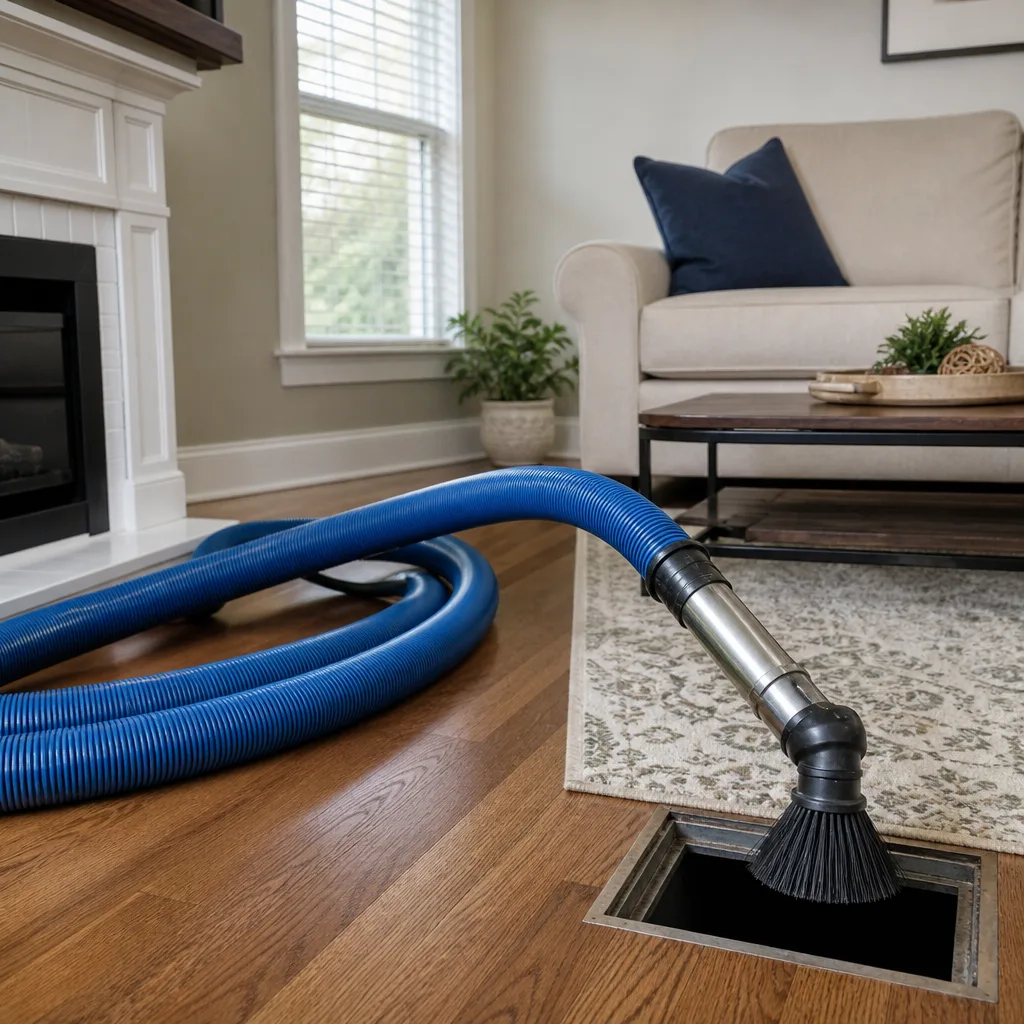 Whole-home duct cleaning
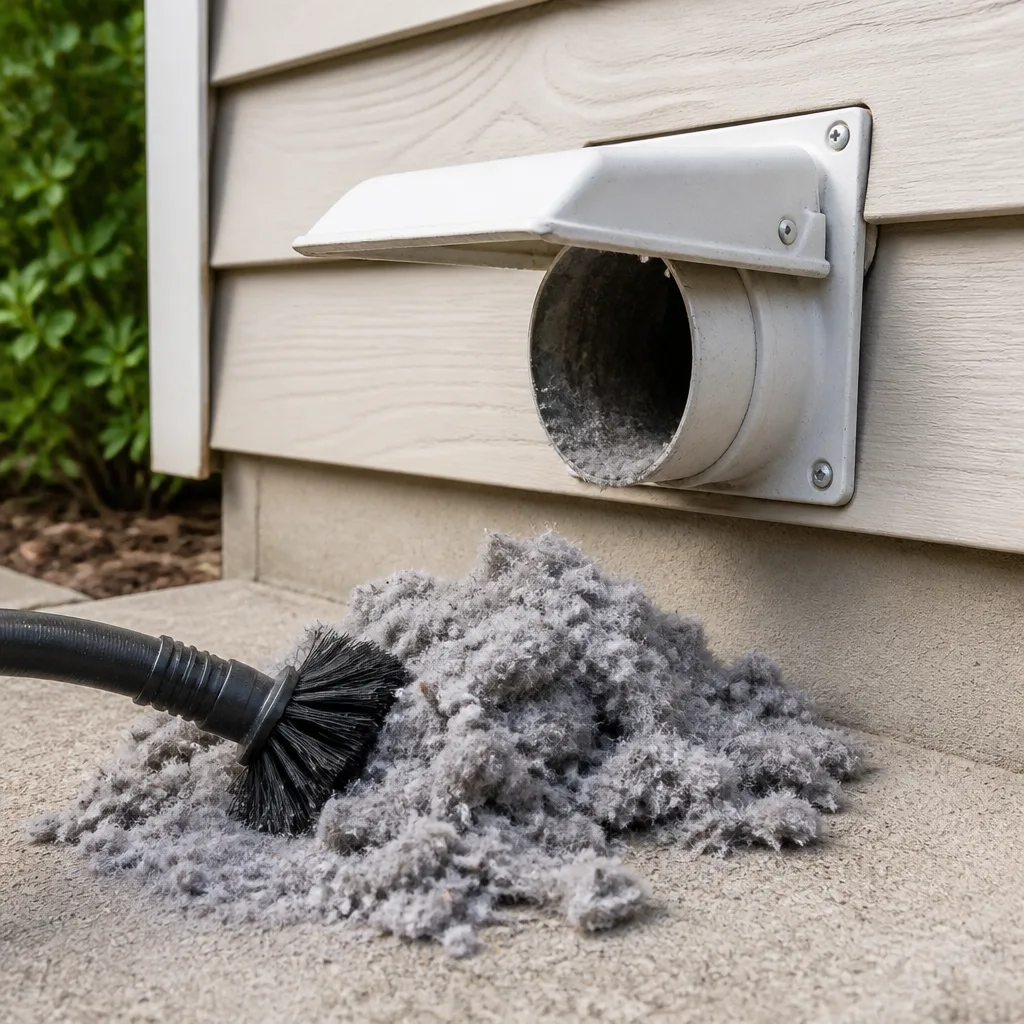 Dryer vent cleaning
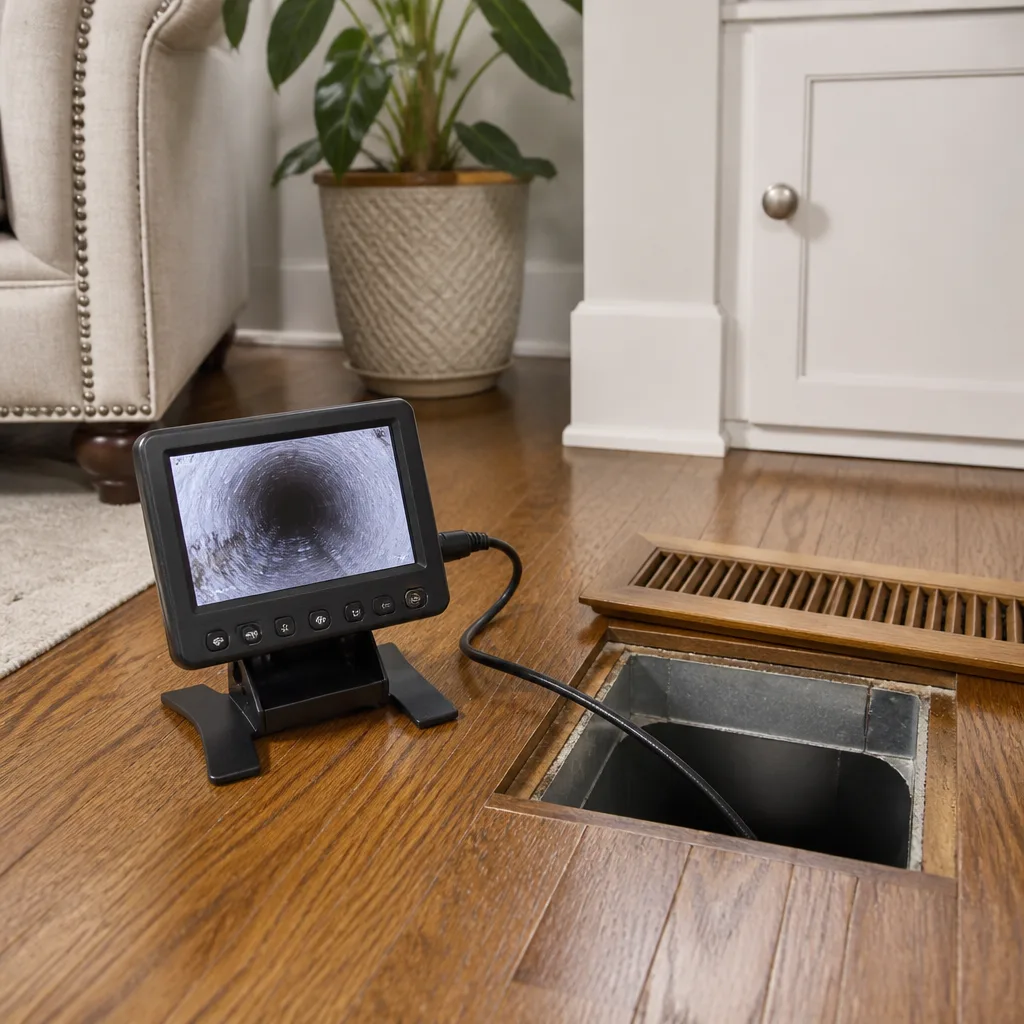 Camera inspection
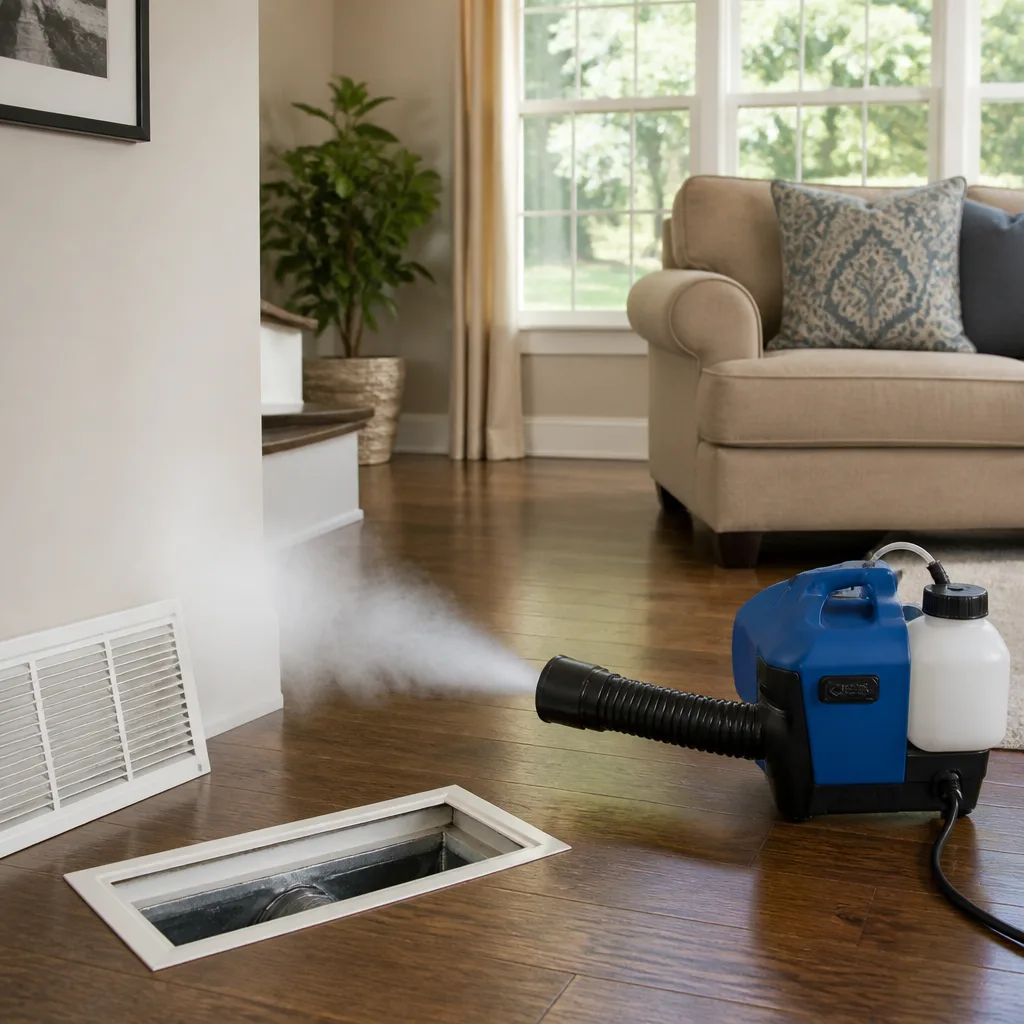 Sanitizing & deodorizing
Whole-system duct and dryer vent check with before-and-after photos - you see exactly what came out of your vents
That "$99 whole-house special" is a bait ad - the real number appears once they are in your hallway, or the "clean" is a shop-vac at the register. We photograph the inside of your ducts before and after instead.
DIY vs Professional Air Duct Cleaning: The Fort Wayne Homeowner’s Decision Guide
You can clean the first 18 inches of a supply register with a shop vac and a dryer vent brush. What you can’t do with that setup is pull debris out of 150 linear feet of trunk line and flex runs, because extracting it requires a machine that holds continuous negative pressure across the whole system. That’s the real fork in the DIY versus professional question in Fort Wayne: not willingness, but equipment capability. Most homeowners never get told this, so they buy a brush kit, work a register or two, and assume the rest of the ductwork is fine. This guide explains what negative pressure actually does, what you can safely do yourself, where DIY can make things worse in older Fort Wayne homes, and how the honest cost comparison lines up.
Quick Answer
Professional air duct cleaning is worth it when your system has visible debris beyond the registers, flex duct that’s older or loosely connected, post-renovation dust, or a mold or pest concern. DIY is reasonable for register covers, grille washing, and inspecting accessible flex near the air handler. Consumer vacuums and shop vacs move air, but they can’t sustain the pressure needed to extract debris from a full duct run, so the middle ground most Fort Wayne homeowners land on is a professional clean plus their own upkeep between visits.
Styles & brands we work with
- Whole-home duct cleaning
- Dryer vent cleaning
- Camera inspection
- Sanitizing & deodorizing
Table of Contents
- What Negative Pressure Actually Does in a Duct System
- The CFM Threshold: Extract vs. Displace
- What You Can Legitimately Do Yourself
- Why DIY on Older Fort Wayne Homes Can Create Leakage
- When Professional Service Isn’t Optional
- The Honest Cost Comparison
- How a Professional Full-System Clean Works
- Equipment You Can Verify Before Booking
What Negative Pressure Actually Does in a Duct System
A duct system is an enclosed network with a lot of surface area. Dust, pet hair, drywall grit, and lint settle on the inside walls of the trunk line and each branch run, and they cling through a mix of static and moisture. To remove that debris rather than just stir it, you have to put the whole system under negative pressure, meaning the pressure inside the ducts is lower than the pressure in the room. Air then rushes in through the return and any open register, carrying loose material with it toward the collection point instead of pushing it out into the living space.
That’s the piece most DIY attempts miss. A shop vac creates negative pressure, but only right at its nozzle, and only for a few cubic feet per minute. Once you insert a brush into a 6-inch branch run, the seal is broken, the vacuum’s effect drops off, and you’re mostly agitating dust that then drifts back through the register. In a house with a long trunk line and multiple takeoffs, the vacuum’s suction essentially disappears past the first turn. This is why a shop vac can clean a register boot but can’t clean a system.
Professional equipment works differently. A truck-mounted or high-capacity portable unit like the Rotobrush or Nikro systems our technicians use is connected to the main trunk at an access point, and a compressor line or rotary brush travels the length of each run from inside. The vacuum holds the whole system under negative pressure while the agitation tool loosens debris, so material moves toward the collection unit rather than back into the room. For a full clean through air duct cleaning in Fort Wayne, that combination of pressure and mechanical agitation is the difference between removing debris and redistributing it.
If your home has a zoned system or a heat pump with a large return plenum, that setup matters even more, because there are more paths for debris to travel before it reaches the collection point. A technician measures and controls pressure at each access point, working from the farthest register back toward the unit so nothing gets pushed into a branch you’ve already cleaned.
The CFM Threshold: Extract vs. Displace
CFM, or cubic feet per minute, is the measure of how much air a machine can move. A shop vac in good condition pulls somewhere in the low hundreds of CFM at the nozzle, and that number drops sharply the moment you attach a hose and insert it into a duct. Consumer-grade duct cleaning kits sold at hardware stores are built around these machines, so their real capacity is a fraction of what a full trunk line requires.
Professional duct cleaning equipment is designed to sustain 4,000+ CFM of continuous negative pressure at the collection point, which is roughly an order of magnitude above what any consumer setup can reach. That’s the threshold at which air is actually moving fast enough to lift settled debris off the duct walls and carry it out, rather than just gently stirring it.
Here’s a simple way to think about the gap:
- Shop vac: Moves air at the nozzle, loses most of its pull through a hose, and can’t seal a duct system. Useful for register boots and small cleanup.
- Consumer duct kit: Adds a brush and flexible hose to a shop vac. Reaches a register and a short branch run, but not a full trunk line under sustained load.
- Professional unit (Rotobrush, Nikro): Connected at an access point, holds the whole system under continuous negative pressure while a rotary brush or air whip works each run.
We mention the equipment brands by name on purpose: it’s one of the things you can verify. If a company can’t tell you what machine will be in your home, that’s a signal to keep asking questions. Our technicians have up to 14 years of experience on these systems, which matters less than the fact that the systems themselves are built for the job.
What You Can Legitimately Do Yourself
Plenty of duct-related maintenance is safe for a homeowner, and doing it well actually extends the time between professional cleans. The line is this: anything you can reach with your hands and a cloth is fair game. Anything that requires putting a tool inside a duct and pushing air through the system is not.
Here’s what we consider reasonable DIY:
- Remove and wash register grilles. Pop each supply and return cover off, rinse it in the sink or a utility tub, dry it fully, and put it back. Do this once or twice a year, more if you have pets.
- Vacuum the register boots. With the grille off, run a shop vac nozzle around the visible metal boot just inside the wall. Stop at the point where the boot meets the flex or hard duct.
- Wipe down return air grilles and the filter slot. Dust collects around the filter frame; a damp cloth handles it.
- Inspect accessible flex visually. Near the air handler, look for kinked flex, disconnected collars, or flex that’s sagging off its support. Note what you see so you can show a technician later.
- Change the filter on schedule. This is the single highest-return thing a homeowner can do for indoor air quality. Match the filter to what your system’s blower can handle, not the highest MERV rating on the shelf.
- Keep the area around the air handler clear. Stored boxes, paint cans, and holiday bins near the unit restrict airflow and add to the debris that gets pulled into returns.
None of that requires special tools or a weekend. If you want a baseline professional clean, that’s duct cleaning in Fort Wayne, and it pairs well with the upkeep list above.
Why DIY on Older Fort Wayne Homes Can Create Leakage
A lot of Fort Wayne housing stock has flex duct that was installed decades ago, often as part of an add-on, a remodel, or a system replacement that reused existing runs. Flex duct is a plastic inner liner wrapped in insulation and a jacket, and it’s held to metal collars with zip ties, tape, or mastic. The connection points are the weak spots, and pushing a shop vac brush or a consumer duct kit through flex in an older home is exactly the move that can break them loose.
Here’s what happens when a flex connection fails. The system loses static pressure at the point of the break, which means the air handler is now pulling some of its return air from a crawlspace, attic, or wall cavity instead of the return duct. That air carries whatever the cavity carries: fiberglass particles, dust, and in some cases moisture. Ducts that were previously tight get quietly less efficient, and you may notice a register that suddenly blows weaker than the others.
We see this pattern in Fort Wayne often enough that it shapes how we work. Older homes around the 46805, 46807, and 46808 zip areas tend to have a mix of original hard duct and later flex runs, and the transitions between the two are where a DIY brush is most likely to catch and pull a collar loose. A professional full-system clean starts with an inspection of every accessible connection so that loose spots get flagged before the equipment goes in.
Structural air duct repair matters here, and it’s a service most duct cleaning companies don’t offer. If your air duct cleaning happens on a system with a broken collar or a sagging run, the clean only addresses part of the problem. Clean it, fix it, protect it is the sequence that actually improves indoor air quality.
When Professional Service Isn’t Optional
Some situations simply don’t have a DIY path. In our experience, these are the ones where calling a professional is the right answer before anything gets worse:
- Post-renovation debris. Drywall dust gets everywhere, and it’s fine enough to travel deep into a duct system within hours of a wall being cut. A shop vac can’t reach it, and running the system before it’s cleaned pulls dust into the blower cabinet and coils.
- Confirmed or suspected mold. If you see dark spots around a register, smell a musty odor when the air comes on, or found moisture in the ductwork, the system needs inspection by a technician who can treat contamination properly. Guardsman and Abatement Technologies products are part of how we handle post-clean treatment.
- Wildlife intrusion. Birds, squirrels, and mice get into ductwork through vent openings and exterior penetrations, and the debris they leave behind carries pathogens. This is not a shop vac job.
- Pre-sale inspections. A home inspection or a buyer’s question about duct condition usually needs documentation, not a homeowner’s word. A professional clean with before-and-after photos gives you something to hand over.
- Sudden airflow loss in one room. Disconnected flex, a collapsed run, or a blocked branch needs someone who can diagnose the cause and repair it, not just vacuum it.
- Post-fire or post-water-damage restoration. Soot and flood debris in ductwork require specific containment and treatment steps that go well beyond cleaning.
If any of those describe your situation in Fort Wayne, don’t run the system while you decide. Call us and describe what you’re seeing, and we’ll tell you whether it needs a visit.
The Honest Cost Comparison
Most DIY versus professional comparisons on the internet leave out half the cost of the DIY side, which is why they always look lopsided. Here’s a fuller accounting of what each path actually involves. Actual prices depend on system size and configuration, so the numbers below are typical ranges in the Fort Wayne market, and the written estimate sets the final price.
- Shop vac + brush kit: $60-$150 for equipment you already partly own. Add your time (a full afternoon) and the reasonable chance the result is a partial clean with some new flex leaks.
- Consumer duct cleaning kit rental: $50-$100 per day plus your time, and the same pressure limits as a bought kit.
- Professional full-system clean: Typically $350-$650 for a standard Fort Wayne single-family home, depending on square footage and how many runs and returns there are. Whole-system pricing, not per-vent.
- Professional clean plus duct repair: $500-$1,200+ when flex collars, disconnected runs, or sagging flex need to be reconnected or rebuilt during the visit.
- Dryer vent cleaning: Routinely $100-$200 as a dedicated service. Discounted to near-nothing as an “add-on” only if the cleaning is cursory; a proper job involves removing lint from the entire run.
The DIY comparison breaks down further when you account for what didn’t get cleaned. If a homeowner spends $80 on a kit, four hours on the work, and later pays for a professional clean anyway because the system still smells or a room still blows weak, the total cost is higher than if they’d booked the professional clean first. That’s not a knock on trying; it’s just the honest math.
We give free estimates and quote per system, not per vent, so nothing in the price changes once the technician is standing in your hallway. One flat price, agreed before work starts, and before-and-after photos of your own ducts when the job is done.
How a Professional Full-System Clean Works
A full-system clean on a Fort Wayne home follows roughly this sequence. Not every job is identical, but the shape is consistent, and knowing the steps is useful when you’re evaluating a quote from anyone.
- Inspection and setup. The technician walks the system, identifies the air handler, the trunk line, and each access point, and checks flex connections and supports. Floor protection goes down.
- Access. Where the system lacks access ports, the technician cuts and re-seals them at the supply plenum and trunk line so the equipment can connect.
- Negative pressure connection. A collection vacuum is connected at the main trunk, and register covers are removed so airflow can pull through the system cleanly.
- Agitation, start to finish. Rotary brush and compressed-air tools work each branch from the farthest register back toward the trunk, so loosened debris travels toward the collection unit and not into already-cleaned runs.
- Return and blower cabinet. The return side gets the same treatment, and the blower compartment and coil face are cleaned where accessible.
- Repair and reconnection. Any loose flex collars, disconnected runs, or damaged sections get repaired while the system is already open. This is where structural air duct repair fits in.
- Photographic documentation. Before-and-after photos of the duct interiors are taken so you can see what changed.
- Re-seal and final check. Access ports are sealed, registers reinstalled, and the system is run and checked for airflow and balance.
The whole thing usually takes a few hours depending on home size, number of runs, and whether any repair is needed. If the same visit turns up a dryer vent that’s never been cleaned, that’s a separate dedicated service, not an afterthought. Our dryer vent cleaning in Fort Wayne treats lint removal as its own job because the fire risk stops being hypothetical once the run is packed.
Equipment You Can Verify Before Booking
One of the fair frustrations with this industry is how hard it is to know what’s actually coming into your home. Any company can call itself “professional.” Fewer can tell you what machine will be on-site, what products get applied after a clean, and whether they’ll repair duct problems or just vacuum them.
Here’s what we bring and why it matters:
- Rotobrush and Nikro systems. Industry-standard professional duct cleaning equipment, the same class of machine used by commercial contractors. Not portable consumer-grade units.
- Honeywell and Aprilaire air quality products. For filtration, humidity control, and post-clean improvements that keep the system cleaner between service visits.
- Abatement Technologies and Guardsman products. Used for contamination control and post-clean treatment when a system needs more than mechanical cleaning.
- Structural duct repair capability. A licensed approach to fixing the connections and runs that cleaning alone can’t correct.
We name the equipment brands so you can check them yourself. That’s a small part of why companies should be willing to tell you, and if another Fort Wayne provider won’t, ask why.
Common Mistakes to Avoid
- Running the system while you clean. If the air handler is on while you work a register, every loose particle you disturb goes right back into circulation. Turn the system off at the thermostat first.
- Using a leaf blower on ductwork. This is a real trend online, and it’s the wrong move. It displaces debris into rooms and the blower cabinet without extracting anything; it can also blow a flex connection loose.
- Pushing a brush deep into flex duct. The brush catches on the inner liner and the collar. If a flex run has a visible kink or an old tape repair, leave it alone and let a technician look at it.
- Assuming chemical sprays from a hardware store solve a mold issue. Mold in ductwork means there’s a moisture source feeding it. Spraying without finding the source just resets the clock.
- Buying a filter that’s too restrictive for the blower. A pleated filter with a very high rating can starve a system designed for lower restriction, cutting airflow and creating the very dust problem you’re trying to solve. Match the filter to the system.
- Skipping the dryer vent because the ducts “looked fine” last year. Lint accumulates fast, and Fort Wayne homes with long vent runs run the highest risk. A dedicated dryer vent cleaning visit addresses a documented fire-safety risk directly.
- Cleaning right after a renovation without addressing the return side. Drywall dust settles in the returns first, and the blower will pull it deep into the system if the return isn’t done early in the process.
See the difference
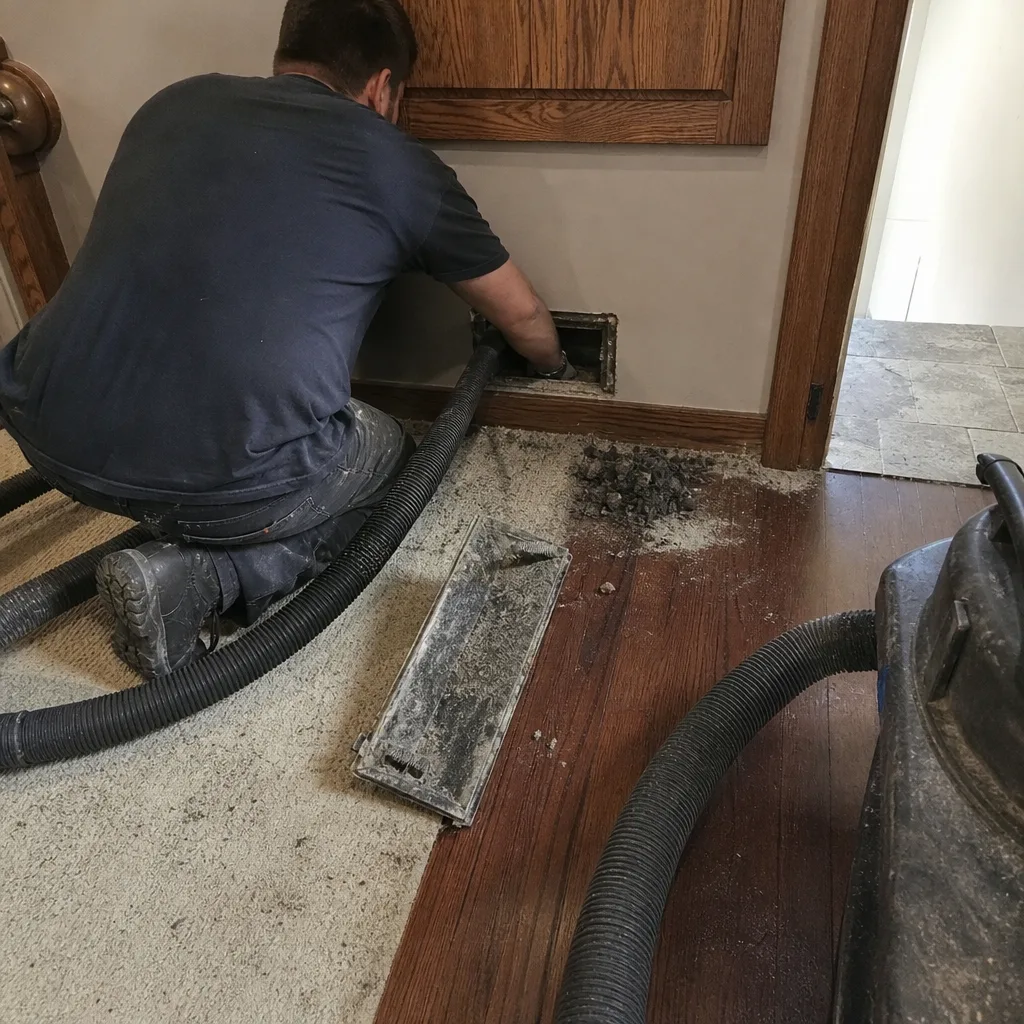 Before
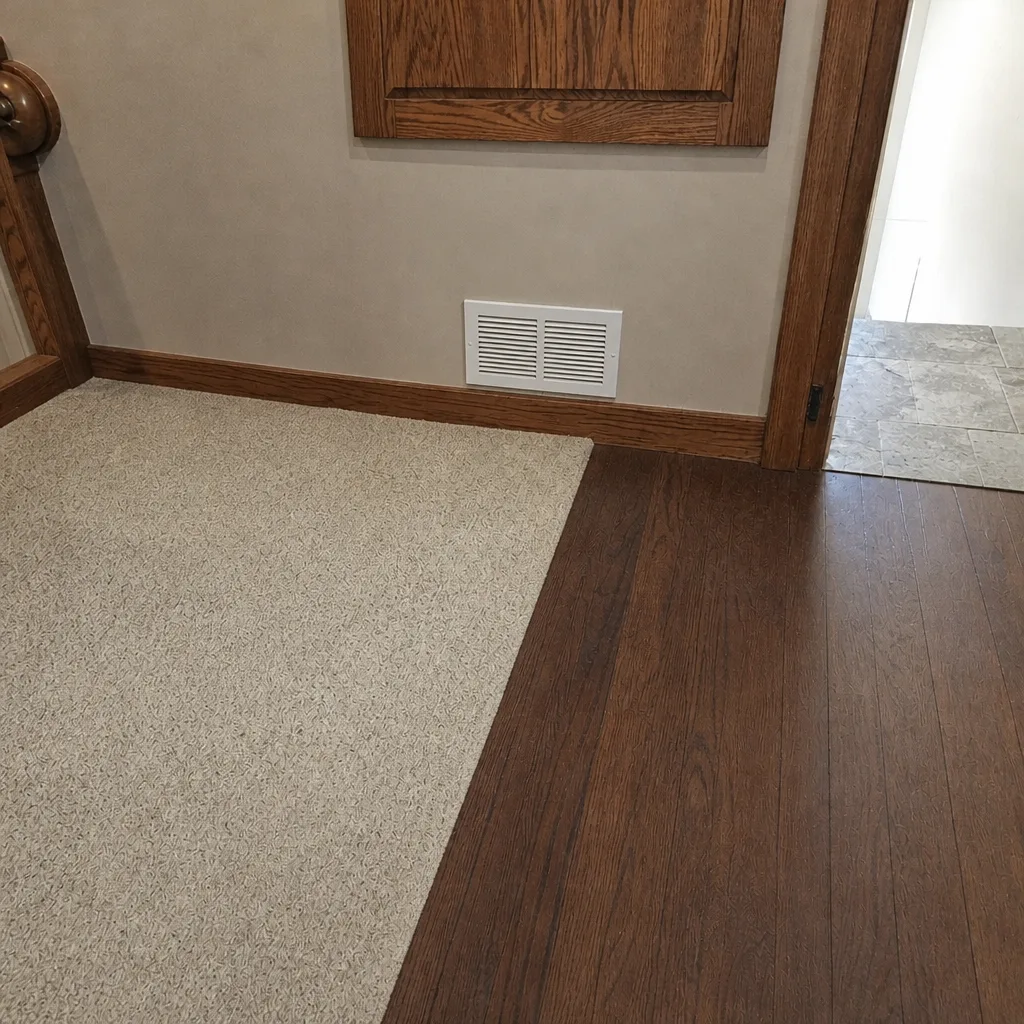 After
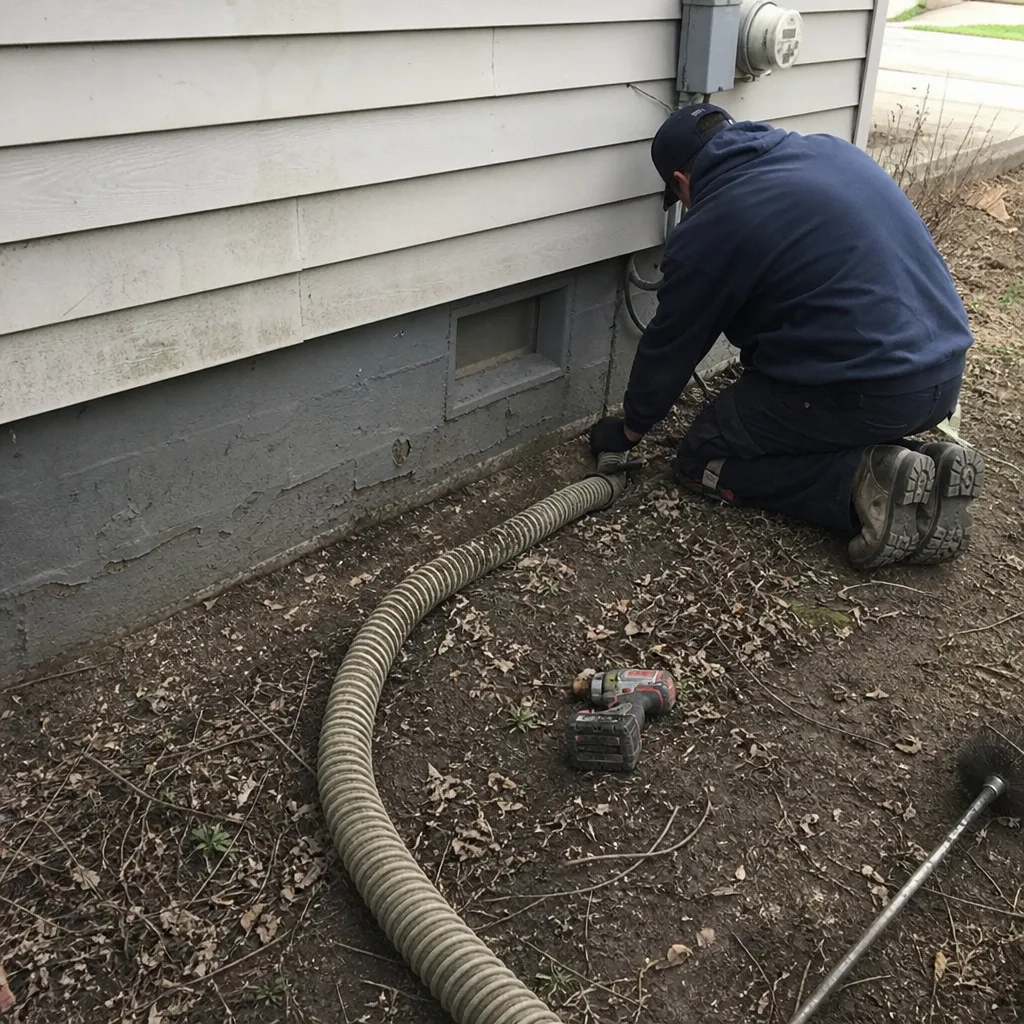 Before
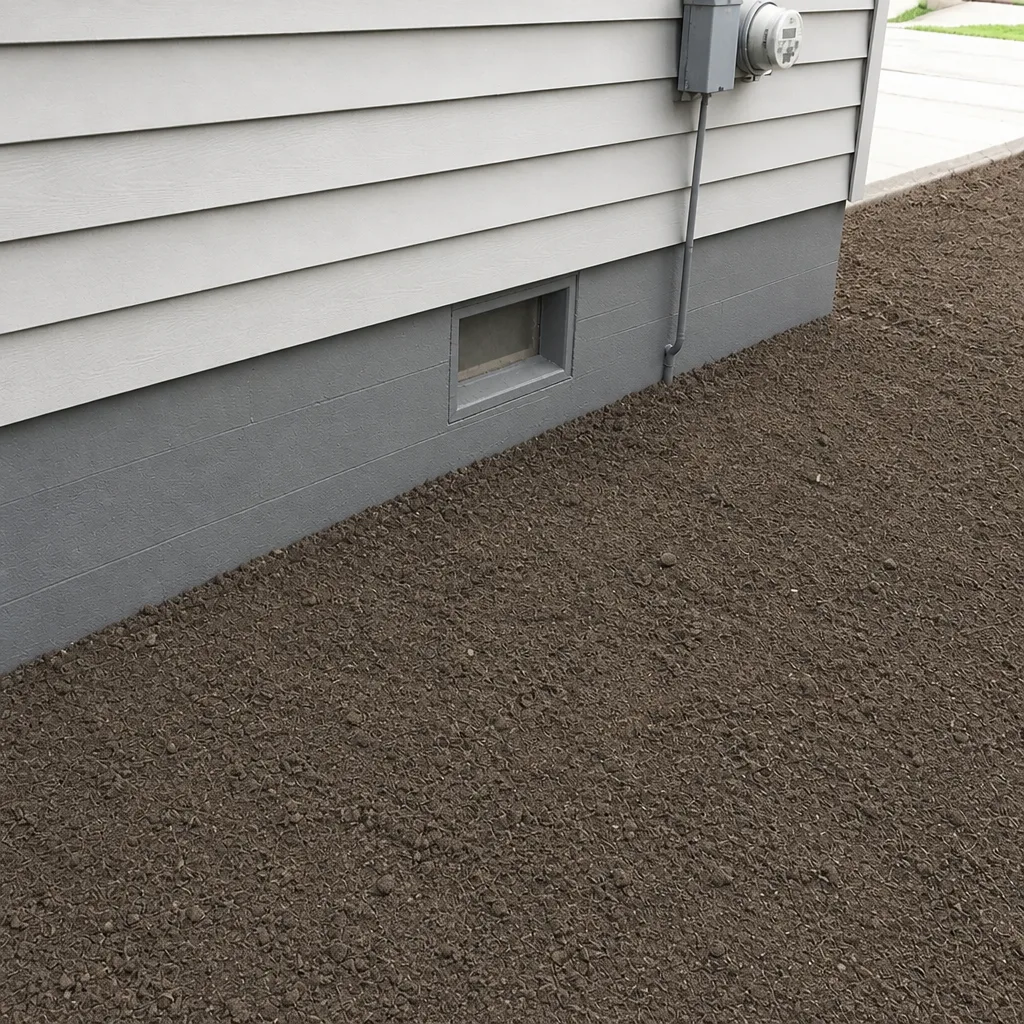 After
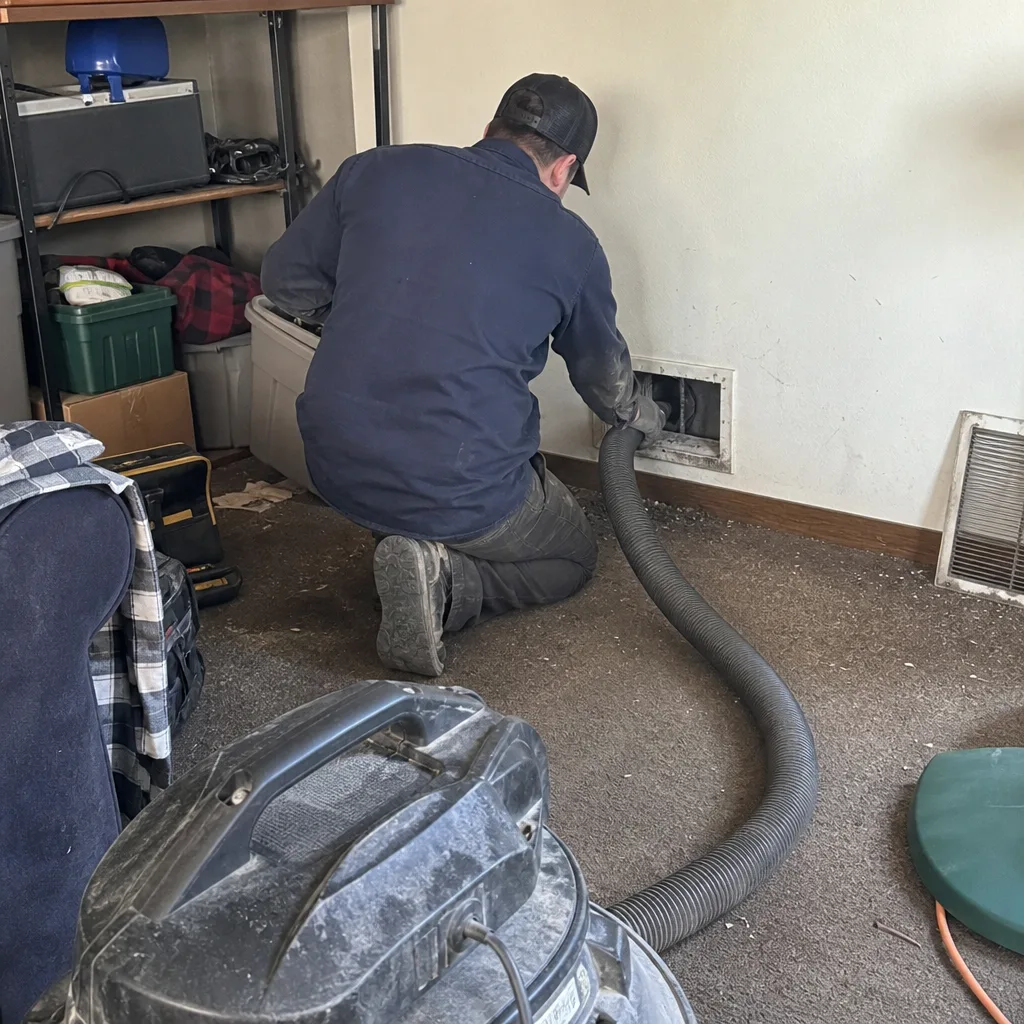 Before
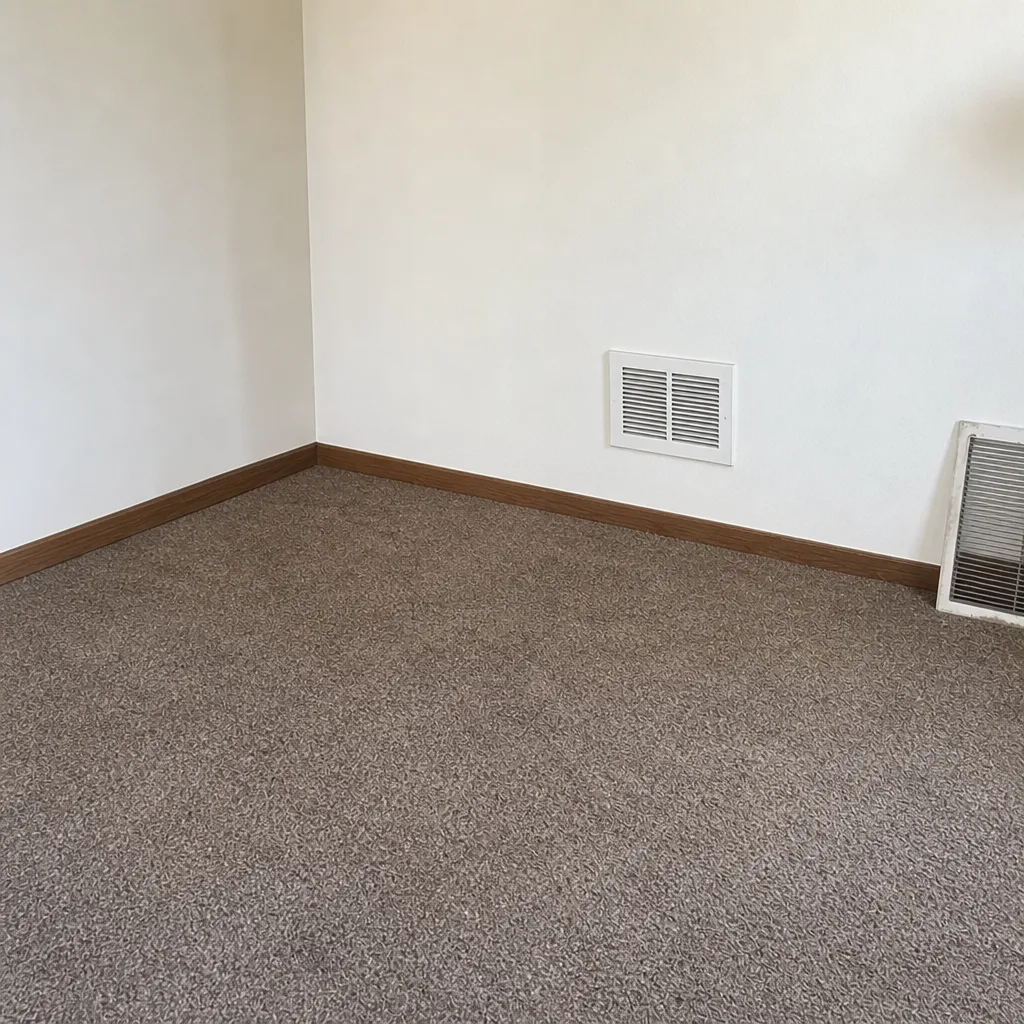 After
When to Call a Professional
You should call a professional if you’re seeing debris beyond the first few inches of a register, if one room has weaker airflow than the rest, if there’s a musty smell when the heat or AC comes on, if a renovation just finished, if the house has recently had pest activity, or if you’re preparing to sell and want documentation of the duct system’s condition. Any of those situations means a full-system clean plus inspection, not a shop vac session. In Fort Wayne, we’ve seen quite a few older flex systems where cleaning alone would have left an underlying connection problem in place, and that’s why we offer structural air duct repair alongside the clean. Duct Cleaning Fort Wayne offers free estimates in Fort Wayne. Call (844) 951-3807. We answer 24/7. Fast dispatch from 7am to 7pm, Sunday through Friday.
Frequently Asked Questions
No. A shop vac can clean register grilles, register boots, and the immediate area inside a wall or floor boot, but it can’t establish the sustained negative pressure needed to pull debris out of a full duct system. Consumer vacuums move a few hundred CFM at the nozzle and lose most of that through a hose, while professional systems run 4,000+ CFM of continuous negative pressure to extract material rather than displace it.
Typical professional air duct cleaning for a standard Fort Wayne single-family home runs $350-$650, priced for the whole system rather than per vent. Homes with more runs, multiple returns, or duct repair needs land higher. Call (844) 951-3807 for an exact quote. Estimates are free.
Very low quotes usually skip the negative pressure step, skip the return side of the system, and skip repair work on loose flex connections. The clean that results covers the registers and stops there. Our pricing is per system with one flat amount agreed before work starts, so the written estimate is what you pay and the before-and-after photos show what changed.
Ask for before-and-after photos of your own duct interiors. A real professional clean produces visible change inside the trunk and branches, and any provider that can’t produce those photos for your home has left you guessing. Transparency around equipment (Rotobrush, Nikro, and the products we use) is part of the same idea.
For most Fort Wayne homes with a pet or allergy sufferer in the household, every three to five years is a reasonable rhythm; homes without pets or allergy concerns may stretch that out. After a renovation, a moisture event, or pest activity, it should be done regardless of the calendar. The best signal is what the registers and return look like when you check them yourself.
They’re separate services and we book them separately, but yes, if the dryer vent hasn’t been cleaned in over a year, doing both in the same timeframe makes sense. Dryer vents fill with lint faster than ducts fill with dust, and the fire risk is why we treat dryer vent cleaning in Fort Wayne as its own dedicated service rather than an add-on. Call (844) 951-3807 to schedule an estimate for either or both.
The Bottom Line
The DIY versus professional question for air duct cleaning in Fort Wayne comes down to what a consumer-grade vacuum can actually do inside a duct system. It can clean registers and surface dust; it can’t hold negative pressure across 100+ feet of trunk line and branch runs. Homeowners should absolutely do the register grilles, filter changes, and visual flex inspection on their own, every time. What they shouldn’t do is push a brush through flex in an older home and assume the run stayed connected. When the debris is beyond the first foot, when airflow drops in one room, or when a renovation or moisture event has happened, the professional full-system clean with repair and post-clean treatment is the honest answer. Our technicians have up to 14 years of experience on Rotobrush and Nikro systems, and we bring those into Fort Wayne homes, name the equipment up front, and hand you before-and-after photos of your own ducts.
Call (844) 951-3807 for a free estimate. We answer 24/7. Fast dispatch from 7am to 7pm, Sunday through Friday. One flat price per system, agreed before work starts.
Written by the team at Duct Cleaning Fort Wayne.