
Last updated November 15, 2026
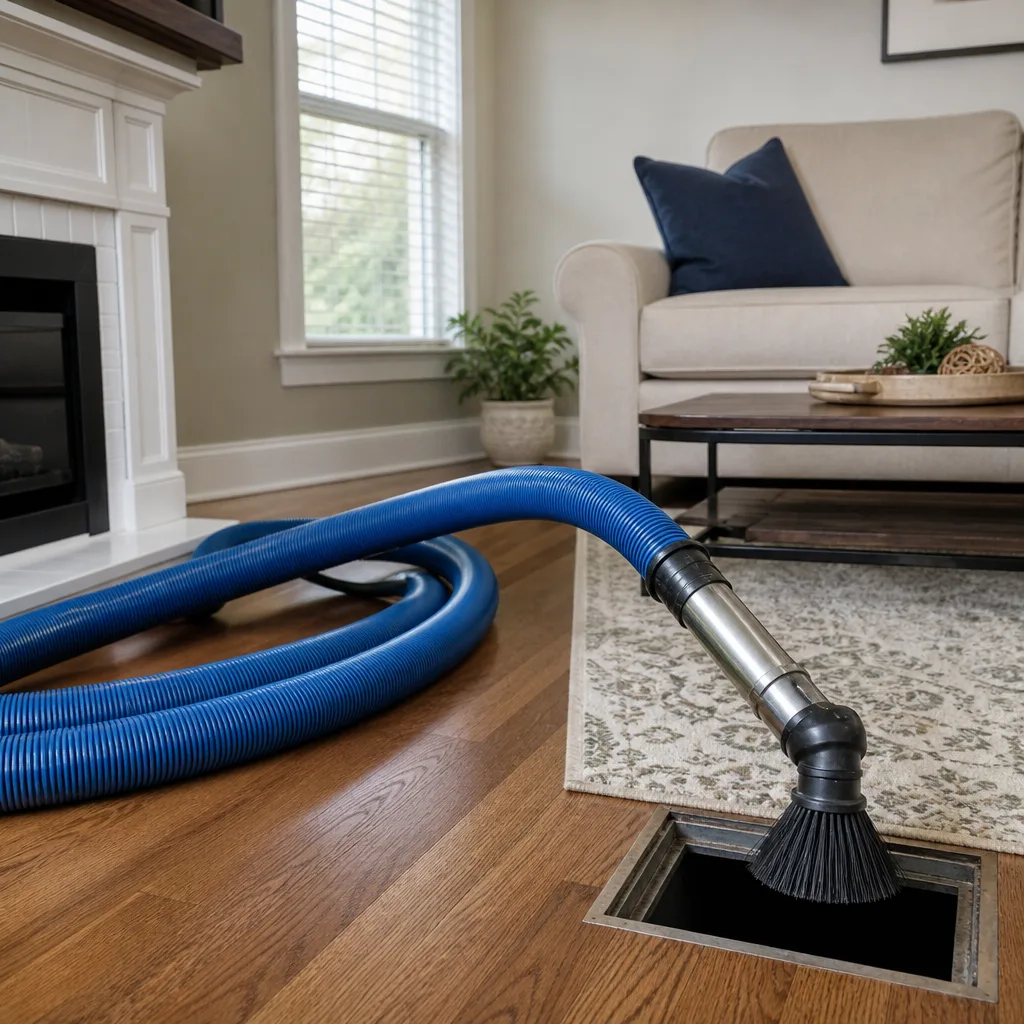 Whole-home duct cleaning
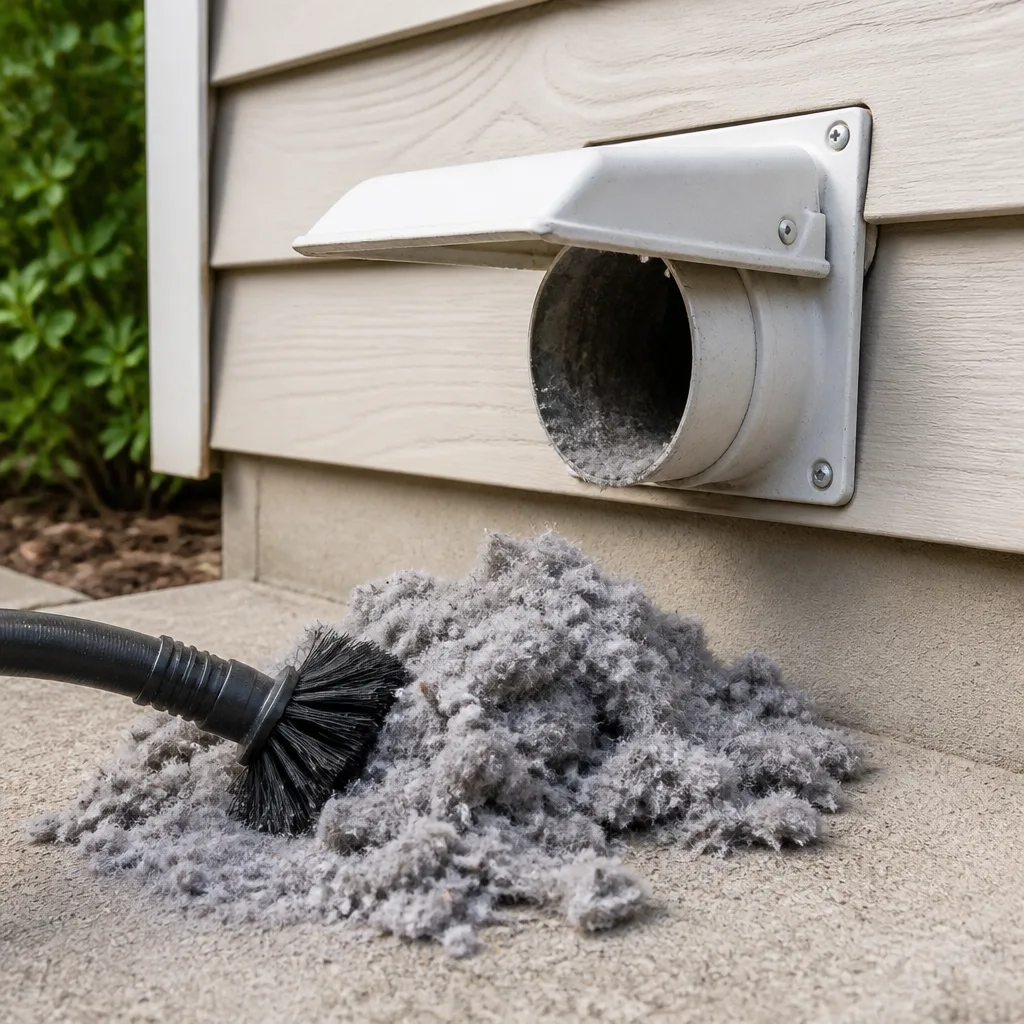 Dryer vent cleaning
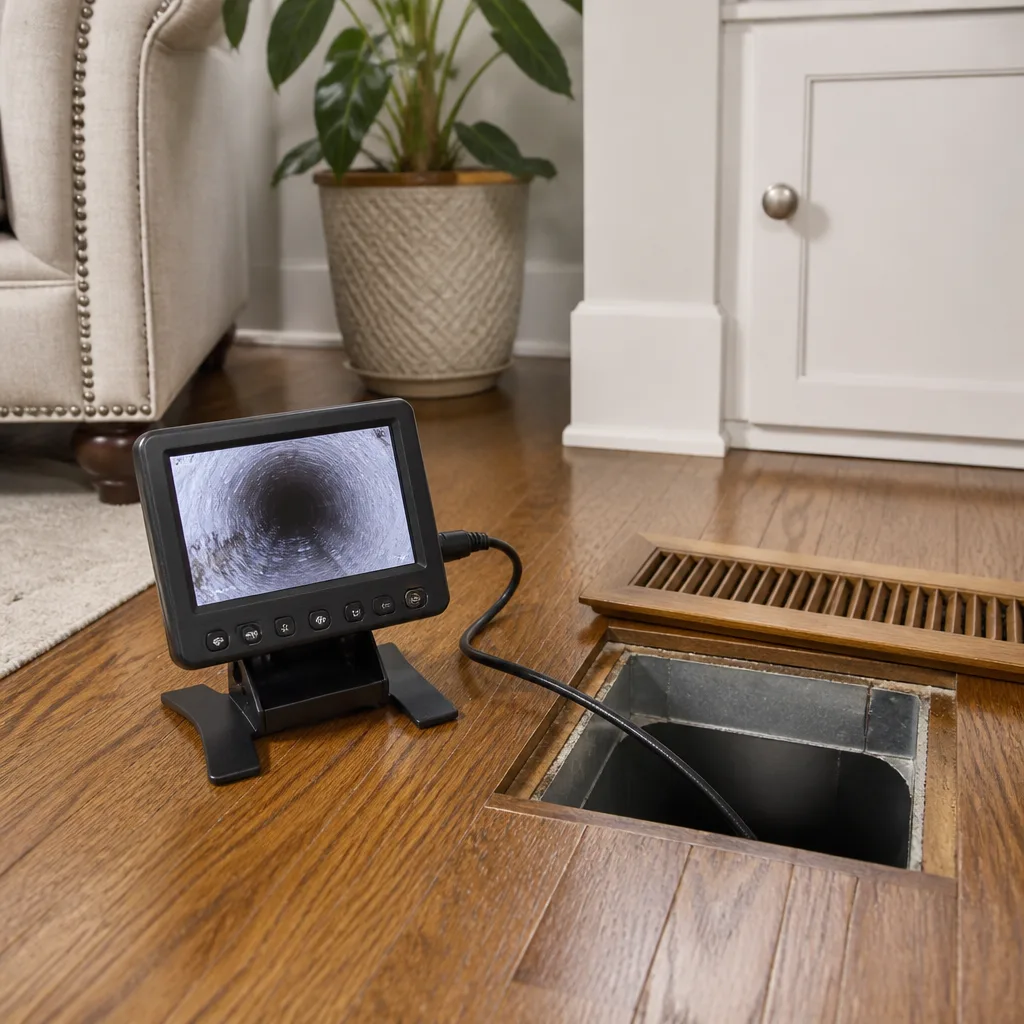 Camera inspection
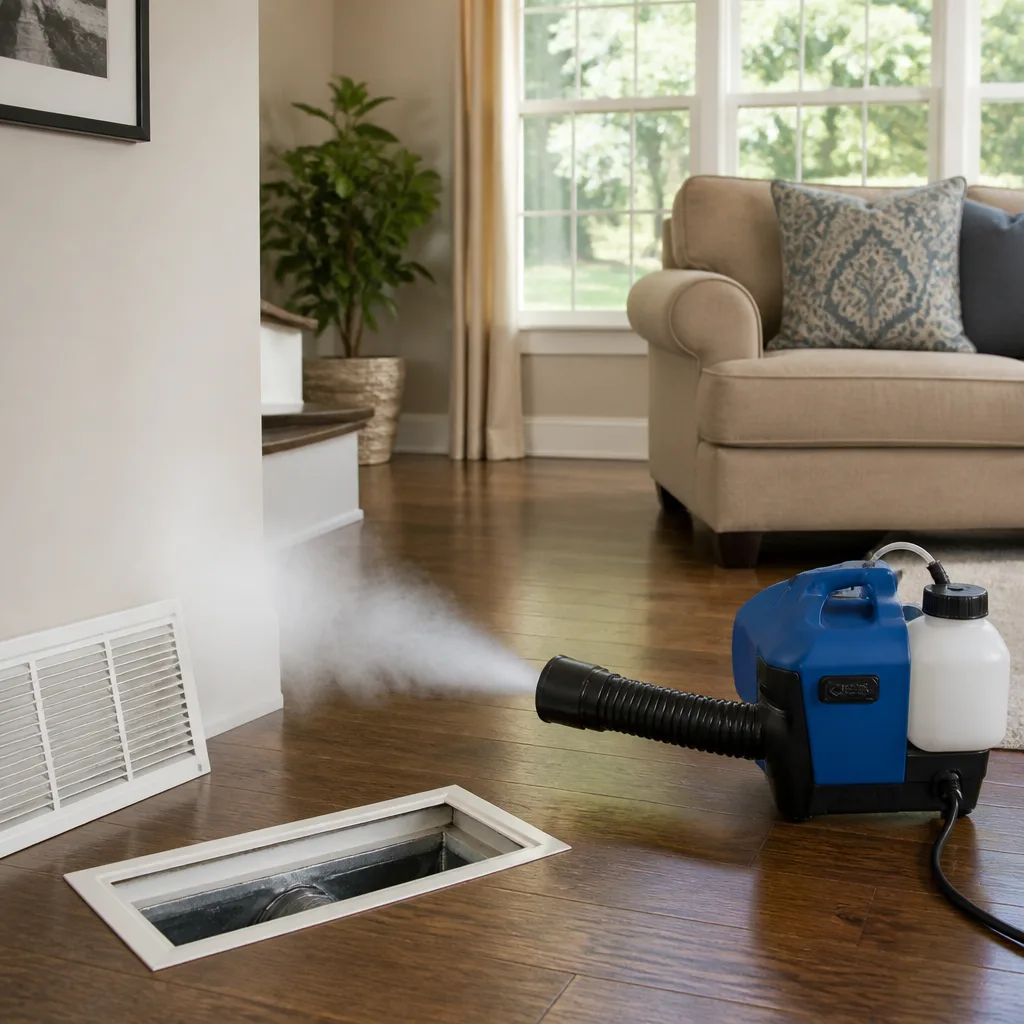 Sanitizing & deodorizing
Whole-system duct and dryer vent check with before-and-after photos - you see exactly what came out of your vents
That "$99 whole-house special" is a bait ad - the real number appears once they are in your hallway, or the "clean" is a shop-vac at the register. We photograph the inside of your ducts before and after instead.
Air Duct Cleaning Cost Breakdown: The Fort Wayne Homeowner’s Reference for 2026
Every spring, the same ad shows up in Fort Wayne mailboxes and search results: air duct cleaning for $99. The price is real. So is what it leaves out. That visit usually runs about 45 minutes and touches roughly 30% of the duct system, which means the trunk lines, the branches feeding individual rooms, the returns, the air handler and the evaporator coil are all still carrying whatever they were carrying before the technician knocked on the door. This guide breaks down what a genuinely complete cleaning includes, what each part of the job actually costs in Fort Wayne in 2026, and how to tell the difference between a maintenance-level visit and full-system work before you pay anyone.
Quick Answer
Full-system air duct cleaning in Fort Wayne typically costs $400 to $700 for an average single-family home in 2026, with small, simple systems landing closer to $350 and larger two-story homes with multiple zones reaching $800 to $1,100. A $99 or $150 visit is a real service, but it covers a partial cleaning of accessible runs only. The written estimate from the provider should tell you exactly which components are included before any work begins, and that estimate sets the final price.
Styles & brands we work with
- Whole-home duct cleaning
- Dryer vent cleaning
- Camera inspection
- Sanitizing & deodorizing
Table of Contents
- Why Fort Wayne Duct Cleaning Prices Range From $99 to $900
- What a Full-System Cleaning Actually Includes, Line by Line
- Why Square Footage Is the Wrong Way to Price Duct Cleaning
- Legitimate Add-Ons vs. Margin Plays
- What Fort Wayne’s Climate and Housing Stock Do to Duct Systems
- How to Calculate the Cost-Per-Year Value of a Thorough Cleaning
- What to Expect to Pay for a Maintenance-Level Visit
- How to Verify the Work Actually Got Done
Why Fort Wayne Duct Cleaning Prices Range From $99 to $900
The spread isn’t a margin story. It’s a scope story. Two trucks can arrive at two similar houses in Fort Wayne on the same morning, spend wildly different amounts of time, and both quote an honest price. What separates them is how much of the system gets cleaned.
A $99 visit usually means one technician with a portable shop-style vacuum and a rotary brush on a flexible shaft. They pull the floor registers in the rooms you can see, work the brush down the accessible branch runs, and put the registers back. Elbows, boots, returns, the plenum and the air handler stay as they were. That’s roughly 45 minutes of work, and honestly, it’s a real 45 minutes of work. The problem is that most of the dust, dander and debris in a typical system has settled where gravity put it: not in the branch runs the technician can reach, but in the trunk line, the return drops and the air handler cabinet.
A full-system cleaning uses contractor-grade equipment, not the portable units. That’s the equipment category where the Rotobrush and Nikro systems sit. These machines combine negative pressure and air-driven agitation so the entire duct network is under vacuum while the interior is scrubbed. The scope that pricing reflects includes:
- All supply trunk lines and branch runs accessible from registers
- Return air ducts and return plenum
- Registers and grilles (removed, cleaned and reinstalled)
- Air handler cabinet and blower compartment
- Evaporator coil cleaning when accessed (frequently a separate line item)
- Before-and-after documentation of the interior
In our experience, homeowners who feel burned by a cheap cleaning aren’t upset about the $99. They’re upset because nobody told them what the $99 left out. A written scope solves that. So does naming the equipment: when we say Rotobrush and Nikro, you can look up what those systems are and what they’re capable of before you hire anyone.
What a Full-System Cleaning Actually Includes, Line by Line
Duct cleaning isn’t one task. It’s a set of tasks that happen to live under one invoice. Here’s how the labor breaks down for a typical Fort Wayne ranch or two-story, and how long each part takes.
Step 1: Setup and Negative Pressure (20 – 30 minutes)
The technician seals the system at the main trunk or return plenum and connects the vacuum. Every register opening gets covered. This stage creates the pressure differential that keeps dislodged debris moving toward the vacuum instead of into the living space. A cleaning that skips real negative pressure is a cleaning that pushes dust around.
Step 2: Register and Grille Removal (15 – 20 minutes)
Every supply register and return grille comes off, gets washed, and gets set aside for reinstallation. The number of openings in the system directly affects the time and therefore the cost.
Step 3: Supply Side Cleaning (45 – 90 minutes)
This is where the rotary agitation happens. The technician works a whip line or brush head down each branch, moving toward the trunk, then works the trunk itself. Branch count matters far more than square footage here. A 1,600-square-foot house with 14 supply runs takes longer than a 2,200-square-foot house with 9.
Step 4: Return Side Cleaning (30 – 45 minutes)
Returns carry the heaviest dust load because they pull air back from living spaces where dander, dust and pet hair gather. Return drops and the return plenum need the same treatment as the supply side, and this is one of the most commonly skipped steps in a low-cost visit.
Step 5: Air Handler and Blower (20 – 40 minutes)
The air handler cabinet gets vacuumed and wiped, and the blower compartment is cleaned when accessible. Coil cleaning is often quoted separately because accessing an A-coil takes time and care. Skipping the air handler leaves the debris source right next to the clean ducts.
Step 6: Final Vacuum, Reinstallation and Documentation (20 – 30 minutes)
Registers go back on, the vacuum finishes its work, and before-and-after photos get taken. Ask for those photos. Any provider using contractor-grade equipment should be able to show you the interior of your own ducts without hesitation.
Add it up on a typical 12 to 16 register home and you’re looking at 3 to 5 hours of on-site labor plus equipment. That’s where the honest $400 to $700 Fort Wayne range lands, and it’s why a $99 price can exist without anyone lying: it’s simply a different job.
Why Square Footage Is the Wrong Way to Price Duct Cleaning
Homeowners expect price-per-square-foot because that’s how carpet cleaning, painting and flooring all work. Duct cleaning doesn’t map that way. What actually drives the labor:
- Number of registers and returns. Each opening needs removal, cleaning and reinstallation. A 1,400-square-foot house with 16 openings is more work than a 2,400-square-foot house with 11.
- Number of branches and trunk length. Long trunk runs and multiple branches mean more agitation time.
- System configuration. Two-zone systems, offset returns, finished-basement drops and complex runs all add time.
- Accessibility. Ducts buried above finished ceilings or run through tight mechanical chases take longer to reach.
- Condition. A system that hasn’t been touched in years, or one with visible contamination on the components, takes longer than a well-kept system.
- Air handler layout. An upright in a utility closet is quick to access. A horizontal unit in a tight attic takes longer.
That said, square footage isn’t useless as a starting point for a phone quote. It’s how we and other providers give a rough range before an in-person visit. The written estimate is where the real number gets set, and it should be based on the actual system in front of the technician, not a number typed into a calculator three ZIP codes away. If a provider quotes you a firm price over the phone without seeing the system, ask them what happens if the on-site system doesn’t match. The answer tells you a lot.
One Fort Wayne specific worth flagging: many older homes here have duct systems that were retrofitted in stages, especially where a basement was finished later or a previous owner added a room and tapped into the existing trunk. Those systems often have mismatched branch sizes, a long return drop, or a trunk that runs hot in spots because airflow was never rebalanced after the retrofit. None of that shows up in a square-footage calculation, but all of it shows up in the labor time.
Legitimate Add-Ons vs. Margin Plays
Add-on services are where the quote can either grow into something worth paying for or grow into something you didn’t need. Here’s how we sort them.
Legitimate add-ons (real work, real effect)
- Coil cleaning. If the evaporator coil isn’t accessible during a standard cleaning, cleaning it separately is a real service with a measurable effect on airflow and system efficiency. Expect it to be quoted clearly as its own line item.
- Duct sealing and repair. Leaky joints, disconnected boots and gaps at the plenum quietly bleed conditioned air into unconditioned spaces. Sealing them is the highest-return add-on for most homes, because it addresses the reason the system is running long. This is why we offer air duct cleaning alongside air duct repair rather than treating repair as an upsell.
- Sanitization or fogging. When there’s visible biological growth, odor or a known contamination event, a post-clean treatment makes sense. Products like Guardsman and Abatement Technologies are built for contamination control, and treating the system after cleaning is the correct order. Sanitizer applied without cleaning first is mostly cosmetic.
- Air-quality improvement products. Filtration upgrades and humidity control matter in a climate with real seasonal swings. Honeywell and Aprilaire products are the names most HVAC professionals work with for media filtration and humidification, and installing one after cleaning means the clean system stays clean longer.
Margin plays (limited effect, high markup)
- Fragrance treatments and “air freshener” duct foggers. These mask odor without addressing the source. If the system is contaminated, cleaning is what resolves the odor.
- UV lights sold as a fix for everything. UV systems have real applications in coil-level microbial control, but they don’t clean a dirty duct system and they don’t make up for skipped return-side cleaning.
- “Enzyme” or “anti-allergen” sprays added without diagnostics. Without visible contamination or a documented concern, these are a line item that costs money and changes very little.
Our rule of thumb: if the add-on addresses something the technician can show you on a photo, it’s probably worth discussing. If it addresses something you’d have to take on faith, ask for the photo before you agree to anything.
What Fort Wayne’s Climate and Housing Stock Do to Duct Systems
Fort Wayne’s climate is a real factor in how quickly a duct system accumulates debris, and it’s part of why annual cleaning advice that works in Phoenix doesn’t map cleanly here. The city sits in a humid continental zone with hot, muggy summers and cold winters that keep homes closed up for months at a time. That closed-up stretch is when dust, dander and debris have nowhere to go but into the return side.
Three local patterns we see again and again:
- Long heating seasons mean long return-side exposure. When the furnace runs hard from November through March, the return air ducts are pulling household dust and pet hair through the same paths for months. That’s the buildup a $99 visit doesn’t clean.
- Older neighborhood housing stock. Homes across areas like West Central, the near-south side and the older sections of New Haven and Waynedale often have original or partially modified ductwork. Rigid metal trunk lines with taped joints, undersized returns and retrofitted branches are common. Those systems benefit from repair as much as cleaning, and a provider who can only clean will miss that.
- Basement finishing and additions. When a homeowner finishes a basement or adds a room and taps the existing trunk, the added branch often sits at the far end of a long run with weak airflow. That branch accumulates debris faster and needs attention during the cleaning, not just a quick brush pass.
Pet owners and households with allergy sufferers in Fort Wayne tend to notice the system most in late winter, when the house has been closed up for months and the return registers show visible fuzz. That’s the moment a thorough cleaning pays back the most, because it removes the accumulated load before the spring cooling season pushes it back through the house. If you’re in one of those households, the honest conversation is about scope, not speed. A scheduled thorough cleaning when the house needs it beats a rushed visit whenever the coupon arrives.
Dryer vents deserve a separate mention because the same closed-up, hard-working housing stock applies. A dedicated dryer vent cleaning is a fire-safety service, not a duct cleaning add-on, and it should be quoted and scheduled on its own terms.
How to Calculate the Cost-Per-Year Value of a Thorough Cleaning
Homeowners who balk at $500 for a full-system cleaning often haven’t compared it to what they’re already paying to run a system with restricted airflow. Here’s how to think about the math without inventing savings percentages that no one can verify.
The first step is honest: get a baseline. Look at your utility bills from the last two heating and cooling seasons and note the months that spiked. Then look at your system’s condition. If the return registers are visibly furry, if the blower wheel has visible dust buildup, or if the air handler cabinet has debris in it, restricted airflow is already costing you runtime, and runtime is what shows up on the bill. A thorough cleaning removes that restriction. It doesn’t promise a specific percentage back. Nobody honestly can.
The second step is to translate the cost over the interval between cleanings. Most Fort Wayne homes in average condition do well with cleaning every three to five years; homes with pets, allergy sufferers or recent renovation work should plan shorter intervals. At $500 per cleaning spread over three years, that’s roughly $167 per year. Spread over five years, $100 per year. Compare that to the cost of a single unplanned furnace or coil repair, and the math gets clear fast.
The third step is to include what the cleaning protects. A clean system is easier on the blower motor and the coil. A restricted system makes both work harder in the same weather. When you add legitimate add-ons like duct sealing, the value calculation shifts further in the homeowner’s favor, because sealing reduces the leakage that causes the restriction in the first place.
The fourth step is to include what a fix costs if you skip the cleaning. A severely restricted system can eventually produce coil icing, short cycling and a service call. That call almost always costs more than a scheduled cleaning, and it doesn’t resolve the underlying debris. For Fort Wayne homeowners deciding whether 2026 is the year, the honest answer usually comes down to visible condition on the return side. If the returns are furry, cleaning is overdue. If the system was cleaned recently and looks clean, it can wait.
What to Expect to Pay for a Maintenance-Level Visit
A maintenance-level visit is a real service, and some homes genuinely need it and nothing more. Expect $150 to $300 in Fort Wayne for 2026, and expect the scope to be narrower than a full-system cleaning.
What that price typically covers:
- Register and grille removal and cleaning
- Accessible branch run brushing on the supply side
- A quick vacuum pass at visible return openings
- Reinstallation and a basic visual check
What it typically does not cover:
- Full return-side cleaning
- Trunk line cleaning under negative pressure
- Air handler cabinet and blower compartment cleaning
- Coil cleaning
- Duct repair or sealing
Who’s a good fit for a maintenance visit? A home that had a full cleaning in the recent past, has no pets, no allergy sufferers and no signs of visible debris at the registers. In that situation, a maintenance visit keeps things tidy between full cleanings. Who’s not a good fit? Any home with visible contamination on the return side, a recent renovation, pets in the house, or a system that’s never been cleaned. For those, the $99 to $150 visit is where the frustration starts, because the actual load is in the parts of the system the visit doesn’t reach.
If you’re not sure which applies to your home, ask the provider to walk you through the return side before quoting. A technician who can’t explain what a full-system cleaning includes, or can’t tell you which parts of the system the quote excludes, hasn’t given you a usable estimate.
How to Verify the Work Actually Got Done
This is the question every homeowner has and no coupon ad answers. Here’s what actually lets you verify a duct cleaning.
- Before-and-after photos of your own ducts. Not stock photos, not a generic “cleaned” shot, but the interior of your system documented before and after. Any provider using contractor-grade equipment can produce these.
- Named equipment. Ask which machines will be on site. When a provider names Rotobrush or Nikro, you can look up the systems and understand what they’re capable of. When the answer is “professional equipment” with no specifics, ask for specifics.
- Written scope before the work starts. The estimate should list what’s included (returns, trunk lines, air handler, registers) and what’s excluded (coil, sealing, sanitization). Get it in writing.
- One flat price per system. Not per vent pricing that grows as the technician walks through the house. Not a coupon price that becomes a bigger invoice on-site. A single price for the system, agreed before work begins.
- Access points visible when the work is done. Trunk lines and returns have to be opened to be cleaned under negative pressure. If nobody opened the trunk, nobody cleaned the trunk.
- A satisfaction guarantee in writing. If the work isn’t what you expected, the guarantee should say what happens next, in plain language, without a phone tree to navigate.
Our technicians have up to 14 years of experience with the equipment categories that make this verifiable, and we name our equipment brands so you can check them before you hire us. That level of transparency isn’t a sales tactic; it’s simply what a full-scope job looks like when it’s done right.
Common Mistakes to Avoid
- Buying on price alone. A $99 visit and a $600 visit are different services with different scopes. Compare what’s included before you compare what’s charged, because the invoice at the end is the only one that matters.
- Not asking what the quote excludes. Returns, air handler, coil and trunk lines are frequently left out of a low-cost visit. Before you agree, get the exclusions in writing on the same page as the price.
- Assuming a recent cleaning covered the returns. Plenty of affordable visits clean the supply side and skip the returns, which is where Fort Wayne’s closed-up heating season deposits the most debris.
- Skipping the air handler. A clean duct network attached to a dirty air handler cabinet means debris is still sitting right next to clean ducts. That’s incomplete work, and it’s worth confirming the air handler is in the scope.
- Treating dryer vent cleaning as a duct cleaning add-on. It’s a separate fire-safety service with its own scope and safety rationale, and it deserves its own appointment and quote.
- Taking a firm phone quote without an on-site visit. Duct cleaning pricing depends on what’s actually installed. Be wary of any provider who won’t adjust a quote after seeing the system.
- Paying for a high-margin spray without a photo. Sanitization and filtration upgrades can be worth it when they address something the technician can document. Ask for the photo first.
See the difference
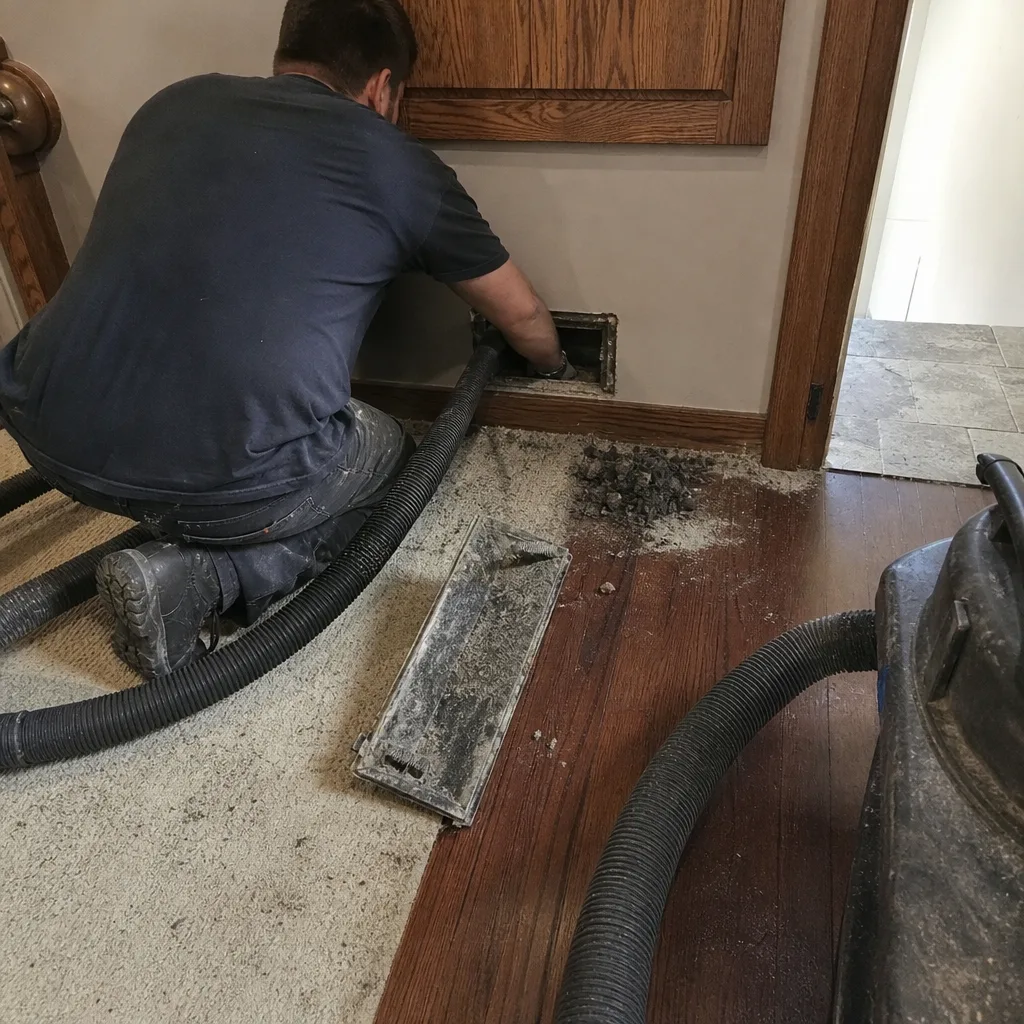 Before
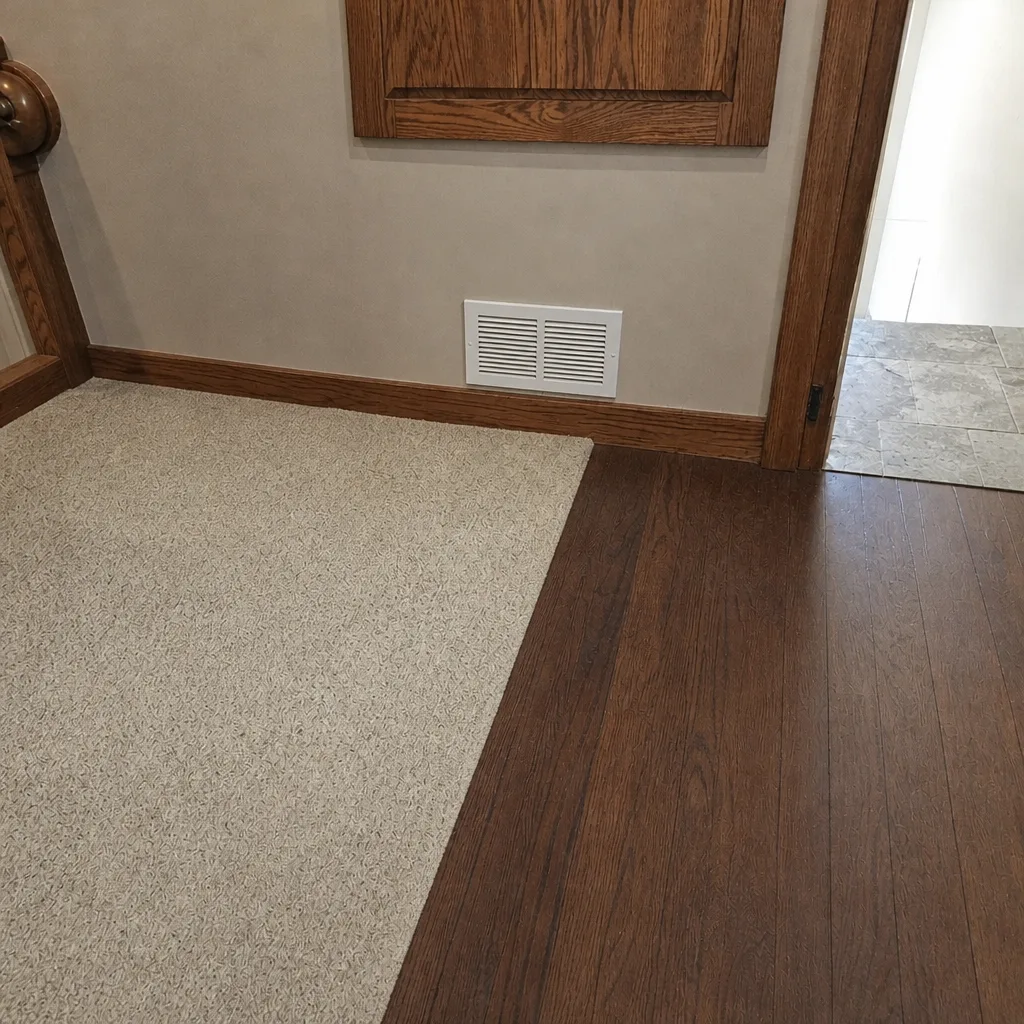 After
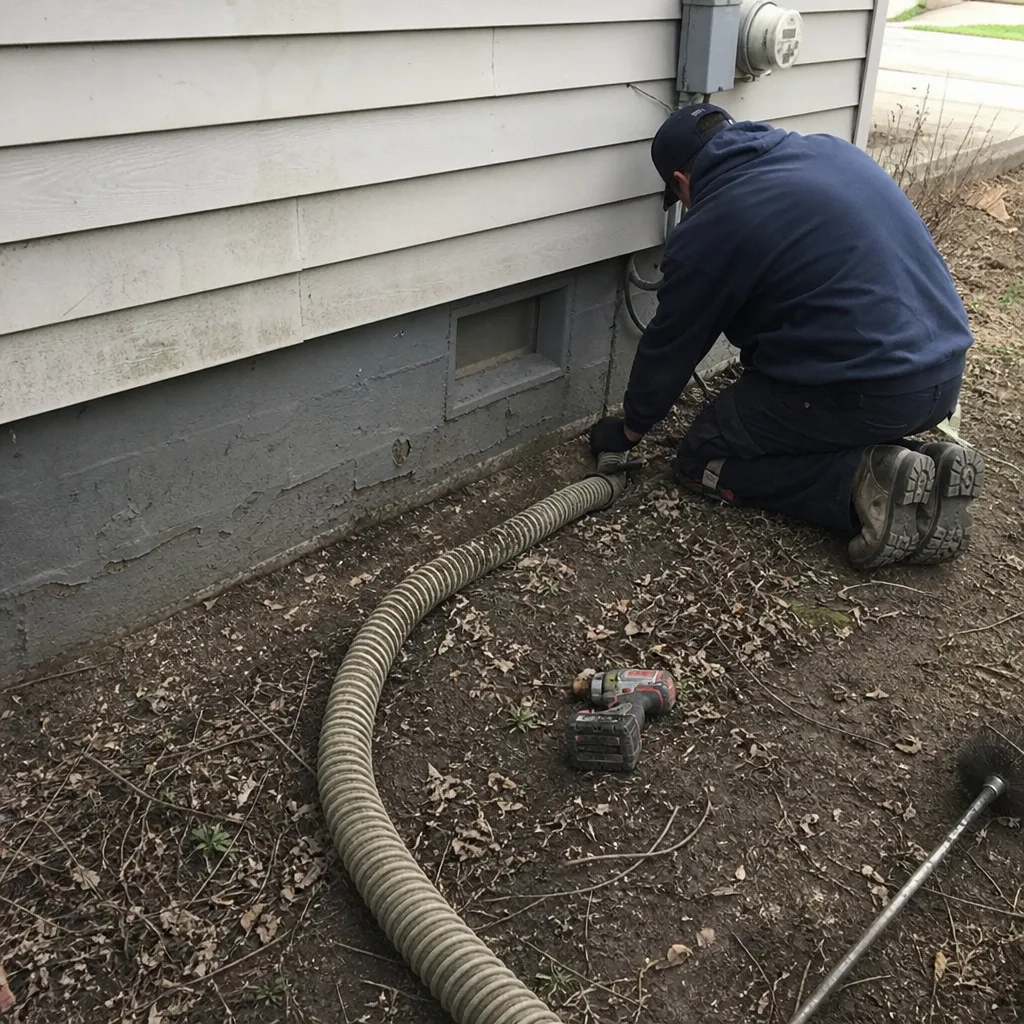 Before
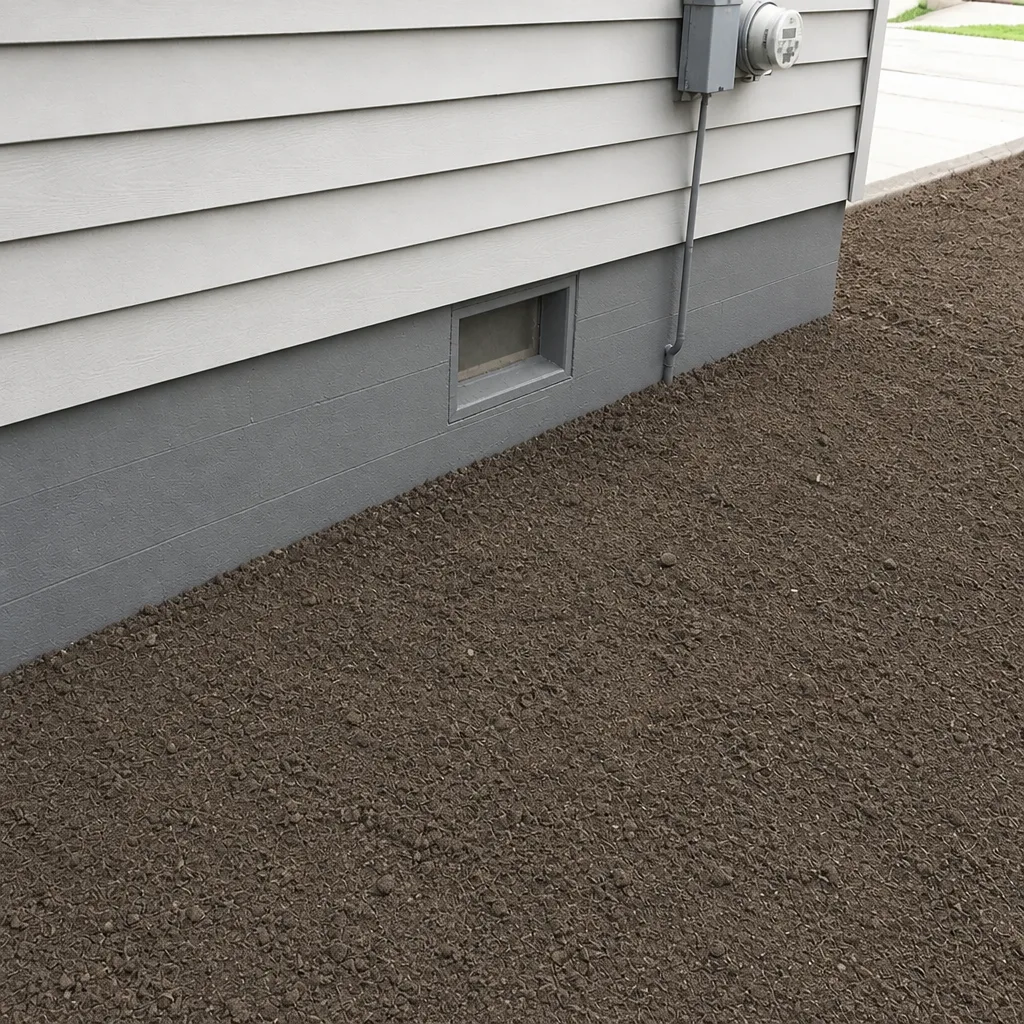 After
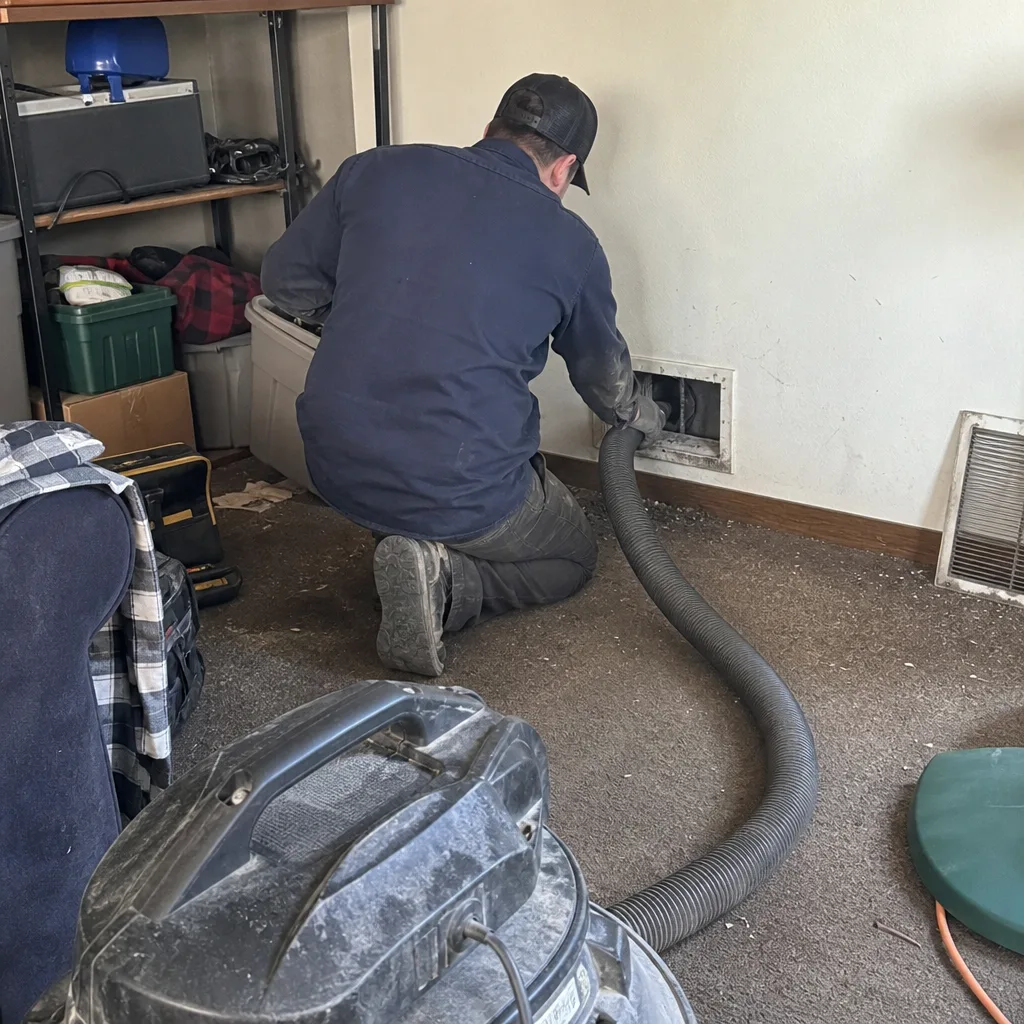 Before
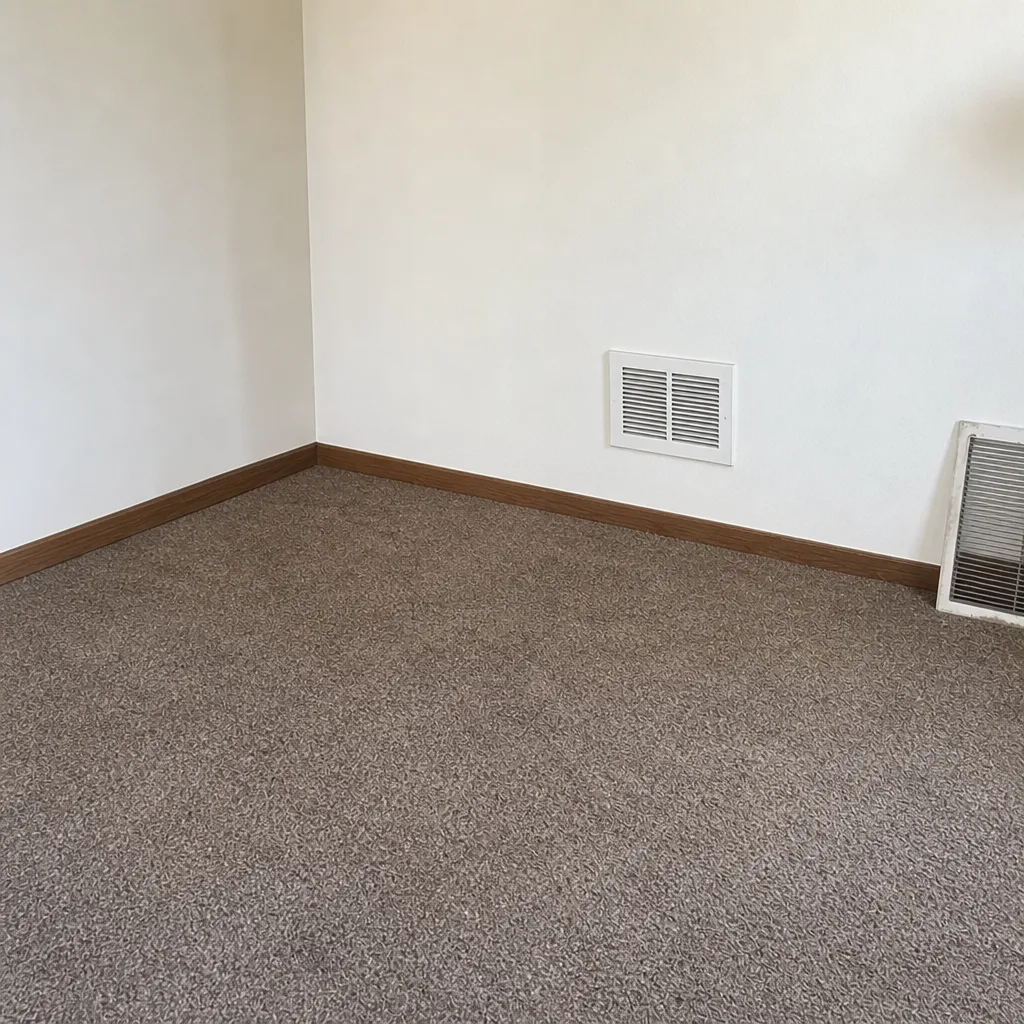 After
When to Call a Professional
Some signs mean clean now, not next year. Visible debris or fuzz on the return registers, a musty odor that appears when the fan kicks on, a recent renovation or drywall project, a new pet in the house, visible dust buildup on the blower wheel, or allergy symptoms that spike during heating season and calm down when the system is off. Those are all reason to have the system looked at by a provider who cleans the whole system, not just the accessible branches. Duct Cleaning Fort Wayne offers free estimates in Fort Wayne – call (844) 951-3807. We answer 24/7. Fast dispatch from 7am to 7pm, Sunday through Friday.
If the concern is a dryer that’s taking longer to dry loads or a vent with visible lint at the exterior termination, that’s a separate call. Lint buildup in the dryer vent is a documented fire risk, and it’s worth scheduling dryer vent cleaning on its own.
Frequently Asked Questions
Full-system air duct cleaning in Fort Wayne in 2026 typically runs $400 to $700 for an average single-family home, with larger or more complex systems reaching $800 to $1,100. A maintenance-level visit covering accessible branches and registers runs $150 to $300. The written estimate sets the final price. Call (844) 951-3807 for an exact quote – estimates are free.
Because they cover a much smaller scope. A $99 visit typically cleans the accessible supply branches and pulls the floor registers, which is roughly 45 minutes of work on about 30% of the system. Returns, trunk lines, air handler and coil are usually excluded. The price is honest; the scope just isn’t the same job. When you compare quotes, compare the scope list side by side, not just the number at the bottom. Call (844) 951-3807 and we’ll walk you through what a full-system quote includes before you commit – estimates are free.
Ask for before-and-after photos of your own ducts, not stock images. Ask which equipment will be on site: Rotobrush and Nikro are the contractor-grade systems that make the job verifiable, and a provider should be able to name them. Ask whether the trunk lines and returns will be opened during the work; if nobody opens them, they weren’t cleaned. Call (844) 951-3807 with the estimate in hand and we’ll walk you through how to read it – estimates are free.
Most homes in average condition do well with cleaning every three to five years. Homes with pets, allergy sufferers, recent renovation work, or a system that has never been cleaned typically benefit from more frequent intervals. The best indicator is visible condition on the return side: if the returns are furry or the air handler cabinet has debris in it, cleaning is due. Call (844) 951-3807 for a free estimate on where your system sits.
Yes, in a narrow case: a home that had a full-system cleaning recently, has no pets, no allergy concerns and no visible debris at the registers. In that situation a maintenance-level visit keeps things tidy between full cleanings. For a home with pets, a recent renovation, or visible contamination on the return side, the $99 visit will leave the actual source of the problem untouched. Call (844) 951-3807 and tell us what you’re seeing at the registers – we’ll tell you honestly which visit fits.
Duct sealing is worth asking about whenever the technician can show you leaks at boots, joints or the plenum, because it addresses the reason the system runs long. Sanitization makes sense when there’s visible contamination or odor, and it’s applied after cleaning, not instead of it. Products from Abatement Technologies and Guardsman are built for contamination control and are part of how a system gets treated properly. Call (844) 951-3807 for a free estimate that lists add-ons separately so you can decide.
The Bottom Line
The air duct cleaning price range in Fort Wayne makes sense once you understand what each price covers. A $99 visit is real, but it covers accessible branches only, roughly 30% of the system. A full-system cleaning at $400 to $700 covers trunk lines, returns, air handler and registers, which is where Fort Wayne’s closed-up heating season puts most of the debris. The right choice depends on your system’s actual condition, not the coupon in the mailbox. Get the scope in writing, ask which equipment will be on site, and ask for before-and-after photos. That’s how you avoid both overpaying for a full-system job you didn’t need and under-buying a partial visit on a system that needed the whole thing.
If you’re ready to know what your system actually needs, Duct Cleaning Fort Wayne offers free estimates and a flat price per system agreed before work starts. Call (844) 951-3807. We answer 24/7. Fast dispatch from 7am to 7pm, Sunday through Friday. For a broader look at the service behind these prices, see our air duct cleaning page and our Fort Wayne service information.
Written by the team at Duct Cleaning Fort Wayne.