
Last updated November 15, 2026
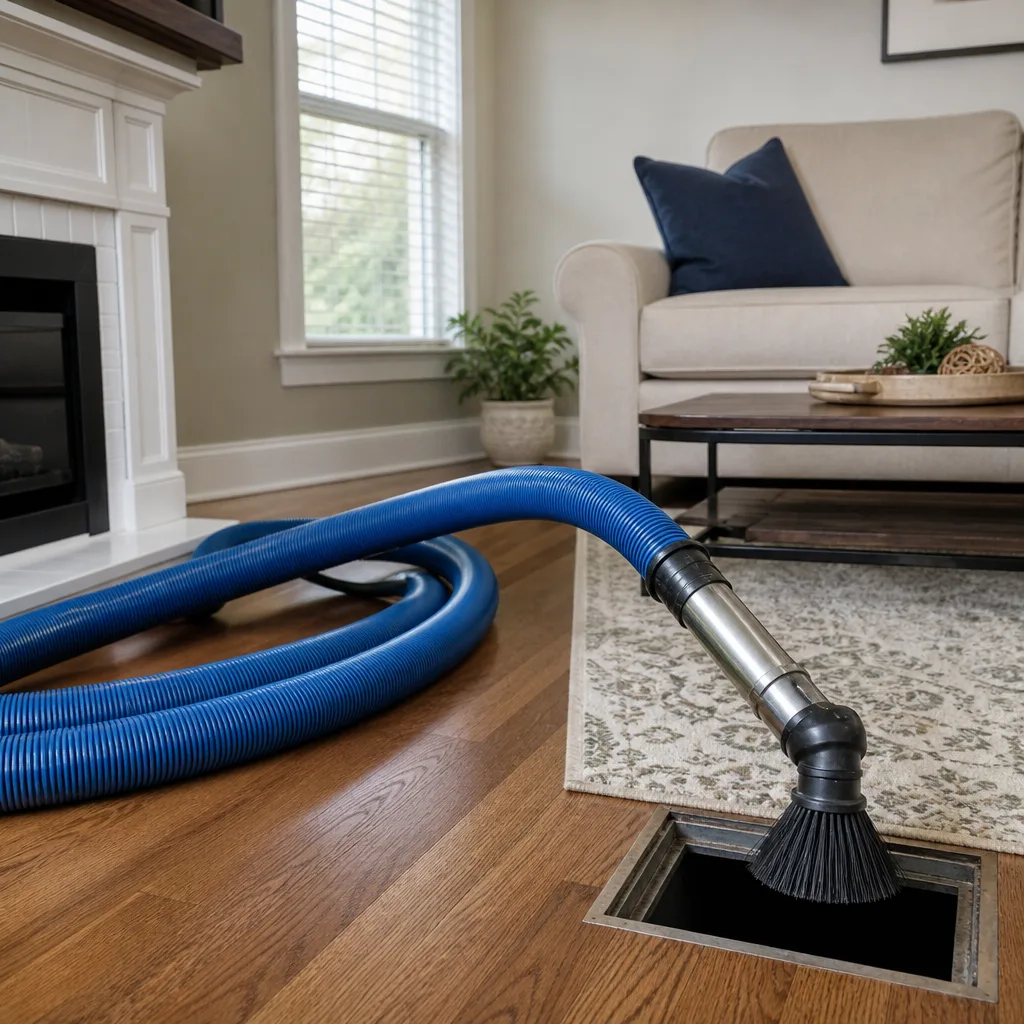 Whole-home duct cleaning
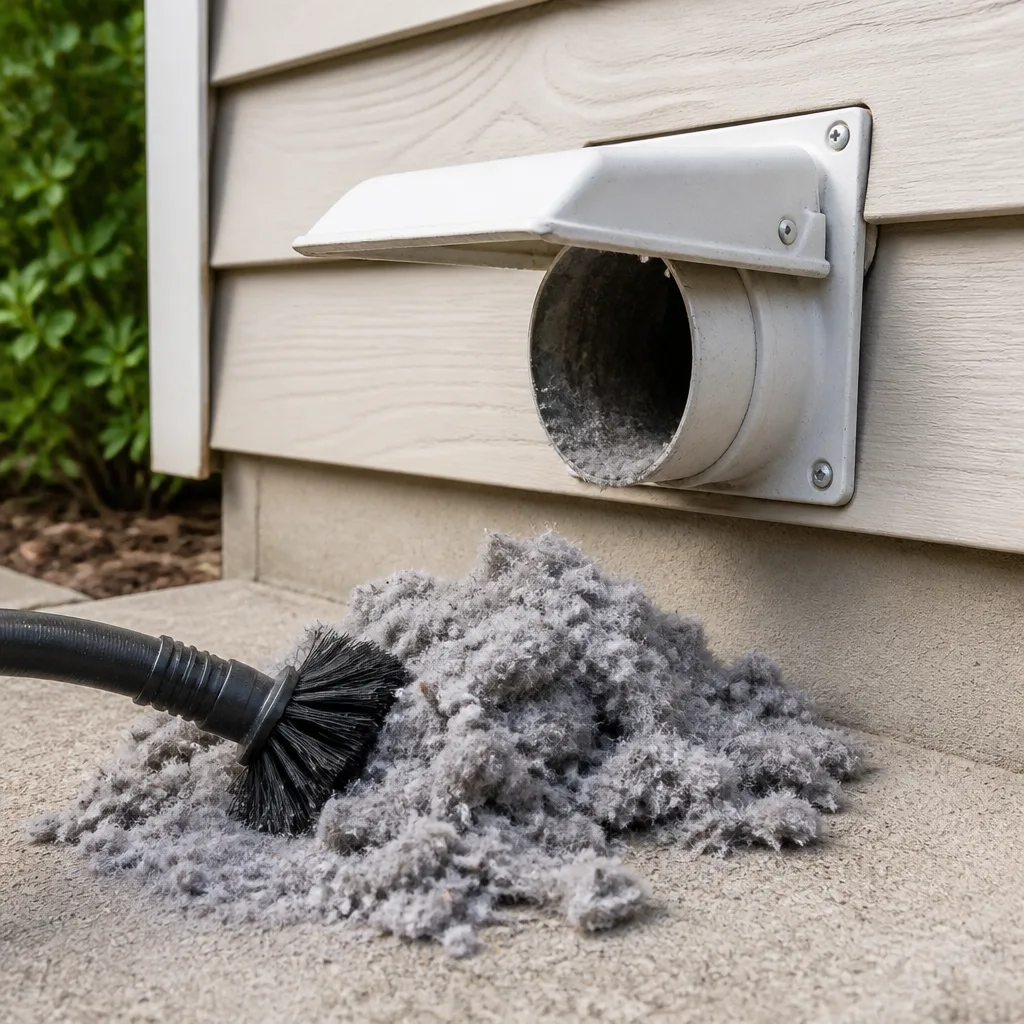 Dryer vent cleaning
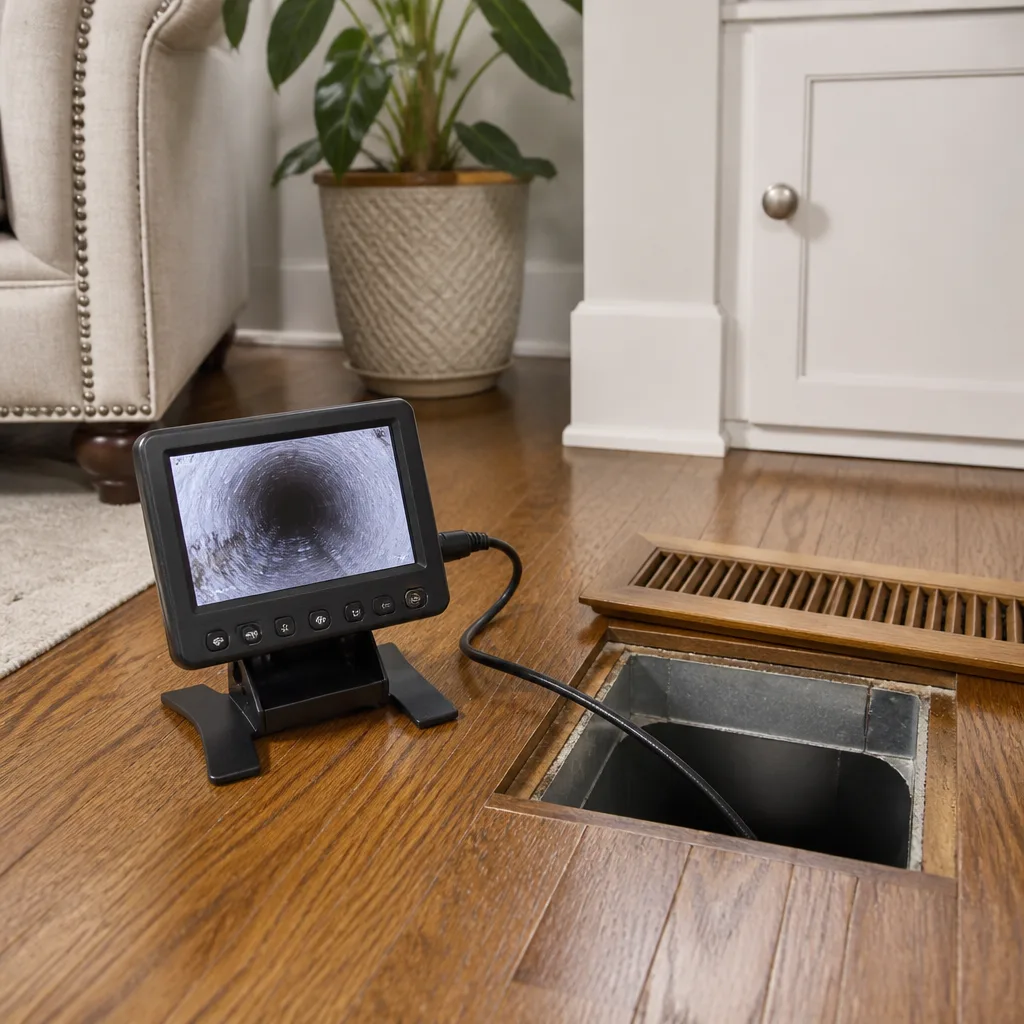 Camera inspection
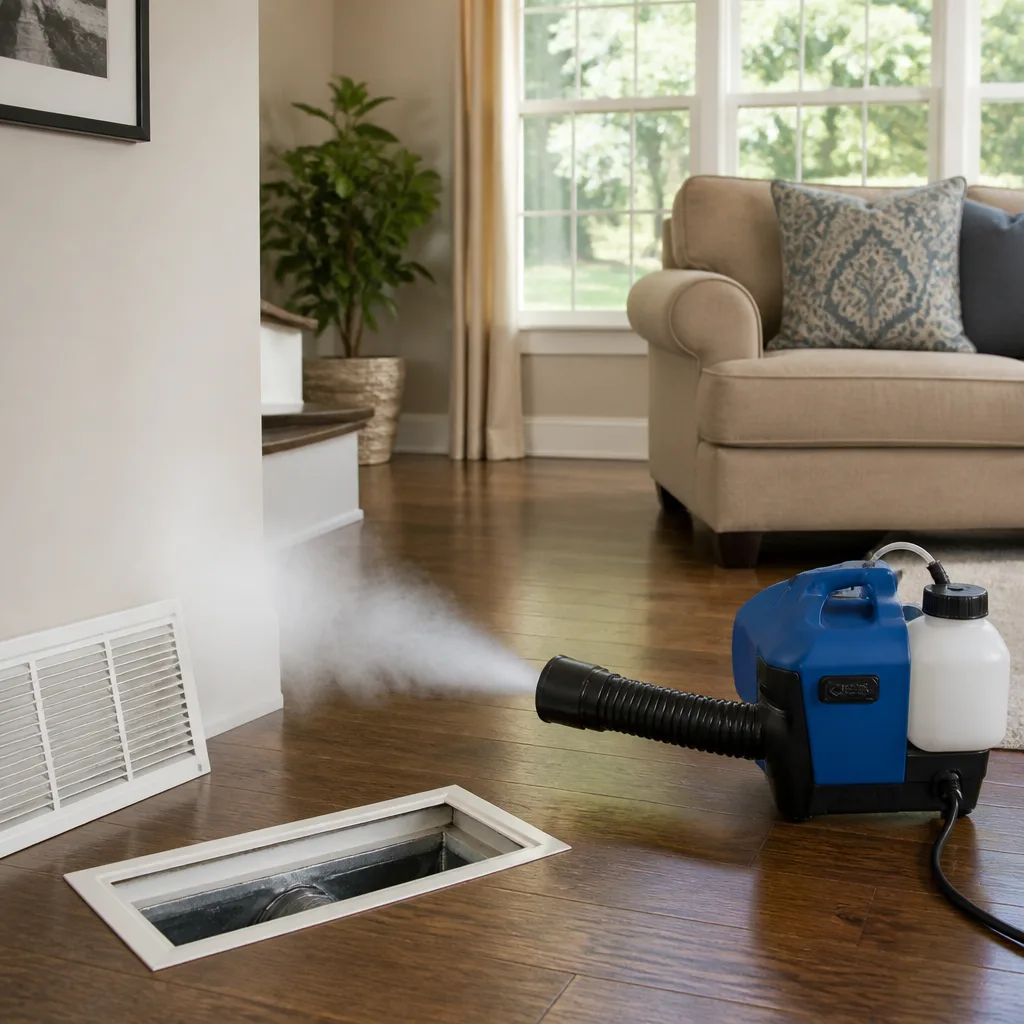 Sanitizing & deodorizing
Whole-system duct and dryer vent check with before-and-after photos - you see exactly what came out of your vents
That "$99 whole-house special" is a bait ad - the real number appears once they are in your hallway, or the "clean" is a shop-vac at the register. We photograph the inside of your ducts before and after instead.
Seasonal Air Duct Cleaning Care for Fort Wayne: Year-Round Homeowner’s Guide
Scheduling a duct cleaning in January means you’re cleaning a system that has just spent months running under peak heating load, but that hasn’t yet gone through the humid summer cycle that drives the worst contamination. That single observation changes how you should think about the job. Most homeowners treat duct cleaning as an annual chore they get to whenever it comes up, and that timing is usually arbitrary. In Fort Wayne, the seasons aren’t background scenery – they’re the main variable that decides what your ducts are collecting, when that material gets moist, and when it settles in to stay. This guide walks through what each season does to a duct system here and how to time cleaning, repair, and protection to match.
Quick Answer
The most valuable window for a full-system cleaning in Fort Wayne is late September through October, just before the heating season begins, because you clean the system before it runs continuously. Spring pollen, summer humidity inside return ducts, and winter heating load each leave their own deposits, and a short pre-season cleaning plus targeted inspections at the coil and drain pan carry the system through the year better than a single arbitrary annual visit. A year-round posture, with a clean before heating, an interior inspection before cooling, and a dryer vent check, removes the emergency cleaning scenario most homeowners eventually run into.
Styles & brands we work with
- Whole-home duct cleaning
- Dryer vent cleaning
- Camera inspection
- Sanitizing & deodorizing
Table of Contents
- Why seasonal timing matters more than annual cleaning
- Spring: pollen, the pollen problem that starts before heating season ends
- Summer: humidity, return ducts, and the mold-risk window
- Pre-heating-season cleaning (late September / October) is the highest-leverage timing
- The coil and drain pan check at each transition
- Building a year-round maintenance posture
- Why professional-grade equipment changes the outcome
- Where duct repair fits into seasonal care
Why Seasonal Timing Matters More Than Annual Cleaning
An annual duct cleaning is a date on the calendar, not a strategy. A quarterly mental check that maps to what the system is actually going through when the work happens gets you a better result for roughly the same effort. In Fort Wayne, that means understanding four distinct stress windows.
Heating season carries airborne dust, pet dander, and combustion-related particles through supply trunks every time the furnace runs. Cooling season pushes a heavy, humid airstream through the same ducts and drops moisture onto the coil and into the drain pan. Spring brings pollen that gets pulled into the return side before the system switches modes. And the shoulder seasons, briefly, are the only periods when the system is quiet enough that a proper cleaning done today stays clean for weeks rather than days.
Three questions decide how often you actually need to clean:
- How hard is the system working? A home that runs heat seven months of the year builds up more dust on the return side than a lightly used system.
- Who lives there? Allergy sufferers, young children, older adults, and pets each raise the benefit of a clean system.
- How is the ductwork built? Flex duct with tight turns traps debris in different places than rigid sheet metal trunk runs.
Our technicians have up to 14 years of experience working duct systems across this region, and the pattern is consistent: the homes that stay clean and comfortable are the ones that treat cleaning as a piece of seasonal maintenance, not a fix for a smell.
Spring: The Pollen Load That Starts Before Heating Season Ends
Spring pollen in Fort Wayne doesn’t wait for the last cold snap. The first warm spells open up the trees, and the trees release before the heating system has finished its final cycle. That means a duct system that wasn’t cleaned before heating season ended is now cycling pollen-bearing air past the furnace filter, past the coil, and into the supply trunk during the last cold weeks of the year.
What does spring pollen do inside a duct system? Three things:
- It settles in the return plenum and on the return grilles, where airflow is slowest and heaviest particles drop out first.
- It collects in the filter slot, the gaps around the filter frame, and any ducting with a sagging flex run where airflow stalls.
- It combines with the dust and pet hair already in the ductwork into a sticky agglomerate that a shop vacuum can’t lift out.
The practical result is that spring pollen doesn’t feel like a small seasonal annoyance for a duct system – it becomes the base layer for whatever happens during the next cooling season. That’s one reason a pre-heating-season cleaning the previous October is so valuable: it removes the previous year’s accumulation before the pollen load arrives, rather than after.
If you skipped the fall cleaning, the next best window is early spring, before the air conditioner starts running. Call to book the air duct cleaning before the pollen count climbs and you’re running the cooling side of the system with the load already inside.
Summer: Humidity, Return Ducts, and the Mold-Risk Window
July and August are the highest mold-risk months for duct systems in Fort Wayne, and the reason is not just outdoor humidity. It’s what happens inside the return duct when the airstream carries moisture through a system that wasn’t cleaned the previous autumn.
Here’s the mechanism. The return duct pulls warm, humid air from inside the house back to the air handler, and the air handler’s cooling coil pulls moisture out of that air. As the coil condenses water, the drain pan below it collects water and drains it out. If the pan has debris, or the drain line has a partial clog, standing water sits in the pan. Standing water plus the dust and organic debris inside the return plenum is exactly the growth condition mold needs.
By contrast, a system that was cleaned in the fall and had its coil and drain pan inspected going into cooling season enters July with a clean, dry, free-draining pan. That’s the difference between a summer that smells neutral and one where the registers start to smell faintly musty by August.
What to inspect before summer:
- The drain pan for standing water or visible debris.
- The condensate line for slow drainage.
- The coil faces (upstream and downstream) for visible dust buildup.
- The filter, which should be replaced on the manufacturer’s interval.
- The return grilles and the return plenum walls for dust stalactites, which is a sign of long-term buildup.
If any of these raise a flag, don’t wait for a smell. Call (844) 951-3807 for a free estimate. We answer 24/7.
Pre-Heating-Season Cleaning: The Highest-Leverage Timing for Most Fort Wayne Homes
Late September and October are the highest-leverage window for a full-system duct cleaning in Fort Wayne, and it’s not a marketing schedule. It’s a mechanics schedule.
Here’s why. When you clean a duct system in the fall, you clean it before the furnace runs continuously for five to six months. That means the freshly cleaned system enters heating season with an empty return and supply side. Through the entire heating season, dust that gets deposited on the clean duct walls stays comparatively loose, and the filter catches most of the airborne load before it lands. When you clean in spring or summer instead, you’re cleaning a system in the middle of the heating season’s contribution – which is to say, the clean lasts through a shorter and quieter window before the load starts again.
The fall clean also lets you catch two repair items while they’re easy to fix:
- Seams and joints. A sealed seam is a sealed seam in October and it’s a leak in January. Find the leak before the heating season pulls it wide.
- Register and return gaps. Loose boots, unsealed return chases, and gaps around the air handler cabinet all become air-quality problems once the furnace is running constantly.
Call Duct Cleaning Fort Wayne for the fall window before the heating season crowds the schedule. We work Sunday through Friday, 7am to 7pm. Fast dispatch from 7am to 7pm.
The Coil and Drain Pan Check at Each Season Transition
Two components catch almost all the seasonal contamination: the cooling coil and the drain pan. Checking them twice a year, once when you switch to heating and once when you switch to cooling, catches the problems that a full cleaning otherwise has to address.
The check has four steps:
- Shut the system down and remove the filter. A clean filter is the foundation of everything else.
- Inspect the coil faces. Visible dust mat on the upstream face is normal between cleanings; mat on the downstream face means it’s migrating past the coil.
- Look at the drain pan. Standing water, sludge, or mineral scale all mean the pan needs cleaning or the drain line needs clearing.
- Test drainage. Water should drain freely from the pan, not sit and percolate.
If you find sludge or a slow drain, address it. A call to a professional at that point is a short visit – a call after a musty smell has set in is a larger cleaning that includes the coil, the plenum, and possibly treatment of the return side. Honeywell and Aprilaire filtration products can also improve particulate capture at the filter, and those are worth discussing with a technician during the same visit.
Building a Year-Round Maintenance Posture
The “emergency cleaning” scenario – a musty smell, an allergy flare, a visible puff of dust from a register – has a cause: no one checked the system between annual cleanings, so a slow problem became a sudden one. A year-round posture removes most of that risk.
The seasonal rhythm that works for most Fort Wayne homes:
- Late September / October: Full-system cleaning, seam and joint inspection, and filter replacement heading into heating season.
- November through March: Filter changes on the manufacturer’s interval. If the interior of the house smells stale by January, it’s usually the filter, not the ducts.
- April: Coil and drain pan inspection before the first cooling cycle. Confirm the pan drains freely.
- July: A light re-check of the return grilles for dust build; a musty smell at this point means the coil or pan needs attention.
- Any season: Dryer vent cleaning on its own timeline (see below), independent of the duct schedule.
That’s a five-point year, not a five-visit year. Most homes do a real duct cleaning once, an inspection in the spring, and a dryer vent check as needed. The rhythm does the heavy lifting.
The Duct Cleaning Fort Wayne page has the full picture of what we cover on a full-system cleaning, and it’s the right starting point if you’re building the schedule for the first time.
Why Professional-Grade Equipment Changes the Seasonal Outcome
The equipment a technician brings decides how much of the seasonal accumulation actually comes out. There’s a real difference between portable consumer-grade vacuum units and contractor-grade equipment, and it shows in the return plenum and the trunk line.
We operate Rotobrush and Nikro systems, the same class of professional equipment used by commercial contractors. The difference isn’t brand preference – it’s the amount of negative pressure and the reach of the cleaning head. A portable unit at the register can lift loose dust. A contractor-grade unit at the air handler pulls the whole system under pressure and the cleaning head works the full length of the trunk.
For post-clean treatment and contamination control, we use Abatement Technologies and Guardsman products. For air-quality improvement after the clean, we source and install Honeywell and Aprilaire products, so a home with allergy sufferers or pets isn’t just cleaned but set up to stay cleaner through the next season.
We name the equipment brands so you can verify them. Ask any duct cleaner what equipment they run and whether you can see it when they arrive.
Where Duct Repair Fits Into Seasonal Care
Cleaning without repair is a seasonal clean that has to be redone. If the return duct is leaking at a seam, the system draws attic or crawl air into the airstream and the clean is compromised within weeks. If a boot is loose at a register, dust bypasses the filter and lands straight in the supply trunk.
Air duct repair is a structural service most duct cleaning companies don’t offer. Two areas matter for Fort Wayne homes:
- Return-chase leaks. Older homes with a shared wall cavity as a return path can have significant leakage from basements or attics. Sealing those gaps keeps the cleaned system clean.
- Flex-duct damage. Pinched, torn, or disconnected flex runs in the attic or crawl space both lose efficiency and pull in contaminants.
If you’re planning a fall cleaning, ask the technician to inspect ductwork seams and register boots during the same visit. Fixing the leak after the clean is the right order; fixing it months later means the clean has already aged.
The Fort Wayne service page covers the full area we serve and how scheduling works.
Common Mistakes to Avoid
- Scheduling cleaning in July to “get ahead of fall.” A July clean sits through the highest-humidity window in Fort Wayne before the heating season contributes its own load. The clean ages faster than one done in the fall.
- Cleaning without checking the coil and drain pan. A clean system with a fouled drain pan is not a clean system. The pan is where summer mold risk lives, and it needs a look at every seasonal transition.
- Using a coupon-priced cleaner with consumer-grade equipment. A portable shop-vac-style unit cannot match the negative pressure of a Rotobrush or Nikro system. Pay for the equipment class, not the coupon.
- Cleaning without inspecting the ducts themselves. Cleaning a leaking duct system is a short-term fix. The seams, boots, and flex runs need an inspection during the same visit.
- Skipping the dryer vent. The dryer vent is a documented fire-safety item and deserves its own scheduled cleaning, separate from duct work. Don’t let it lapse because the ducts are on the calendar.
- Assuming a smell means ducts need cleaning. A musty smell in summer usually points to the coil or drain pan, not the ducts. Address the source, not the symptom.
- Cleaning once and never inspecting again. A year-round posture catches the slow problems before they become the emergency call.
See the difference
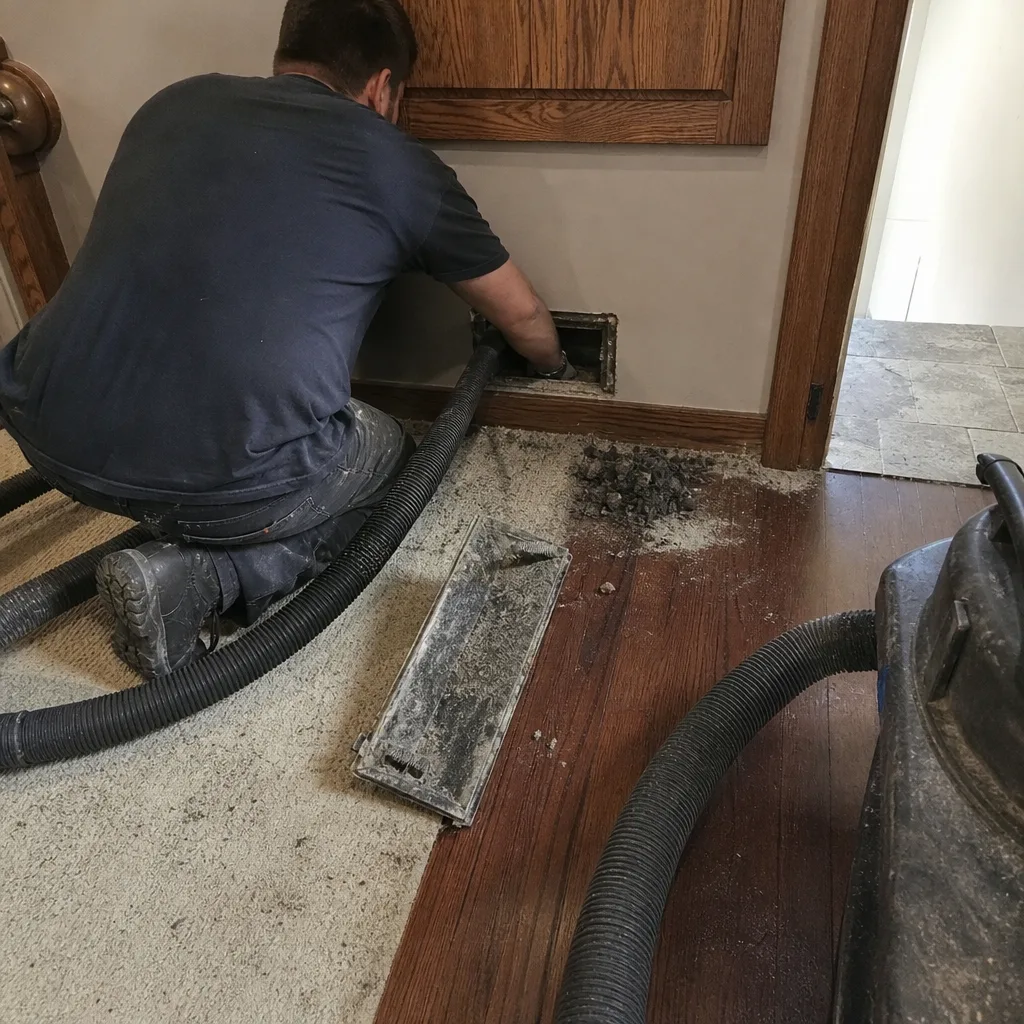 Before
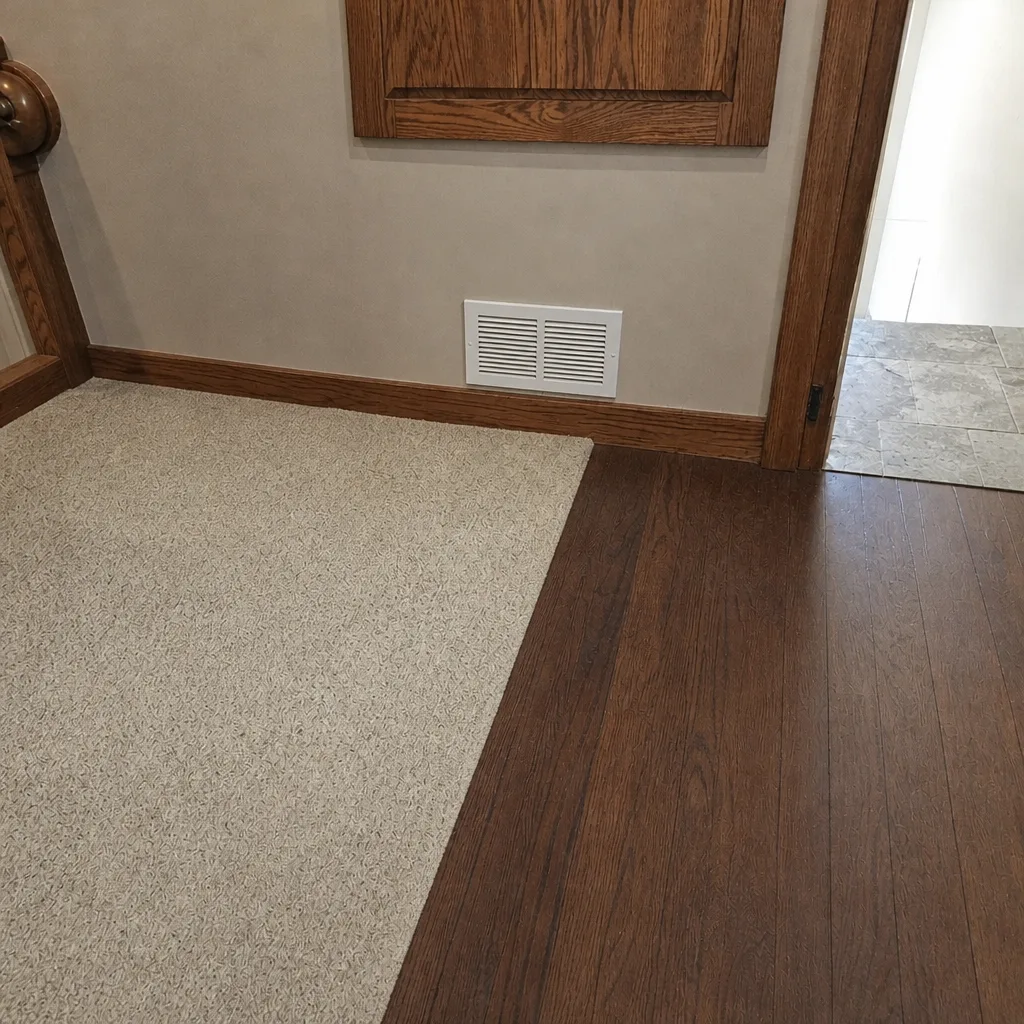 After
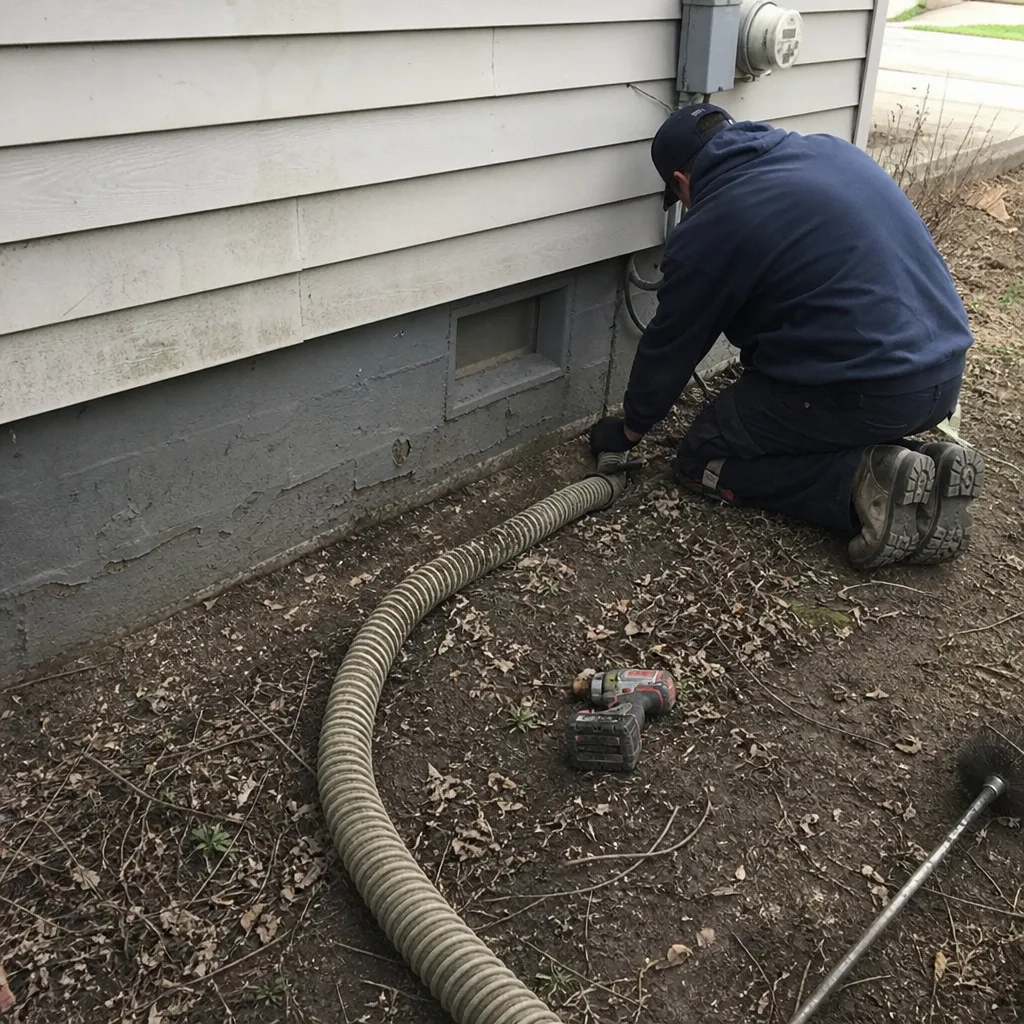 Before
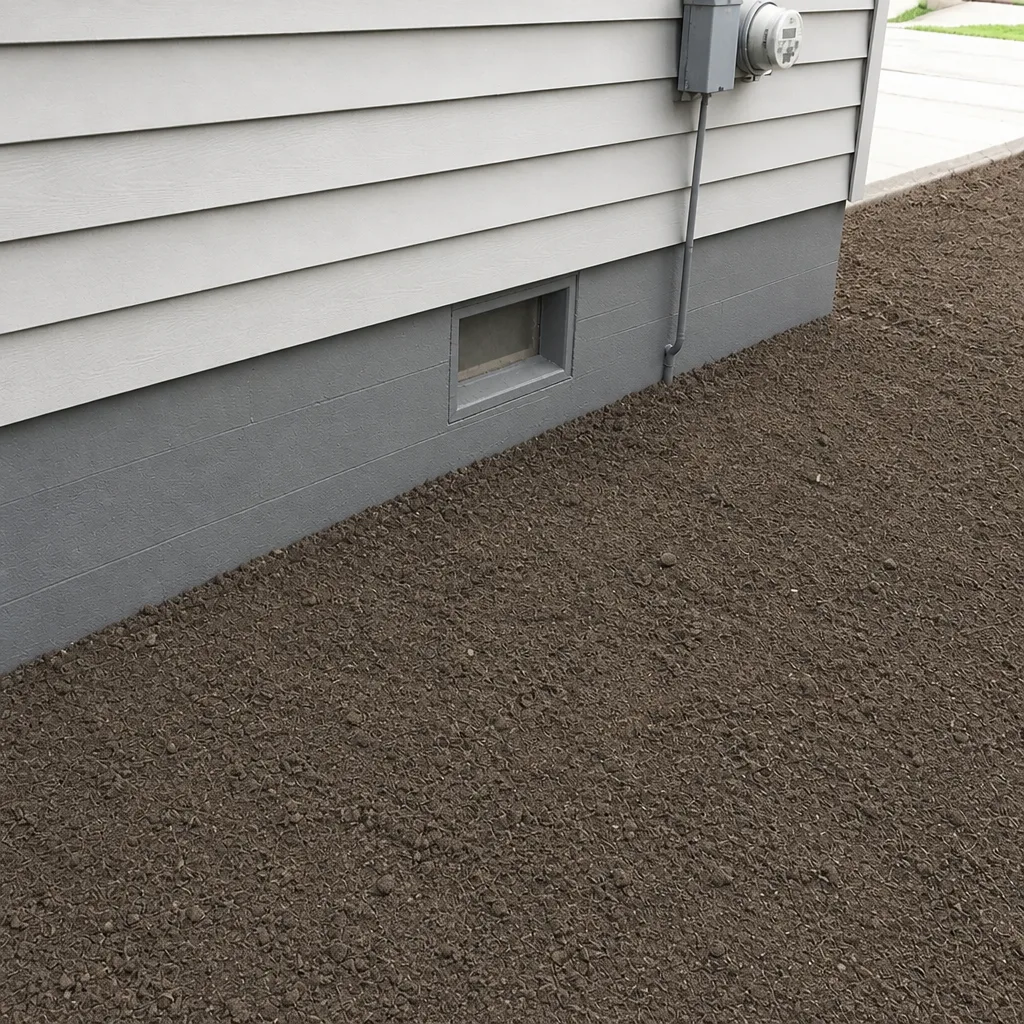 After
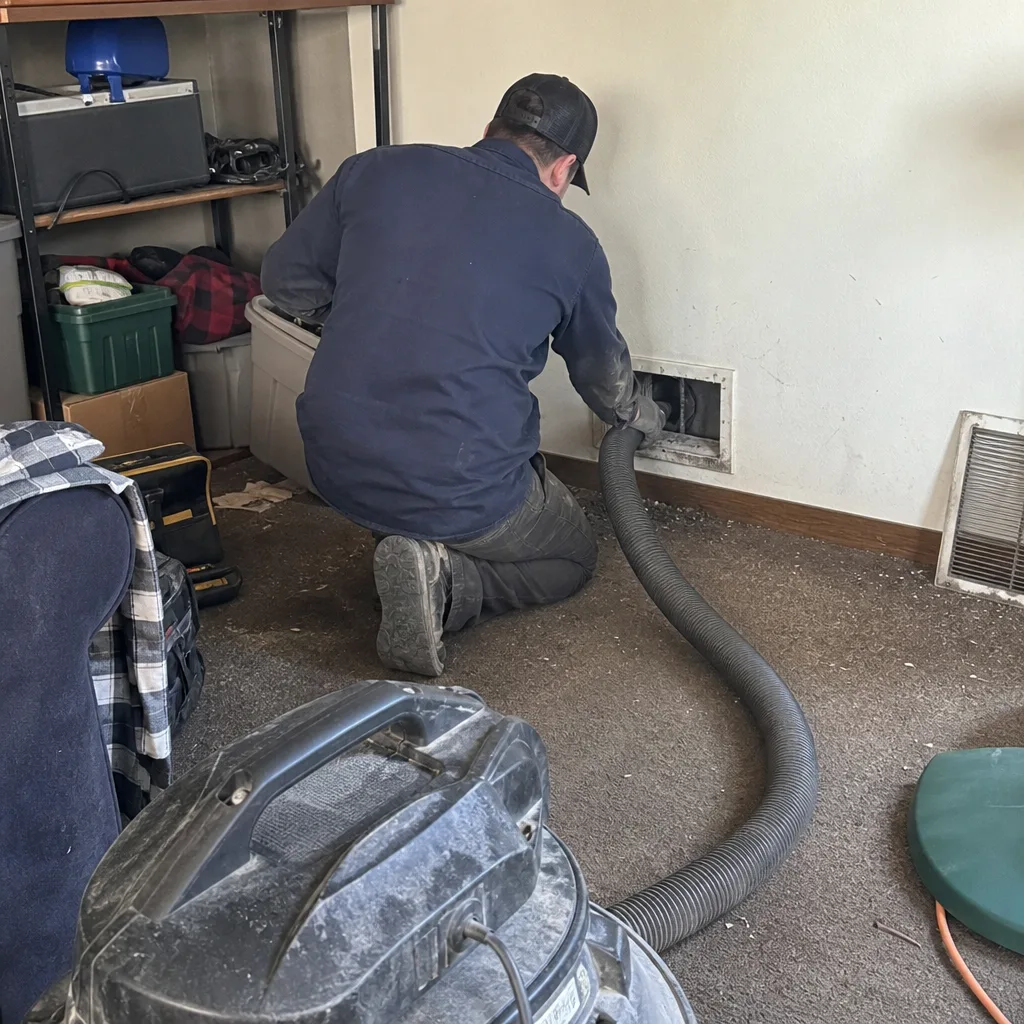 Before
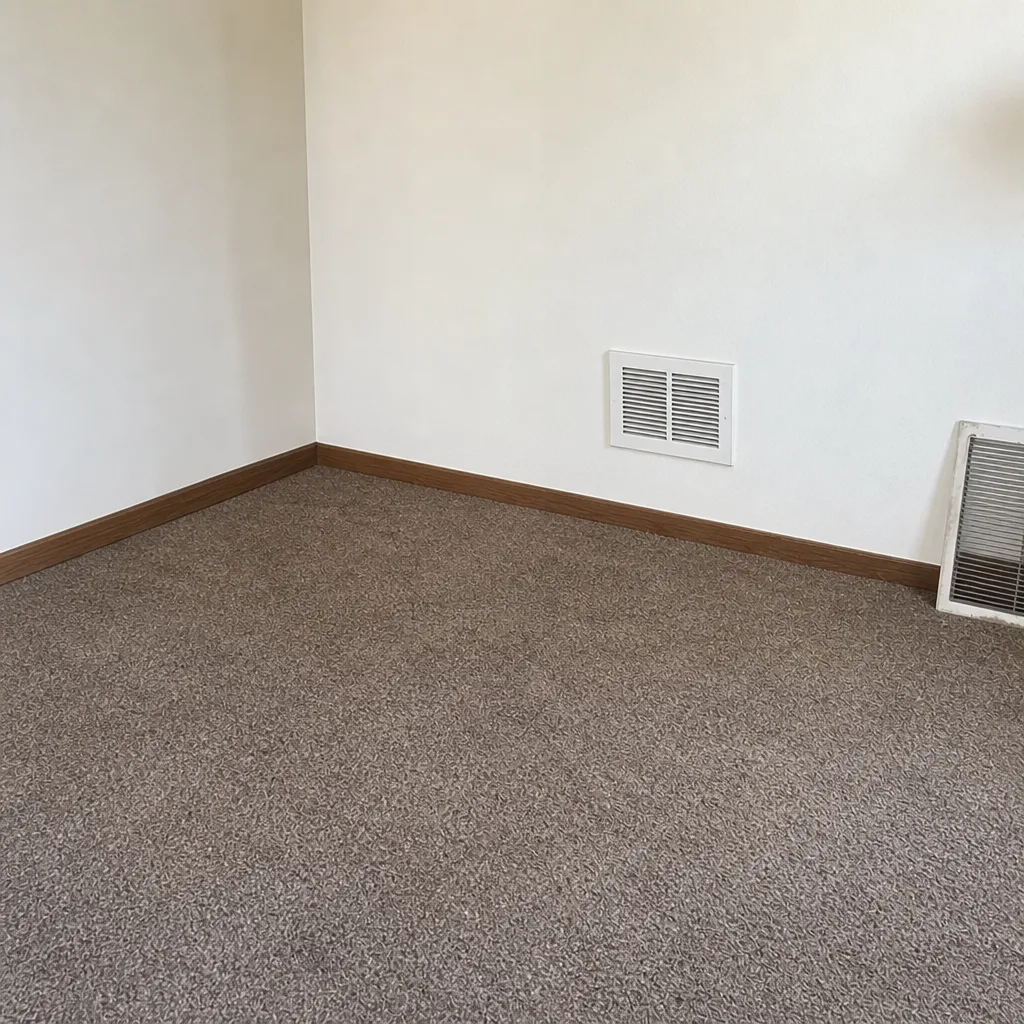 After
When to Call a Professional
Call a professional duct technician when you notice any of the following: a persistent musty smell from a supply register during the cooling season, visible dust puffing from a register at start-up, allergy symptoms that track with the home’s HVAC cycle, a recent animal intrusion in the attic or crawl space with ductwork running through it, a new home purchase where duct history is unknown, or a dryer that now takes noticeably longer to dry a load. Each of these points to either a cleaning, an inspection, or a repair, and often more than one. Duct Cleaning Fort Wayne offers free estimates in Fort Wayne – call (844) 951-3807. We answer 24/7, with fast dispatch from 7am to 7pm, Sunday through Friday. We also handle dryer vent cleaning as a dedicated service, not an upsell tacked onto a duct visit.
Frequently Asked Questions
Most Fort Wayne homes benefit from a full-system cleaning once every 18 to 36 months, with an inspection before each heating and cooling season and filter replacement on the manufacturer’s interval. Homes with allergy sufferers, pets, young children, or older adults fall on the shorter end of the range, and homes without those factors can usually extend to the longer end. The seasonal timing matters more than the exact number – a fall clean before heating season is the highest-value visit for most homes in this climate. Call (844) 951-3807 for an exact quote – estimates are free.
Late September and October are the best window because you clean the system before the furnace runs continuously for five to six months. The freshly cleaned return and supply trunks enter heating season empty, and the filter catches the incoming dust before it settles. A spring or summer clean is cleaning a system mid-cycle, which means the clean has less time before it starts to age again. The fall window also lines up with inspecting seams, boots, and joints before the heating load tests them.
Yes, particularly if you skipped the fall cleaning and the system is entering cooling season with last year’s accumulation still in the return duct. July and August are the highest mold-risk months because the warm, humid airstream cycles through the return duct, the coil, and the drain pan. Cleaning before the first cooling cycle resolves what the previous season left, and the coil and drain pan inspection is what catches the standing-water risk. Call (844) 951-3807 if the timing points to a summer clean.
Air duct cleaning in Fort Wayne is priced per system by a written estimate, not per vent, and the estimate is free. The most common objection – that a low coupon price becomes a much larger invoice once the technician is on site – is one we address directly: one flat price per system, agreed before work starts, with before-and-after photos of your own ducts. Ask any duct cleaner for the same commitment in writing. Call (844) 951-3807 for an exact quote – estimates are free.
Some quotes are cheaper because the equipment is cheaper – a portable consumer-grade vacuum unit at a register can’t match the negative pressure of a Rotobrush or Nikro system working the full trunk from the air handler. Some quotes are cheaper because the scope is smaller, covering only registers rather than the full supply and return system. And some quotes are a teaser that gets expanded on site. Professional-grade equipment, a whole-system scope, and a written flat price are what make a quote comparable. Call (844) 951-3807 for an exact quote – estimates are free.
You know it was done when you receive before-and-after photos of your own ductwork from the technician, when the price is agreed in writing before work begins, and when the visit ends with an inspection of seams, boots, and the coil and drain pan rather than just a charge on a card. That’s the standard to expect on any scheduled air duct cleaning. Ask for the photos and the written estimate – they’re the two documents that make the work verifiable. Call (844) 951-3807 for an exact quote – estimates are free.
Yes. Dryer vent cleaning is a dedicated service and deserves its own timeline, separate from the duct schedule, because the risk profile is different. A clogged dryer vent is a documented residential fire-safety item, and the cleaning is a structural fix, not a cleaning convenience. Most homes with a typical dryer run benefit from a professional clean on a recurring basis, and the frequency depends on lint volume and vent length. Call (844) 951-3807 for an exact quote – estimates are free.
A year-round posture in Fort Wayne looks like this: a full-system cleaning in late September or October going into heating season; filter replacement on the manufacturer’s interval through the winter; a coil and drain pan inspection in April before the cooling season; a July check of the return grilles and a musty-smell check; and dryer vent cleaning on its own schedule. That’s five checkpoints, and most homes have one real cleaning in a year, not five. It’s the rhythm, not the number of visits, that removes the emergency scenario.
The Bottom Line
Fort Wayne’s four seasons each leave a different signature on a duct system, and the timing of a cleaning matters as much as the cleaning itself. The highest-leverage visit for most homes is the fall clean before heating season, paired with a coil and drain pan inspection and a duct-seam check. The most-missed visit is the spring coil inspection before the cooling cycle. And the piece most likely to lapse is the dryer vent, which deserves its own dedicated schedule. Clean it, fix it, protect it, and the emergency cleaning scenario stays off your calendar. Written by the team at Duct Cleaning Fort Wayne.
Get a Free Estimate
Call (844) 951-3807 for a free estimate. We answer 24/7. Fast dispatch from 7am to 7pm, Sunday through Friday. We’re closed Saturdays, and a call on Saturday books into the next opening, Sunday through Friday. Our technicians have up to 14 years of experience, we run Rotobrush and Nikro professional-grade equipment, and we carry Honeywell and Aprilaire products for air-quality improvements after the clean. One flat price per system agreed in writing before work starts, before-and-after photos of your own ducts, and satisfaction guaranteed.
Written by the team at Duct Cleaning Fort Wayne.