
Last updated November 15, 2026
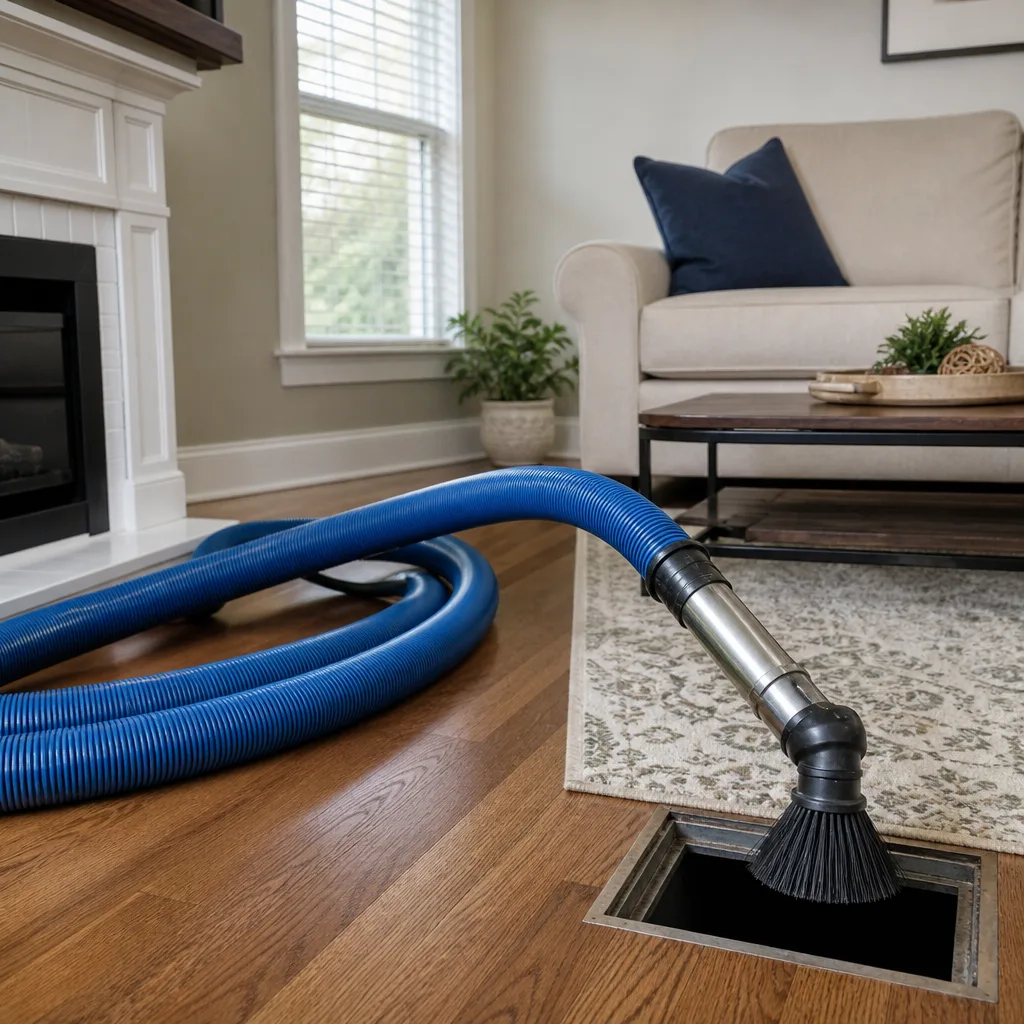 Whole-home duct cleaning
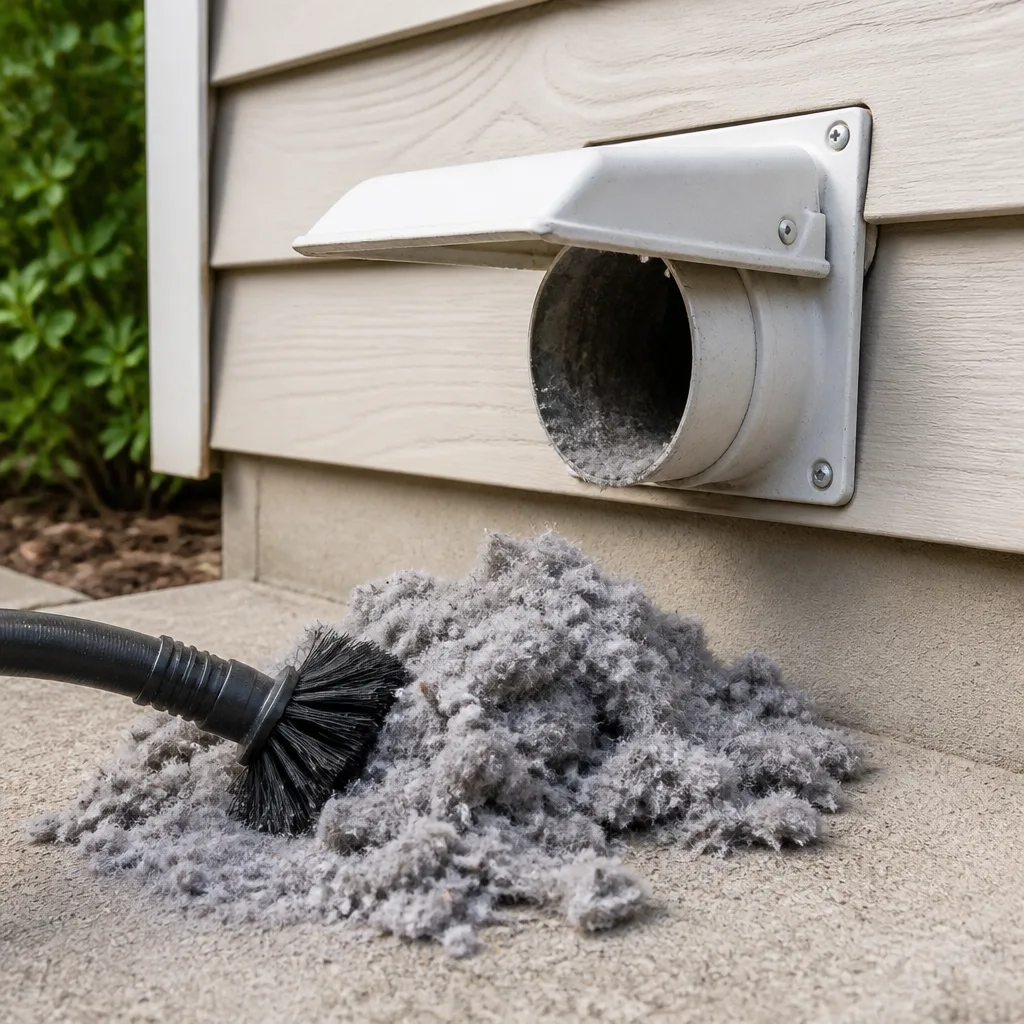 Dryer vent cleaning
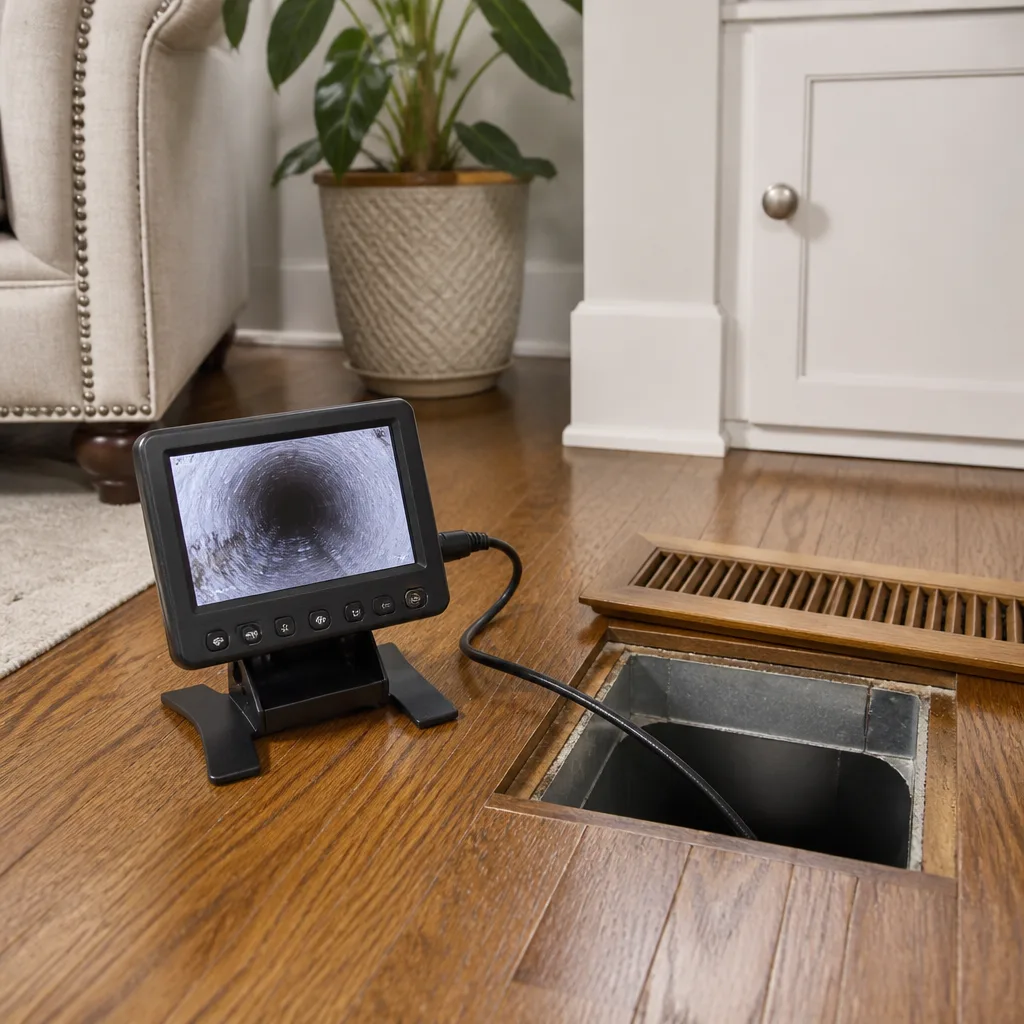 Camera inspection
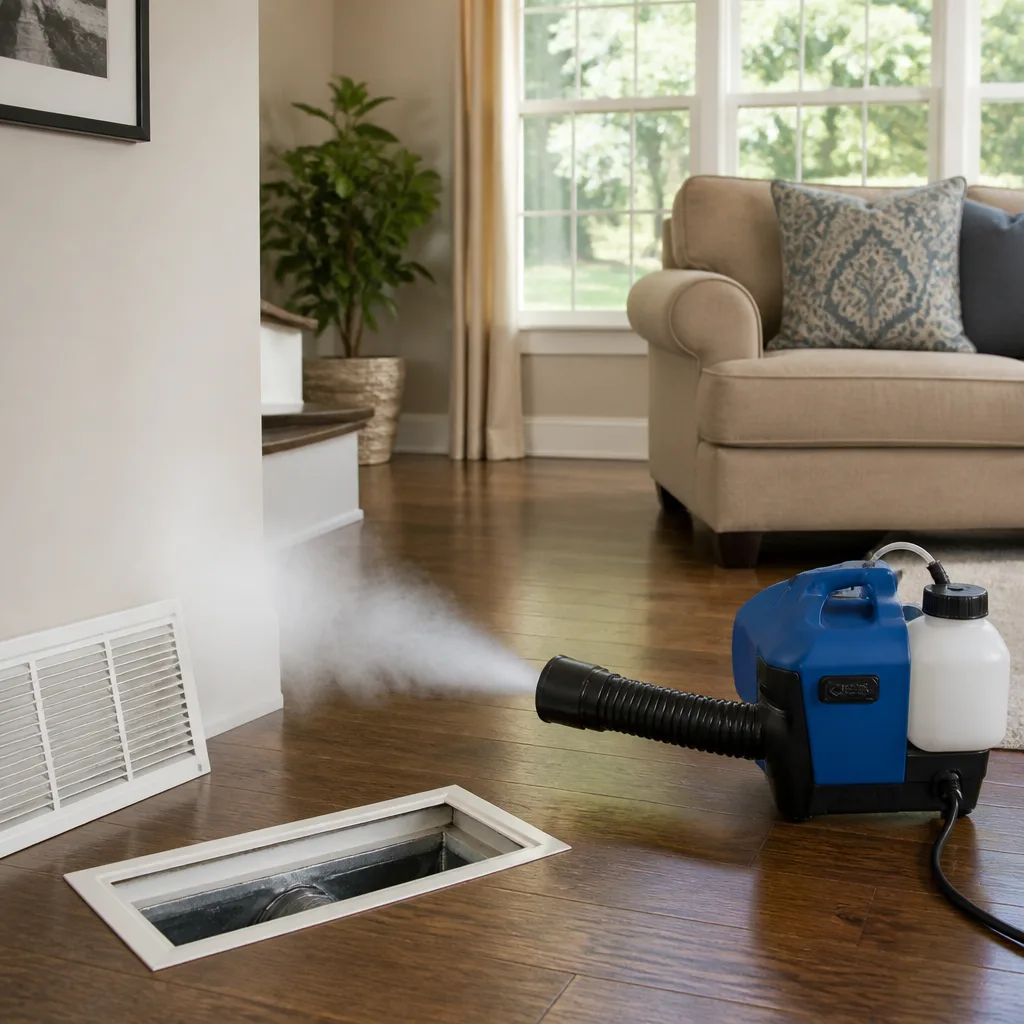 Sanitizing & deodorizing
Whole-system duct and dryer vent check with before-and-after photos - you see exactly what came out of your vents
That "$99 whole-house special" is a bait ad - the real number appears once they are in your hallway, or the "clean" is a shop-vac at the register. We photograph the inside of your ducts before and after instead.
Air Duct Cleaning Permits, Codes & Inspections in Fort Wayne, IN: What You Need to Know
Most homeowners assume duct work never touches a permit. That’s the misconception worth clearing up first. In Indiana, air duct cleaning on its own usually doesn’t require one. But the moment a technician cuts into ductwork, replaces a section, installs an access panel, or seals a disconnected trunk line, the job can cross a line into regulated mechanical work. And when that happens without the right paperwork, the person left holding the liability at resale is usually the homeowner, not the contractor. This guide explains where that line sits in Fort Wayne, who is responsible for pulling permits, how to verify a contractor is licensed for mechanical work, and what to ask for in writing when repair happens alongside a cleaning visit.
Quick Answer
Air duct cleaning itself is generally not a permitted activity in Indiana, but any repair, modification, or replacement of ductwork is treated as mechanical work under state and local code. In Fort Wayne and Allen County, duct alteration that falls into that category typically requires a permit pulled by a licensed mechanical contractor, and the permit holder is responsible for the work meeting code. If you’re only having ducts cleaned, expect no permit. If the job involves cutting, joining, or replacing duct sections, ask who is pulling the permit before work starts.
Styles & brands we work with
- Whole-home duct cleaning
- Dryer vent cleaning
- Camera inspection
- Sanitizing & deodorizing
Table of Contents
- Where Cleaning Stops and Regulated Repair Begins in Indiana
- Fort Wayne and Allen County Permit Requirements for Duct Work
- Why Unpermitted Duct Repair Becomes Your Problem at Resale
- How to Verify a Contractor Is Licensed for Mechanical Work
- What to Request in Writing When Repair Happens With Cleaning
- What Inspections Actually Look At
- Fort Wayne Housing, Climate, and the Duct Issues We See Most
- What a Legitimate Cleaning Visit Looks Like
Where Cleaning Stops and Regulated Repair Begins in Indiana
The distinction matters because it determines whether a permit is involved and whether the person doing the work needs a mechanical license. Cleaning is one thing. Changing the physical system is another.
Air duct cleaning is the removal of accumulated debris, dust, and biological growth from inside the existing duct system without altering that system. Technicians use negative-pressure vacuums, rotary brushes, and compressed air to loosen and extract material. Nothing gets cut. Nothing gets joined. The ducts come out the other side exactly as they went in, only cleaner.
Duct repair changes that. Under Indiana’s mechanical code framework, work that involves any of the following is generally treated as mechanical work:
- Cutting into rigid ductwork or flex duct to remove a damaged section
- Replacing a collapsed or torn flex run
- Reconnecting a duct that has come loose from a boot, plenum, or trunk line
- Installing a new access panel or service opening where none existed
- Applying mastic or sealant to joints as part of a sealing project
- Resizing, rerouting, or adding a duct run
The line isn’t about how big the repair is. It’s about whether the system is physically altered. A technician who reaches into a duct to clear a blockage from the outside hasn’t modified anything. A technician who cuts out a bad section and splices in new duct has. That second scenario is where permits and licensing enter the picture, and where homeowners need to start asking questions.
Fort Wayne and Allen County Permit Requirements for Duct Work
Permit rules live at the local level. Allen County and the City of Fort Wayne each maintain building departments that administer and enforce permits for mechanical work, and the specific trigger for a duct-related permit depends on the scope of the alteration.
Here’s the general pattern we recommend homeowners follow:
- Confirm what’s being done. Ask the contractor to describe the scope in plain terms: cleaning only, or cleaning plus repair? Get it in writing.
- Ask whether a permit is required for that specific scope. A licensed mechanical contractor should know, and should tell you without hesitation.
- Ask who pulls it. In most jurisdictions, the licensed contractor pulls the permit. A homeowner can sometimes pull their own, but that shifts the compliance responsibility onto them.
- Verify before work starts. If a permit is required and hasn’t been pulled, don’t authorize the work.
- Get the inspection scheduled. Permitted work is inspected. The contractor should handle the scheduling.
Fort Wayne’s older housing stock, particularly in neighborhoods like West Central and the near-northside blocks, tends to have duct systems that have been modified multiple times over the decades. Pieces get added. Runs get capped. Homeowners sometimes inherit a system with no documentation of any of it. That’s a situation where a clean-and-repair visit is likely to turn up enough alteration to warrant a permit discussion. It’s also a situation where an unlicensed repair, even a small one, creates a paper trail gap that can come back at inspection.
If you’re unsure whether your project needs a permit, call the City of Fort Wayne’s building department or Allen County’s permitting office directly and describe the work. A five-minute phone call answers the question definitively.
Why Unpermitted Duct Repair Becomes Your Problem at Resale
This is the part homeowners tend to learn about later than they’d like. When a contractor performs unpermitted mechanical work, the permit record shows nothing. The work itself may be fine. The problem is that nobody can prove it later.
When you sell a home in Fort Wayne, a buyer’s inspector will look at the HVAC system and the visible ductwork. If they spot a spliced-in section of duct that isn’t on any permit record, the question gets asked. If the seller can’t produce documentation, the buyer often asks for a credit, a re-inspection by a licensed contractor, or both. Sometimes a closing gets delayed while the work is verified.
The core issue is traceability. A permitted job leaves a record. That record names the licensed contractor, describes the scope, and confirms an inspection happened. An unpermitted job leaves nothing but the physical work itself, and the contractor who did it may be long gone by the time anyone asks.
- Permitted work = documented scope, named licensed contractor, inspection record, clean paper trail.
- Unpermitted work = no record, unclear who did it, no way to verify quality without paying a new contractor to inspect.
The practical fix is to ask before work begins. If a cleaning visit turns up a repair that involves altering the duct system, the right answer from the contractor is a conversation about permits, not a quick patch while they’re already there. Ask what permits apply. Ask who pulls them. Ask for the paperwork. If the contractor resists any of those questions, that’s useful information about how the rest of the job will go.
How to Verify a Contractor Is Licensed for Mechanical Work
Indiana requires mechanical contractors to hold a valid state license to perform work on HVAC and duct systems. Verifying that license takes about five minutes and it’s the single most important check before authorizing any repair.
Here’s the process:
- Ask for the license number. A legitimate mechanical contractor should be able to produce it immediately, without hesitation. If they can’t, stop.
- Check the Indiana Professional Licensing Agency database. The state maintains an online look-up for licensed contractors, including mechanical licenses. Enter the number or business name and confirm the license is active.
- Confirm the license class covers the work. Mechanical licensing in Indiana has scope categories. The license should cover HVAC and duct system work, not just plumbing or general contracting.
- Ask for proof of insurance. A licensed contractor should carry both general liability and workers’ compensation. Ask for a certificate of insurance naming you, the homeowner, as certificate holder if you want to be thorough.
- Cross-check with the city. If the contractor claims to be registered with the City of Fort Wayne, that’s verifiable through the building department too.
One more thing to look for: the license should be tied to the business name on your estimate. Some contractors operate under a licensed qualifier and subcontract out the actual work. That’s not inherently a problem, but you want to know who’s physically doing the repair and that they’re covered by the license.
Fort Wayne has a healthy contractor scene, which means a homeowner can afford to be selective. If a contractor fumbles on the license verification question, there are others who won’t. We’d rather you check than assume.
What to Request in Writing When Repair Happens With Cleaning
Any time a single visit involves both cleaning and repair, the paperwork needs to be specific about both. Here’s what we recommend homeowners ask for before the work starts:
- A written scope of work. Separate lines for cleaning and repair. What sections are being cleaned, what sections are being repaired, and what the repair involves.
- Materials specification. What kind of duct material is being used for any replacement. Rigid vs. flex, R-value if applicable, and brand where relevant.
- Permit status in writing. A line on the estimate that states whether a permit is required for the scope and, if so, who is pulling it and the permit number when issued.
- License number on the estimate. Standard practice for licensed contractors.
- Before-and-after photos. Requested in advance, not promised after the fact. Photos of your own ducts, not stock images.
- Inspection schedule if a permit is involved. Who calls, who’s present, what happens if the inspector flags something.
- Flat pricing per system. Not per vent, not per hour. A single price for the cleaning and a separate price for the repair, agreed before work starts.
None of these requests are unusual. Licensed mechanical contractors expect them. The quality of the response tells you a lot about the quality of the operation. This is also where the equipment question matters. When a company brings contractor-grade tools like Rotobrush or Nikro into the conversation and can explain why, they’ve usually thought through the whole process, including documentation. Our technicians have up to 14 years of experience with these systems and with the Fort Wayne housing stock they’re working inside.
What Inspections Actually Look At
If a permit gets pulled, an inspection follows. Homeowners often don’t know what the inspector is checking, which makes the process feel opaque. Here’s the short version.
The mechanical inspector is confirming that the alteration meets code for safe operation and that it doesn’t create hazards. On a duct-related permit, that usually means:
- Connections are sealed and secure. Joints aren’t taped loosely or left open. Duct tape alone often fails inspection; mastic and proper fittings do better.
- Material is appropriate for the application. Correct duct material for the run, meaning flex isn’t used in places where rigid duct is required, and insulation values meet code for the location.
- Support and routing are correct. Ducts in unconditioned spaces like attics and crawl spaces are supported properly and don’t sag or compress in ways that restrict airflow.
- Clearances are respected. Ductwork stays clear of heat sources and maintains required clearance from combustibles.
- The permit matches the work. The inspector verifies that what was actually installed matches what was permitted.
Inspections are usually scheduled by the permit holder and take place within a few days of the work being completed. The contractor should be on site for the inspection. If they hand that responsibility to the homeowner, that’s another signal about how they operate.
For Fort Wayne homeowners who are having substantial duct work done as part of a larger HVAC project, the inspection may be folded into a broader mechanical inspection covering the whole system. If you’re not sure, ask.
Fort Wayne Housing, Climate, and the Duct Issues We See Most
Local conditions shape what shows up in a duct system. Fort Wayne’s mix of housing ages, from mid-century ranches to older two-stories to newer builds, means the ductwork varies a lot from house to house, and so do the permit questions.
Three patterns come up repeatedly:
- Retrofitted systems in older homes. Homes built before central air was standard often had ducts added later, sometimes by contractors who took shortcuts. A cleaning visit can uncover a run that was cut in with no permit record, no support, and questionable sealing.
- Cold-climate condensation and dust. Fort Wayne winters push heated air through duct systems hard, and cold attic runs can sweat and collect debris. That accumulation often points to air leaks that need repair, not just cleaning.
- Flex duct added during renovations. Kitchens and additions often got new flex runs tacked onto the existing system. If those aren’t supported properly, they collapse. That’s an alteration that should have been permitted.
When we walk into a Fort Wayne home, the question we’re usually answering first is whether the visible ductwork reflects a clean, well-documented system or a patchwork. The answer determines whether the visit stays an air duct cleaning job or becomes a cleaning-plus-repair conversation. Either way, we tell you up front what the scope is and what it involves.
One related system worth bringing up in any whole-home air quality conversation: dryer vents. They’re not HVAC ducts, but they’re a documented fire-safety component of the home. If you’re already having the duct system serviced, a look at the dryer vent at the same visit makes practical sense. You can see what that service covers on our dryer vent cleaning page.
What a Legitimate Cleaning Visit Looks Like
Since the permit question usually comes up as part of a cleaning visit, it’s worth spelling out what a proper cleaning visit involves, so you can compare it to what a contractor proposes.
A legitimate duct cleaning visit follows a fairly standard sequence:
- Inspection first. The technician walks the system before touching anything, identifies damaged sections, disconnections, and signs of moisture or biological growth.
- Negative pressure set up. A high-powered vacuum, typically contractor-grade equipment, is connected to the system to create negative pressure and capture debris.
- Mechanical agitation. Rotary brushes and compressed air loosen debris from the inside walls of the ducts, working the length of each run.
- Source removal. Debris is pulled out of the system, not just dislodged into the living space.
- Post-clean inspection. Photos of the duct interiors before and after are standard. Ask for them if they’re not offered.
- Air quality treatment where needed. For homes with persistent contamination issues, treatment products come into play after the cleaning.
The equipment matters. Portable consumer-grade units that fit in a van and cost a fraction of contractor equipment can clean the surface of ducts but often don’t move enough air to clear a full residential system. Contractor equipment from Rotobrush and Nikro is built for the volume and back-pressure of a real duct system. When you’re interviewing contractors, the question “what equipment do you use?” is a fair one, and so is the follow-up: “why that equipment?”
Where cleaning turns up a repair, the scope changes. That’s the moment to bring up permits and licensing again. A cleaning-only visit that suddenly includes duct repairs without a documented conversation about permits is a red flag. The right answer is to pause, describe the repair, discuss whether a permit is needed, and document it. On our side, we carry a dedicated air duct repair service because repair and cleaning belong together, not because we’re looking for something to upsell mid-visit.
Common Mistakes to Avoid
- Assuming no permit is ever needed. Cleaning alone doesn’t warrant one, but duct repair, replacement, and sealing often do. Asking up front saves trouble later.
- Not verifying the mechanical license. Indiana requires it, and the state database makes it easy to check. Five minutes of work prevents a lot of problems.
- Letting a cleaning visit escalate into repair without a written scope change. If the job grows, the paperwork should grow with it.
- Accepting photographs from a phone screen instead of your own ducts. Before-and-after photos of your system are the standard. Ask for them explicitly.
- Basing the decision on price alone. Some quotes are cheap because the equipment, licensing, and permits aren’t in them. The gap shows up later.
- Not asking who pulls the permit. If you pull it as a homeowner, the compliance burden shifts to you. Know which role you’re playing.
- Not documenting the state of the duct system before work starts. A few photos of your own, taken before any technician arrives, give you a baseline to compare against.
See the difference
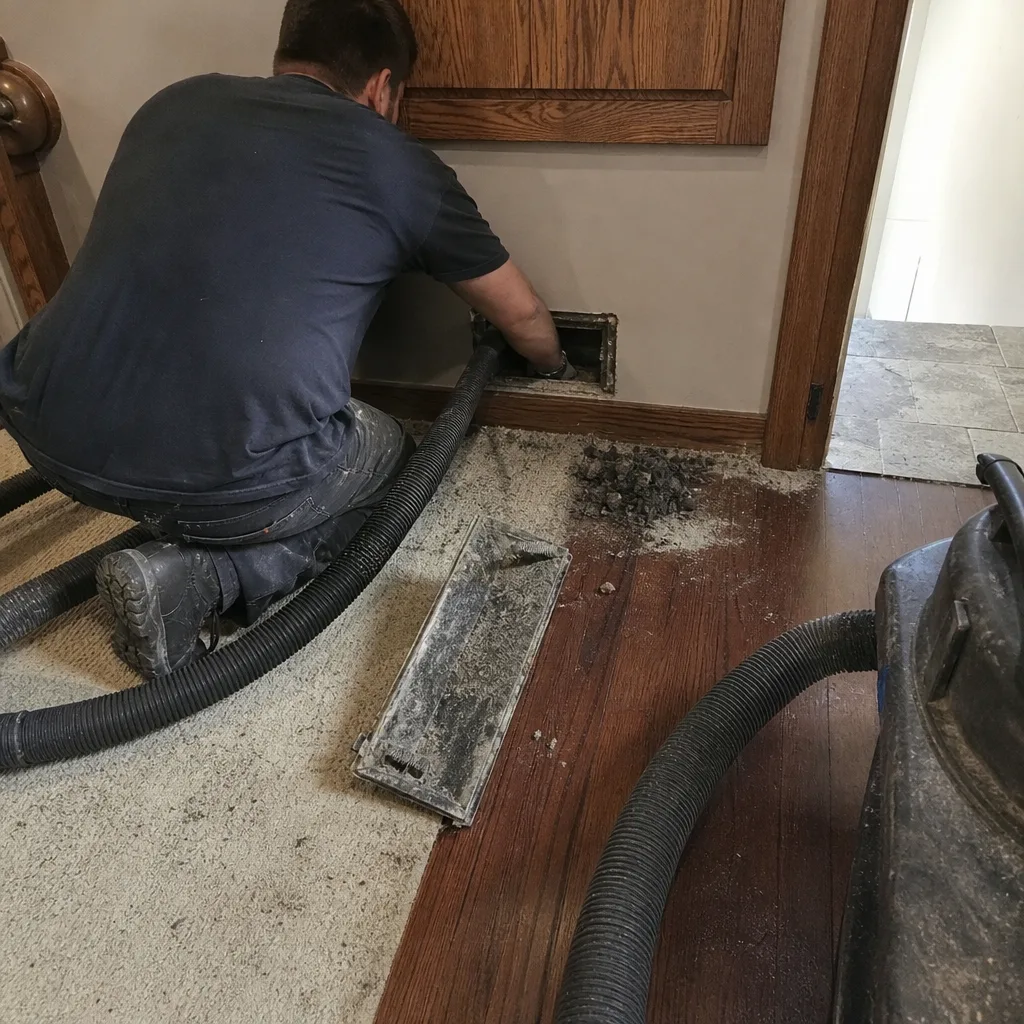 Before
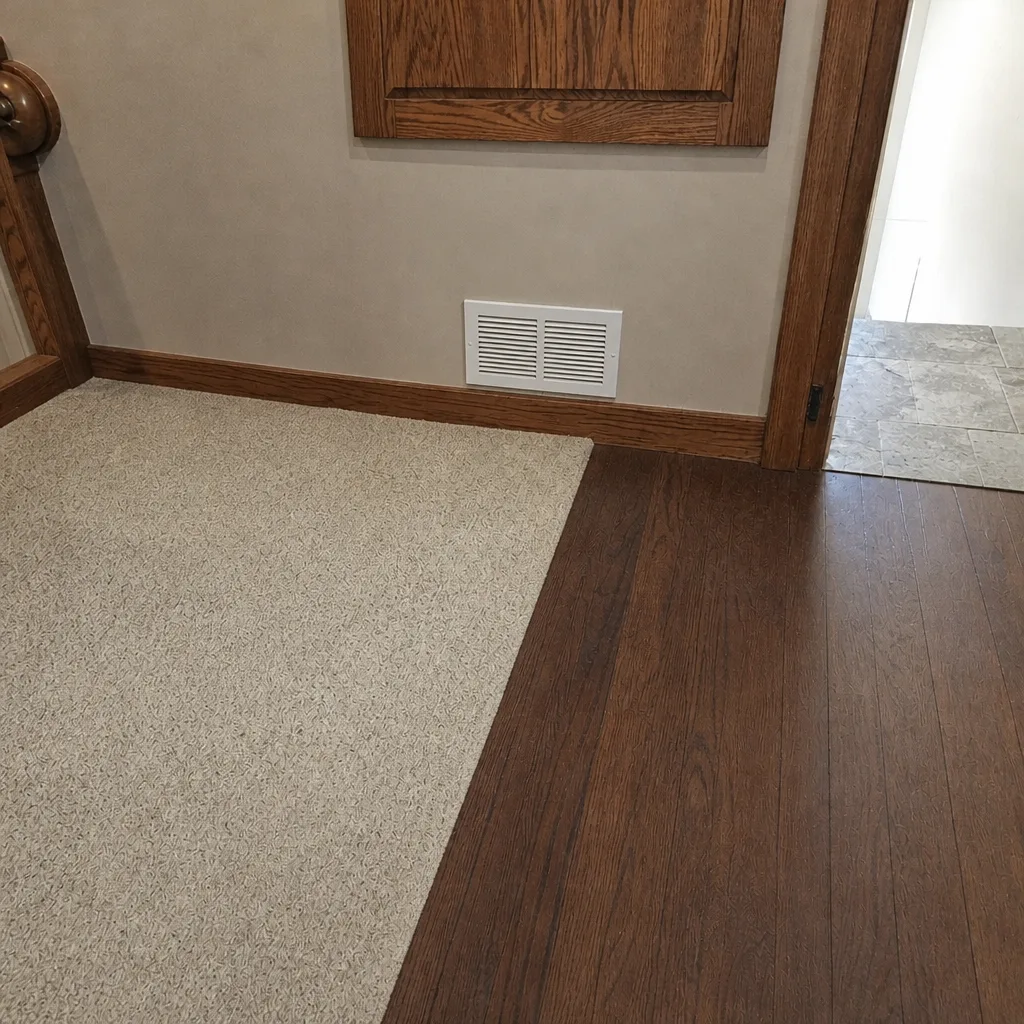 After
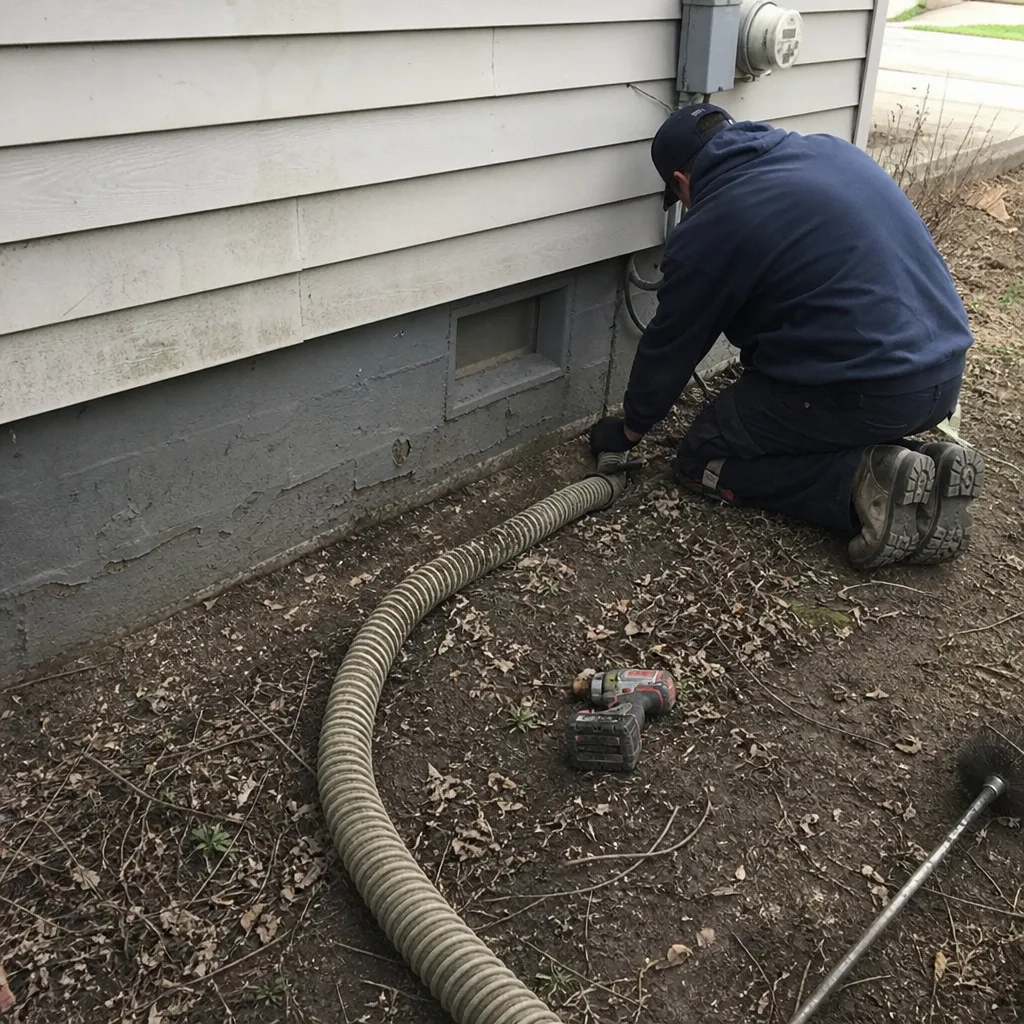 Before
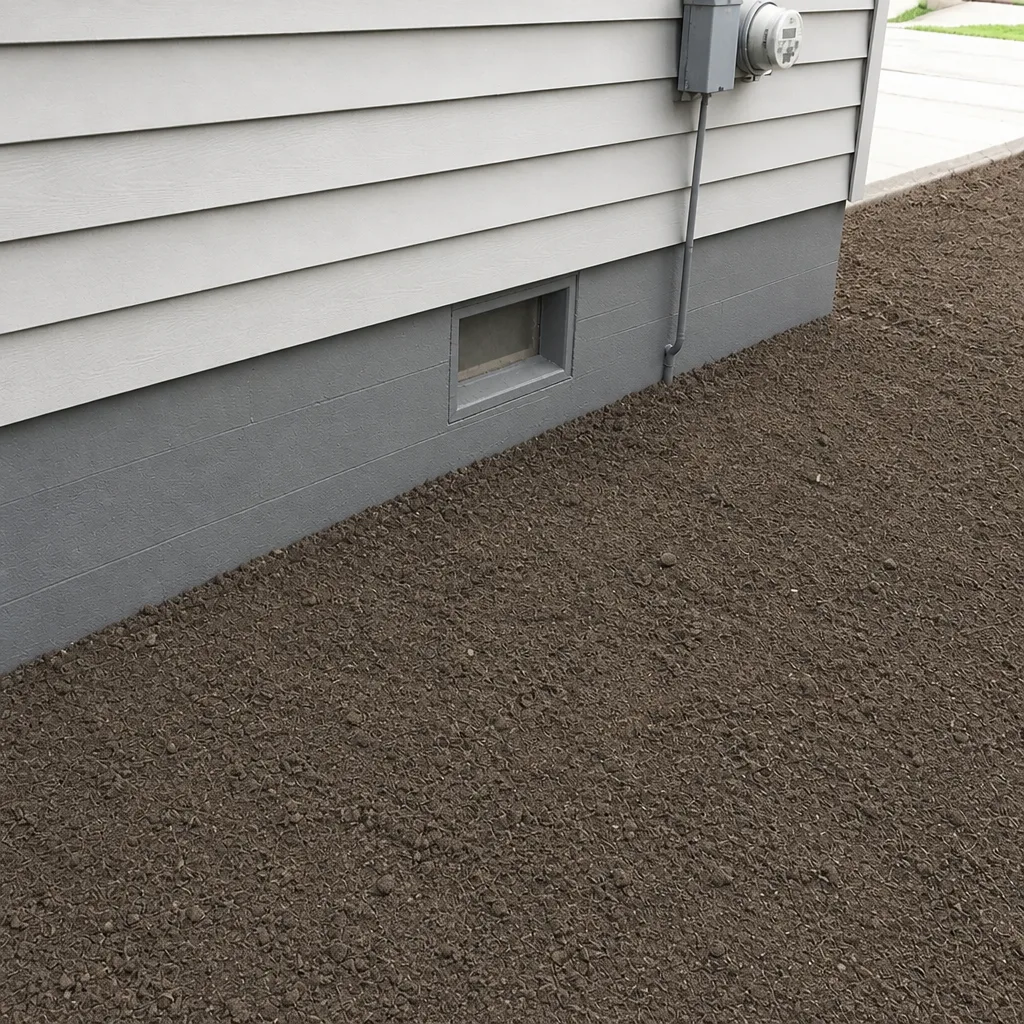 After
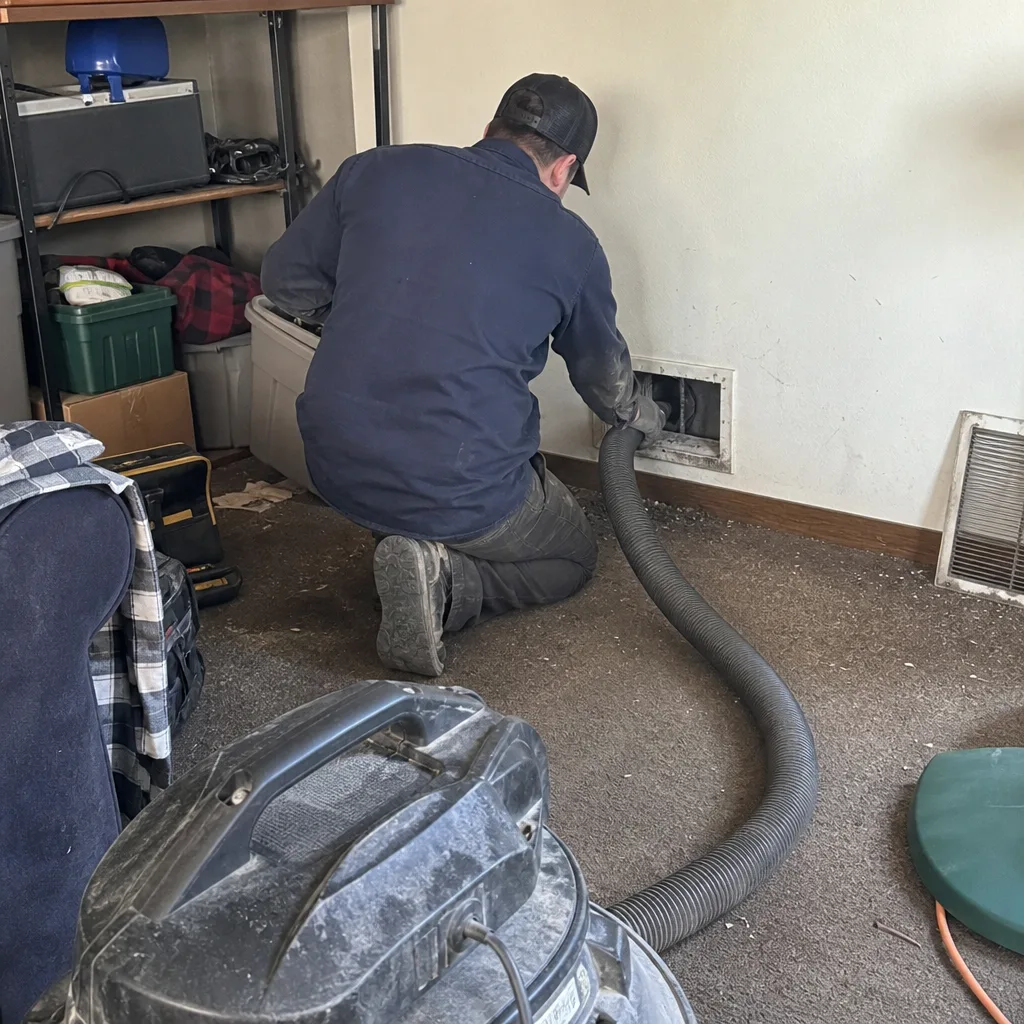 Before
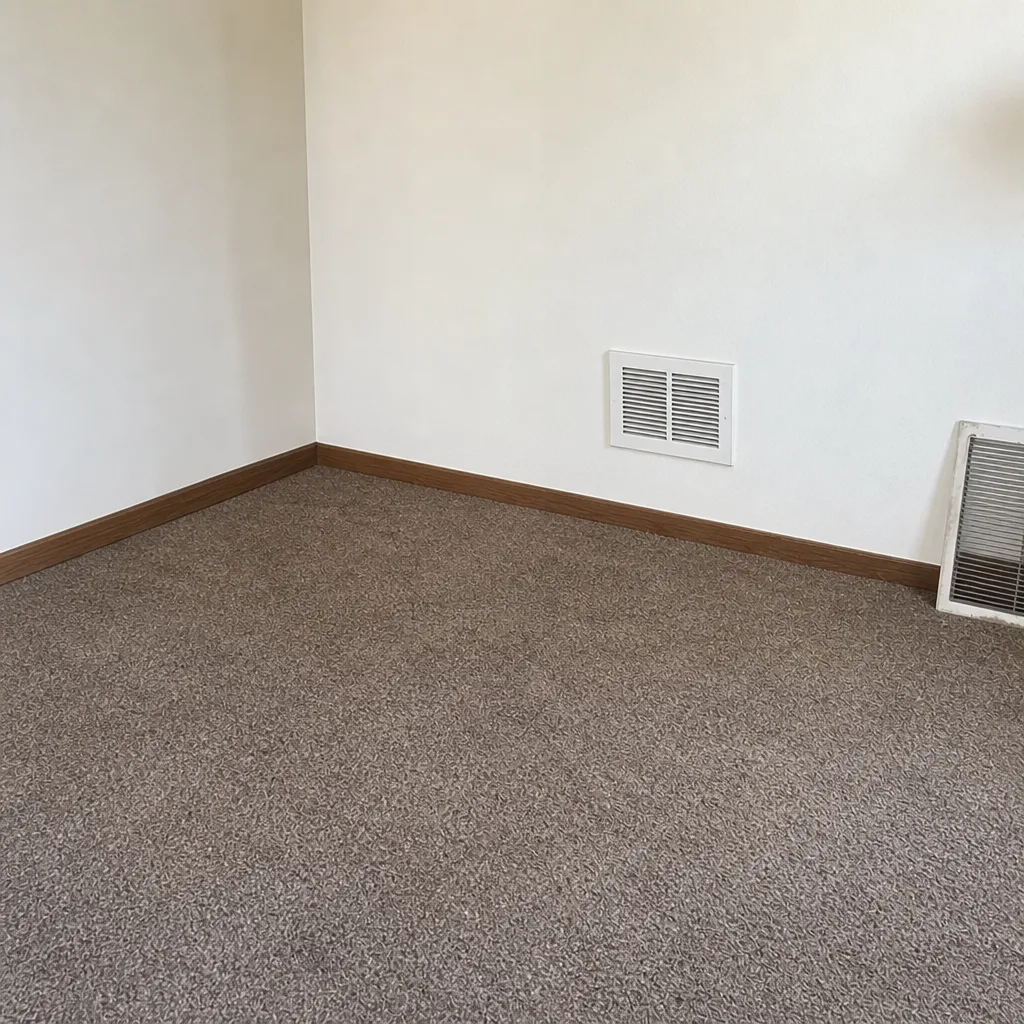 After
When to Call a Professional
Call a professional when the duct system needs more than cleaning: visible disconnections, collapsed flex runs, evidence of rodent or pest intrusion, condensation on duct surfaces, or a system that’s never been inspected and is now producing uneven airflow or dust problems. Call a professional before you authorize a repair as part of a cleaning visit, so you can ask the permit and license questions up front. In Fort Wayne, Duct Cleaning Fort Wayne offers free estimates for both cleaning and repair, and our technicians are licensed to handle mechanical work that requires permits. Call (844) 951-3807 for an exact quote.
If what you’re facing is more of a “the system needs a bake-out and the dryer vent is overdue” situation than a specific repair, our team can walk through the whole scope on a site visit. Same number.
Frequently Asked Questions
Not on its own. Cleaning that removes debris without altering the physical duct system generally doesn’t require a permit in Fort Wayne or Allen County. Once the work involves cutting, replacing, or reconnecting duct sections, it typically becomes mechanical work that does require a permit pulled by a licensed mechanical contractor. If you’re unsure which category your job falls into, describe it to the contractor and ask them to state the permit status in writing. Call (844) 951-3807 for an exact quote.
In most jurisdictions, including Fort Wayne, the licensed mechanical contractor pulls the permit. That’s also the arrangement that puts the compliance responsibility on the licensed party. A homeowner can pull their own permit in some cases, but doing so shifts the inspection and documentation responsibility onto the homeowner. If a contractor suggests that you pull the permit, ask why. Estimates are free; call (844) 951-3807 to schedule one.
Ask for the license number and verify it against the Indiana Professional Licensing Agency database. Look for a license class that covers HVAC and duct work, not just general contracting. Ask for a certificate of insurance as well. Our technicians have up to 14 years of experience and we work under a mechanical license, so all of that is available on request. Call (844) 951-3807 for an exact quote on your job.
It can. Unpermitted mechanical work leaves no permit record and no inspection documentation. At resale, a buyer’s inspector who sees altered ductwork with no record may ask for verification, which often means paying another licensed contractor to inspect the work. That can delay closing or shift cost to the seller. Getting the permit pulled at the time of repair is the cheaper path. Call (844) 951-3807 for a free estimate.
For most Fort Wayne homes, every three to five years is reasonable, and more often if you have pets, allergy sufferers, recent renovations, or a duct system that has accumulation issues. If you’ve recently moved into a home and don’t know its duct history, an inspection-first cleaning visit is the right starting point. We can look at your system and tell you honestly what it needs. Call (844) 951-3807 for an exact quote.
Request a written scope of work that separates cleaning and repair, materials specifications, permit status in writing, the contractor’s license number, before-and-after photos of your own ducts, and a flat price per system agreed before work starts. Also ask who schedules the inspection if a permit is pulled. All of that should be standard. Estimates are free; call (844) 951-3807 to schedule one.
The Bottom Line
Air duct cleaning in Fort Wayne rarely requires a permit, but duct repair usually does. The line between the two is whether the physical system gets altered, and that line matters because it determines who is licensed, who pulls the permit, and who carries the liability later. Before authorizing any repair, verify the contractor’s mechanical license, ask about the permit in writing, and insist on a scope that separates cleaning from repair. A cleaning visit that stays a cleaning visit is simple. A cleaning visit that becomes a repair needs the paperwork to match. Our team at Duct Cleaning Fort Wayne works under a mechanical license, uses Rotobrush and Nikro equipment, and documents every job with before-and-after photos. If you’d like an honest read on what your system needs, call Fort Wayne‘s duct specialists at (844) 951-3807. We answer 24/7. Fast dispatch from 7am to 7pm, Sunday through Friday. Estimates are free.
Written by the team at Duct Cleaning Fort Wayne.