
Last updated November 15, 2026
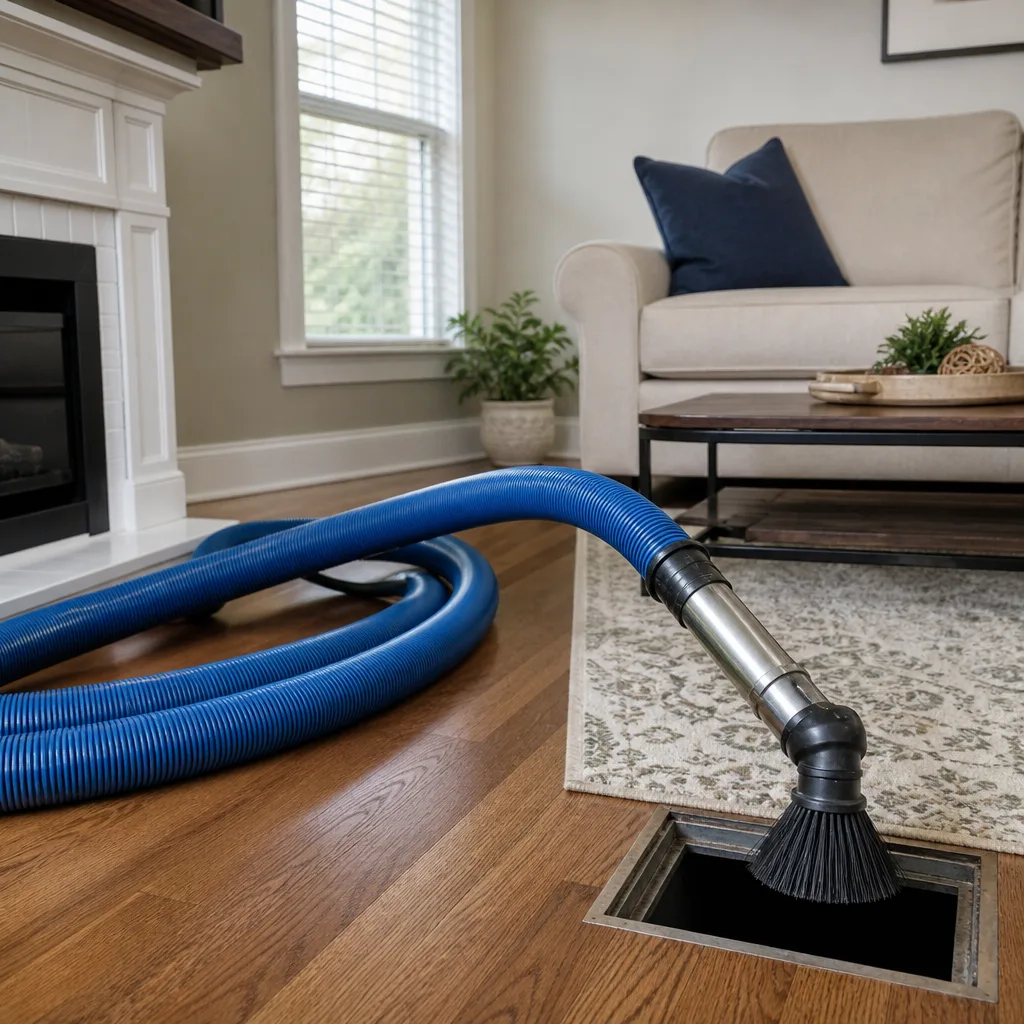 Whole-home duct cleaning
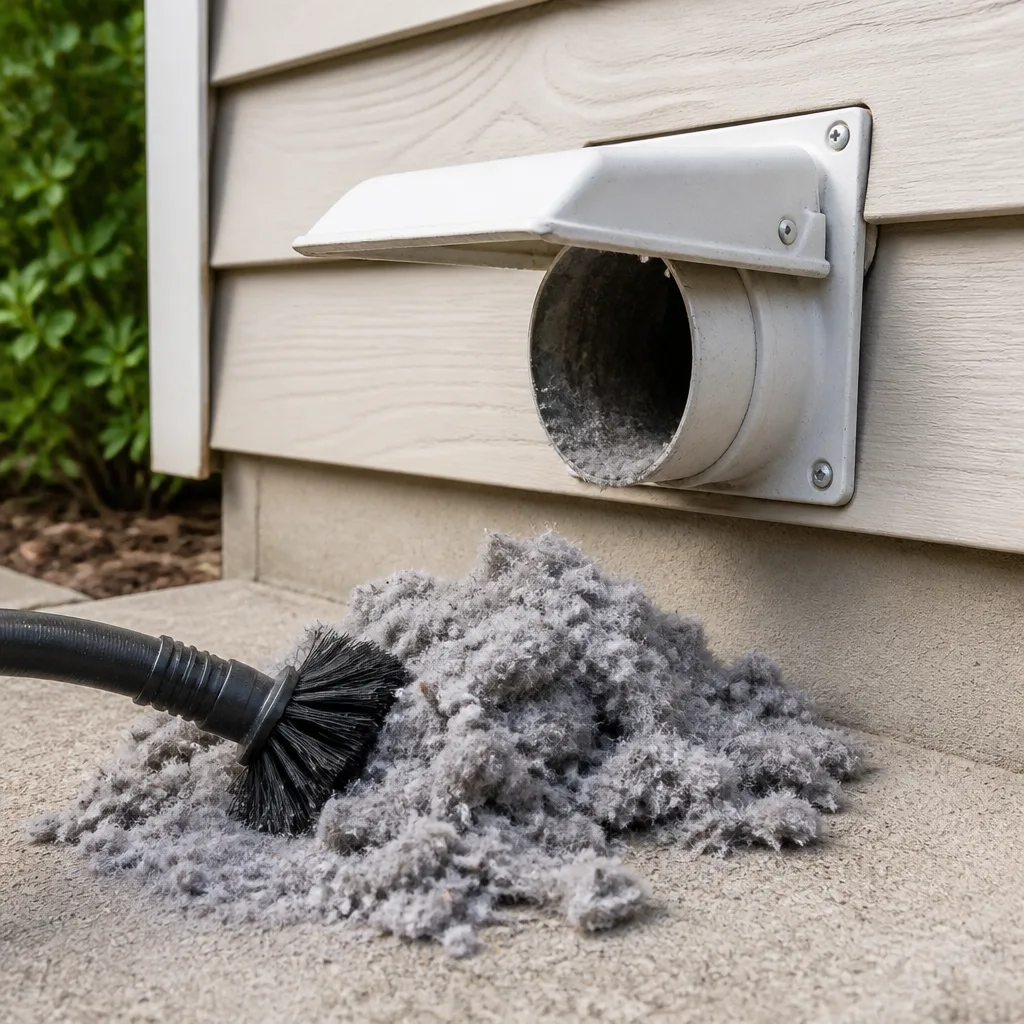 Dryer vent cleaning
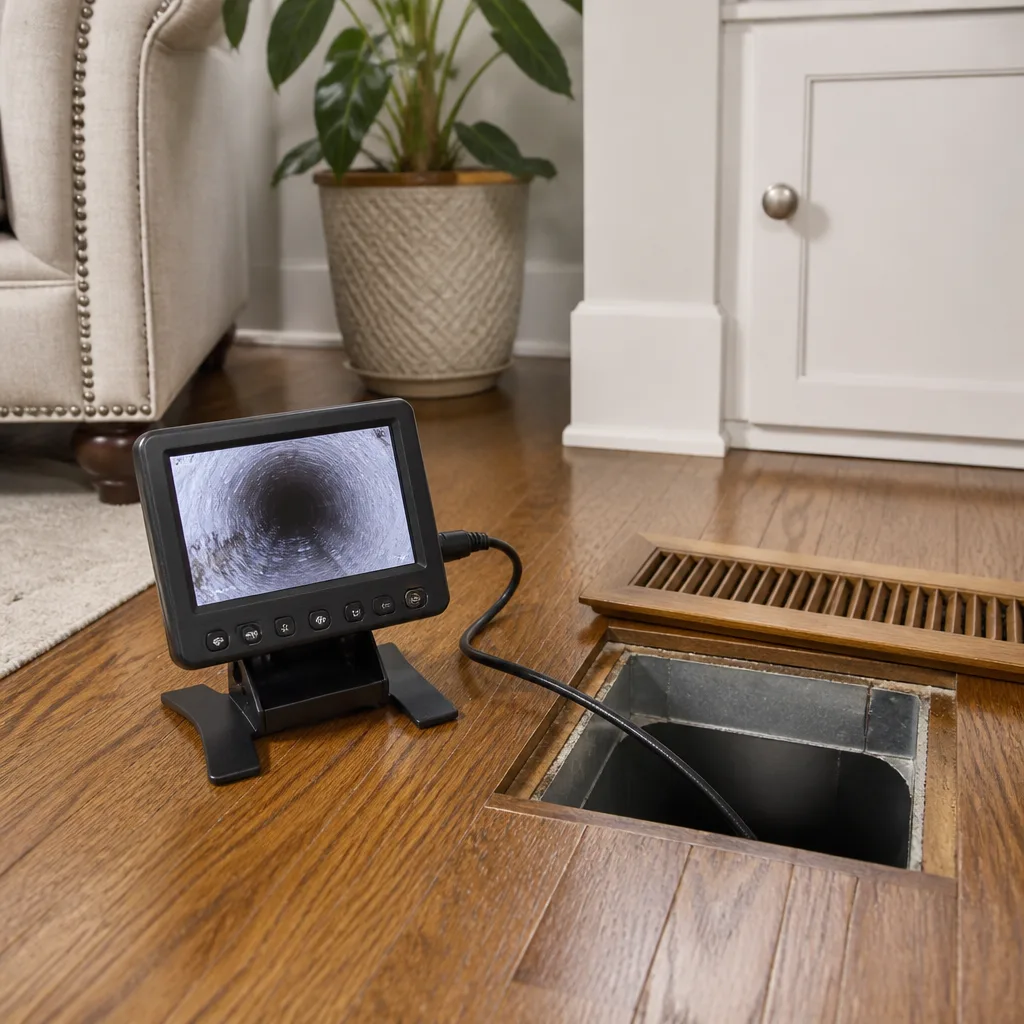 Camera inspection
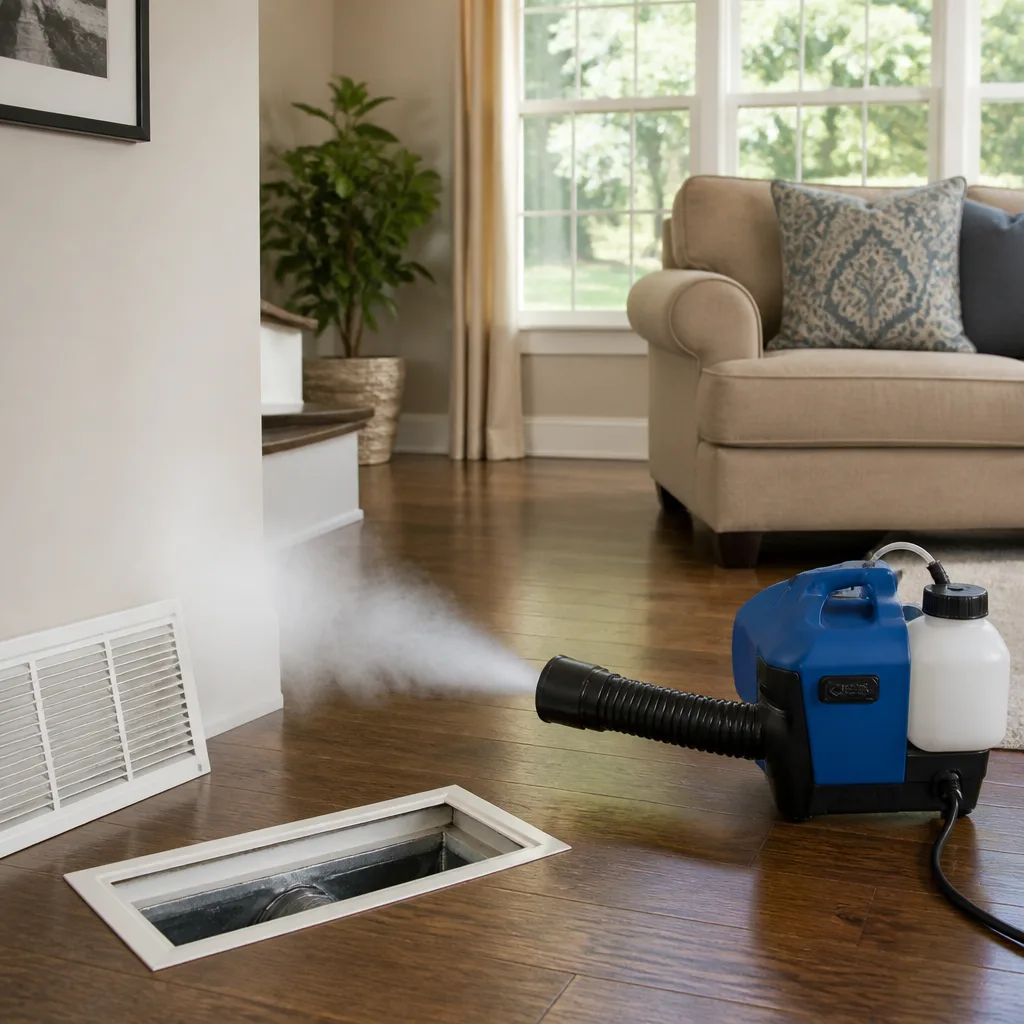 Sanitizing & deodorizing
Whole-system duct and dryer vent check with before-and-after photos - you see exactly what came out of your vents
That "$99 whole-house special" is a bait ad - the real number appears once they are in your hallway, or the "clean" is a shop-vac at the register. We photograph the inside of your ducts before and after instead.
Air Duct Cleaning Troubleshooting in Fort Wayne: Common Problems and How to Fix Them
If a room in your Fort Wayne home is still stuffy after a duct cleaning, the cleaning probably wasn’t the problem. A collapsed flex duct, a disconnected takeoff, or a failed damper is doing the real damage, and no amount of suction will undo it. Most homeowners assume every airflow complaint points to dirty ducts, so they book a cleaning, feel a brief improvement, then watch the same room go stale again within a season. This guide walks you through how to trace the actual source of the trouble before you spend money on the wrong solution. You’ll learn how to separate contamination from mechanical failure, where Fort Wayne duct systems tend to break down, and when a pressure test or camera inspection is the step worth paying for.
Quick Answer
Duct problems in Fort Wayne split into two categories: contamination (dust, debris, microbial growth on duct liner) and mechanical failure (disconnected joints, crushed flex runs, failed dampers, undersized returns). Cleaning fixes the first. Repair fixes the second. If airflow stays weak or odors linger after a cleaning, the system almost always has a mechanical cause, and the next step is a duct pressure test or camera inspection rather than another cleaning.
Styles & brands we work with
- Whole-home duct cleaning
- Dryer vent cleaning
- Camera inspection
- Sanitizing & deodorizing
Table of Contents
- Cleaning Problem or Mechanical Problem? How to Tell
- Airflow Checks Any Homeowner Can Run
- Why Musty Odors Persist After Cleaning
- Fort Wayne Duct Failure Points by Era
- When a Duct Pressure Test Is Worth It
- Did a Budget Cleaning Leave Debris Behind?
- Repair or Replace: How We Think About It
- What to Do Next
Cleaning Problem or Mechanical Problem? How to Tell
The fastest way to sort a duct complaint is to decide which of two problems you’re looking at. Contamination problems are about what’s inside the duct: dust, lint, construction debris, pet dander, or microbial growth. Mechanical problems are about how the system is put together: crushed flex duct, separated joints, a takeoff that’s popped loose from the boot, or a damper stuck closed. Cleaning solves the first. It cannot solve the second, no matter how many times you run it.
Here’s the mental model we use:
- Contamination signals: Visible dust puffing from registers when the furnace kicks on, dark streaks around supply grilles, a sneeze or cough reflex when the air handler starts, and coil or filter loading faster than it should. These point to cleaning and often to an air duct cleaning service that reaches the full run, not just the grille.
- Mechanical signals: One room consistently weaker than the rest, a register with almost no flow while the one beside it works fine, whistling or whooshing at a specific grille, or a system that gets louder after a filter change. These point to repair.
- Both signals: Common. A disconnected boot in a wall cavity leaks unfiltered air into the room for years, so the space reads as “dirty” and “weak” at the same time. Repair the connection, then clean.
The distinction matters because cleaning a system with a crushed return is a waste of money. The air handler is still starved, the room still can’t get the pressure it needs, and in three months you’re staring at the same problem. In our experience, the majority of “the cleaning didn’t work” calls we hear about turn out to be mechanical, and the fix was in the layout, not the contamination.
Airflow Checks Any Homeowner Can Run
You don’t need instruments to make a first pass at diagnosing a Fort Wayne duct problem. A homeowner with a piece of tissue paper and fifteen minutes can sort most complaints into the right bucket. Run these in order, because each one narrows what comes next.
- Tissue test at each supply register. Hold a strip of tissue against the grille while the system is running. It should flutter steadily. If it droops or barely moves in one room but is strong elsewhere, that run is starved or restricted. Write down which rooms fail.
- Compare supply to return. Find the return grille and feel how much air it’s pulling. If the return is weak and the supplies are strong, the return is undersized or blocked. That’s a mechanical problem.
- Filter check. Pull the filter and look. A filter loaded past its service life starves the whole system and mimics every duct problem in the book. A clean filter restores flow and tells you whether the duct is actually the issue.
- Register temperature. A kitchen thermometer, an infrared gun, or even your hand held a foot from the grille can tell you whether supply air is cold in summer or warm in winter. A register that runs air but at the wrong temperature has a different problem (duct placement or a leaky run in an attic or crawlspace).
- Listen at the registers. Whistling, hissing, or a rushing sound at one grille usually means a restriction or a loose connection behind the wall. Quiet registers everywhere with weak flow means a supply-side issue closer to the air handler.
Record what you find before you call anyone. A technician who arrives knowing which rooms fail and which grilles whistle will get to the root cause faster, and you’ll be able to hold anyone accountable for solving the actual problem instead of selling a generic visit. This kind of prep is the difference between a maintenance clean and a diagnostic call, and it’s why we ask homeowners to bring their notes when they call in.
Why Musty Odors Persist After Cleaning
Musty air that persists after a full professional cleaning almost always points to microbial growth that cleaning didn’t reach: specifically, growth on duct liner, insulation, or the plenum itself. A standard duct clean removes loose debris and surface dust. It does not kill or remove microbial colonies that have bonded to liner material, and it can’t clean a surface the brushes never touched because the duct geometry blocked the way.
Where this shows up most often:
- Internally lined flex and duct board. The liner holds moisture. If the growth has set in, the liner often needs replacement, not another clean. Cleaning alone won’t fix it.
- Plenum and coil cabinet. A wet coil pan or an evaporator cabinet with standing moisture breeds growth that recirculates straight through the supply. If the smell returns within days of a cleaning, look here first.
- Foundation and crawlspace air. Fort Wayne’s humid summers and heavy rain periods push moisture into crawlspaces, and any return ductwork that pulls from that space will distribute the smell. Sealing the draw is part of the fix.
- Dead animals and debris in the trunk. Uncommon but real. A camera inspection is the only reliable way to find it.
The fix depends on what the odor is actually coming from. A post-clean treatment with a product like Guardsman or an Abatement Technologies contaminant-control approach can help with surface microbial growth, but it’s a follow-up step, not a substitute for finding the moisture source. If a homeowner comes to us with “cleaned twice, still musty,” we start with a camera inspection and a moisture check, because running a third clean on the same system is spending money without a diagnosis. The duct’s condition, not its cleanliness, is the question.
Fort Wayne Duct Failure Points by Era
Ductwork in Fort Wayne homes tends to fail in patterns tied to when the house was built. Knowing the era tells you where to look first, which saves time and narrows a diagnostic visit to the sections most likely to have gone bad. The climate here matters too: summers that swing humid and winters with long stretches of dry cold put thermal stress on the system in both directions, and that stress finds the weak joints first.
1970s and 1980s Homes
- Galvanized trunk lines with taped or duct-taped joints. The tape fails before the metal. Look for silver duct tape that has started to peel at trunk-to-branch connections. Air leaking at these joints pulls attic or crawlspace contaminants in.
- Takeoffs set with nails or screws only. A branch that was never sealed will separate at the boot after years of expansion and contraction. This is a common source of both dust and weak airflow to a specific room.
- Original floor boots at registers. If a boot separates from the subfloor, supply air blows into the wall cavity instead of the room. You get dust, weak flow, and a winter cold spot behind the register plate.
1990s Homes
- Flex duct run in long, kinked spans. Flex is easy to install badly. Crushed, kinked, or overlong runs strangle the flow to far rooms, and the fix is re-routing, not re-cleaning.
- Undersized returns. Late 1990s construction commonly under-provisioned returns. A single return for a large house starves the air handler and shows up as high static pressure, weak supplies, and premature blower wear.
- Dampers that nobody ever opened. Balancing dampers in branch runs get closed during a remodel and never get re-opened. The room cools after a duct clean because someone finally found the damper, not because the ducts were clean.
What the Era Tells You
For a 1970s or 1980s Fort Wayne home, the first thing to inspect is the trunk-to-branch connections and the floor boots. For a 1990s home, start at the flex runs and the return capacity. Beyond the era, the local geography earns its own trouble: crawlspace returns in homes near the rivers and low-lying areas pull damp air, and homes with long attic runs across a hot summer attic see flex duct sag and crush over time. None of this is exotic. It’s the ordinary wear pattern of a duct system in this part of Indiana.
When a Duct Pressure Test Is Worth It
A duct pressure test is the diagnostic step that makes every other fix pointless to skip when the numbers come back bad. The test measures static pressure inside the air handler and the leakage across the system. It tells you whether the duct is actually delivering the air the equipment is producing, and how much is escaping before it arrives. Skip the test and you can spend money cleaning, repairing, and replacing parts of a system that still can’t move enough air.
The test is most valuable when:
- Airflow complaints persist after cleaning. You’ve already established that contamination isn’t the cause. Pressure is the next question.
- Static pressure reads high. If the return or supply side is restricted, the blower is fighting the system. Damaged blowers, high energy use, and premature failures follow.
- You’re considering a duct repair. A proper repair needs a baseline. If you can’t measure how much air the system is losing now, you can’t confirm the fix worked.
- The house has multiple zones or a finished basement. Zoned systems and additions often have poorly planned return paths. The test surfaces what a visual inspection can’t.
The pressure test is also the honest answer to a question a lot of homeowners bring to us: “I don’t want to spend more money until I know what’s actually wrong.” That’s exactly the right instinct. A pressure test is diagnostic, not a sales tool, and a technician who can read static pressure properly is telling you whether repair work is warranted at all. Any company that can’t run the test should not be quoting you a repair.
Did a Budget Cleaning Leave Debris Behind?
If a low-cost cleaning produced a short burst of improvement and then a fast return to the way things were, there’s a decent chance the work missed most of the system. The pattern is common: a portable, consumer-grade vacuum runs for an hour, the visible return grille and a few supplies get tidied up, and the technician leaves. The trunk line, the branch runs, the plenum, and the coil cabinet can still be loaded with debris because the equipment wasn’t strong enough or the work wasn’t scoped to reach them.
Here’s what a camera inspection looks for that a visual check can’t:
- Sediment and construction debris still in the trunk. Drywall dust, sawdust, and old debris settle on the bottom of horizontal runs and are invisible from a register.
- Debris behind the takeoff boots. The wall cavity holds years of what the boot leaked, and it gets pushed into the room whenever flow increases.
- Loose joints that look sealed from the register side. A taped connection can hold up cosmetically while leaking heavily. The camera sees the leak.
- Line material condition. Cracked duct board, torn liner, or a compressed flex run is visible on a camera pass. It can’t be seen from the register.
The fix, if a cleaning missed the system, is a full-system professional clean with contractor-grade equipment. Rotobrush and Nikro systems are the standard for a reason: they generate enough air volume and mechanical agitation to move debris through the full run, not just at the grille. A homeowner who has been through one budget clean and one proper clean understands the difference immediately, and the before-and-after photos prove it. We bring a camera and we bring the equipment. The scope of the clean is set before the work starts, and the price is agreed before the technician touches a duct.
Repair or Replace: How We Think About It
When a duct failure is real, the question becomes whether to repair the section or replace more of the system. For Fort Wayne homeowners the answer usually lands on repair, and the deciding factor is what’s actually broken. A disconnected takeoff, a boot that separated, a crushed flex run, or a failed damper is a repair. Cracked duct board, torn liner throughout the run, and severe damage from a roof leak or pest intrusion can push toward replacement of the affected section, but rarely the whole system.
Here’s how we sequence it:
- Identify the failure. Camera and pressure test first. What exactly broke, and where?
- Scope the repair to the section. A single branch, a takeoff, a run of flex, or a segment of trunk. Most repairs are sectional.
- Clean the affected section. Repair exposes surfaces that weren’t reachable before. Cleaning now, not earlier, is what makes the fix stick.
- Verify with a second pressure test. If the numbers don’t improve, the repair missed something.
- Address the air quality layer. Replacing a failed filter cabinet or adding a filtration or humidity product from Honeywell or Aprilaire is a separate step, best done once the system is sealed and passing pressure.
The reason we sequence repair before cleaning (instead of the other way around) is simple: cleaning a system that still leaks just reintroduces the contamination. Fix the leak, then clean, then verify. That’s the pattern that catches the root cause instead of the symptom, and it’s why we offer all three services under one roof. The clean, the fix, and the air-quality layer are the same problem, and coordinating them across multiple vendors is where a lot of homeowners end up paying twice.
What to Do Next
If you’ve run the checks above and you’re still staring at the same symptom, the next step is diagnostic, not another cleaning. Bring your notes (which rooms fail, which grilles whistle, what you’ve already paid for) and ask for a pressure test or a camera inspection before anyone promises a fix. That single change in approach is the difference between a homeowner who spends on maintenance repeatedly and one who solves the problem once. Our technicians have up to 14 years of experience tracing duct problems to their actual source, and we build the estimate around what the test finds, not what a sales script says. Duct Cleaning Fort Wayne covers the full-scope work: dryer vent cleaning, the duct clean itself, and the repair that fixes the root cause. Every estimate is free and written before work starts, so you know what you’re paying for. Call (844) 951-3807. We answer 24/7. Fast dispatch from 7am to 7pm, Sunday through Friday.
Common Mistakes to Avoid
- Booking a cleaning before a diagnosis. If the symptom is uneven airflow or a whistle, cleaning won’t fix it. Start with a pressure test. Cleaning first delays the actual fix and adds a cost.
- Assuming the return is fine because the supplies are strong. In Fort Wayne homes with one central return, the return is where pressure hides. Check it. Many “weak airflow” complaints turn out to be a stuffing return.
- Treating musty air with a second cleaning. If the odor returns within days, the cause is liner, plenum, or crawlspace air, not surface dust. Clean it a second time and you’re spending money without diagnosing.
- Re-taping a joint as a permanent fix. Duct tape lasts a season or two on a running trunk. A proper repair uses mastic or a mechanical seal, and a second leak will form where the tape fails.
- Ignoring the flex run behind the register plate. A crushed flex run in a chase is invisible from the room and disastrous for airflow. A camera inspection is the only reliable way to see it.
- Choosing a cleaner on price alone. The lowest price usually means a portable unit and a scoped visit that misses the trunk. Whole-system work with contractor-grade equipment costs more upfront and lasts.
- Forgetting the dryer vent. A clogged dryer vent is a documented fire risk, not a lint nuisance. It deserves a real cleaning as its own service, not an add-on at the end of a duct visit.
See the difference
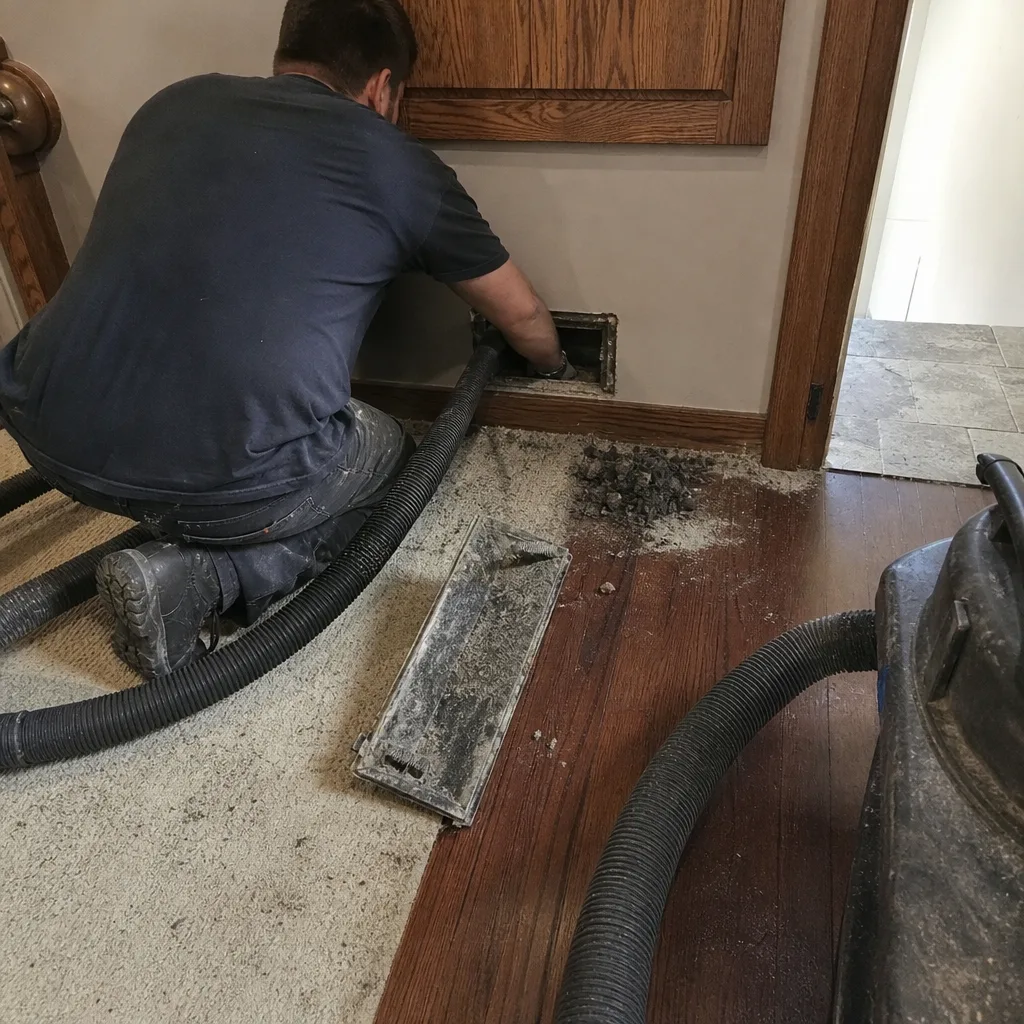 Before
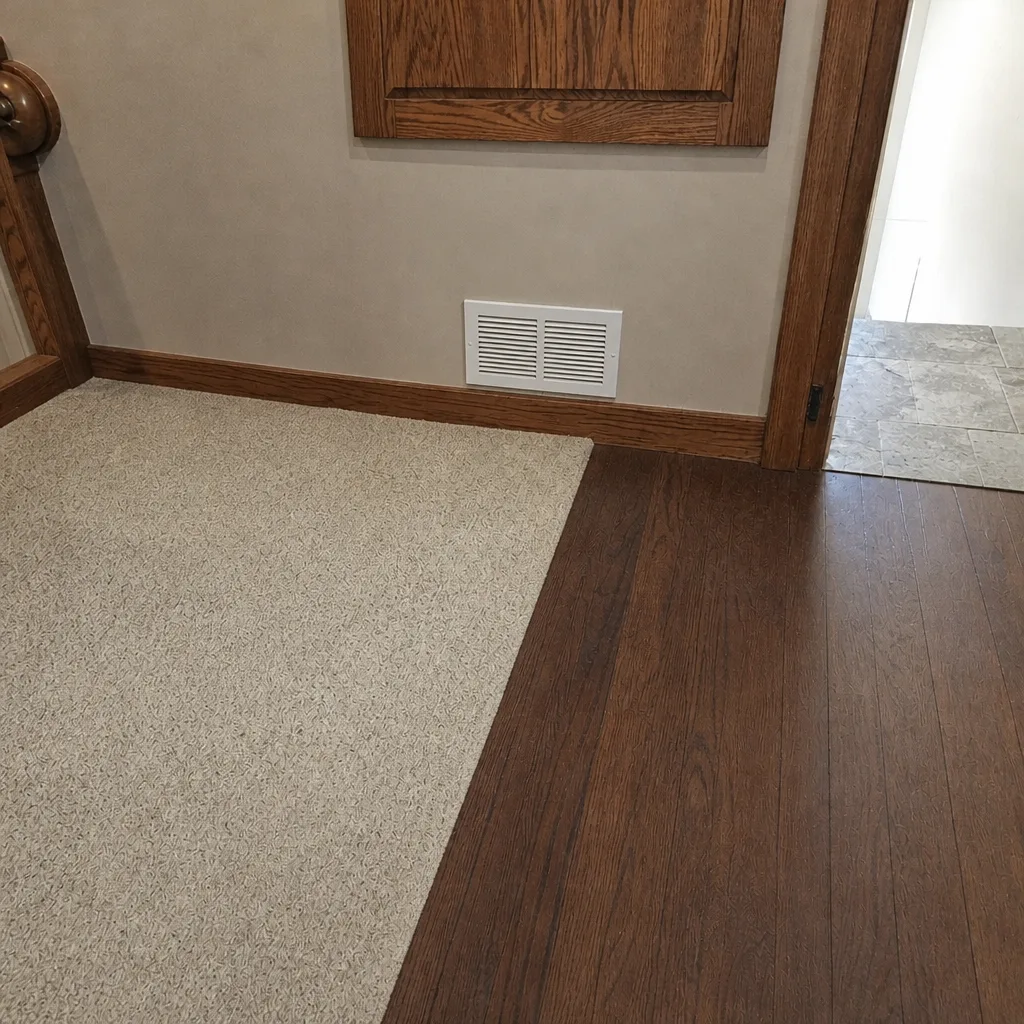 After
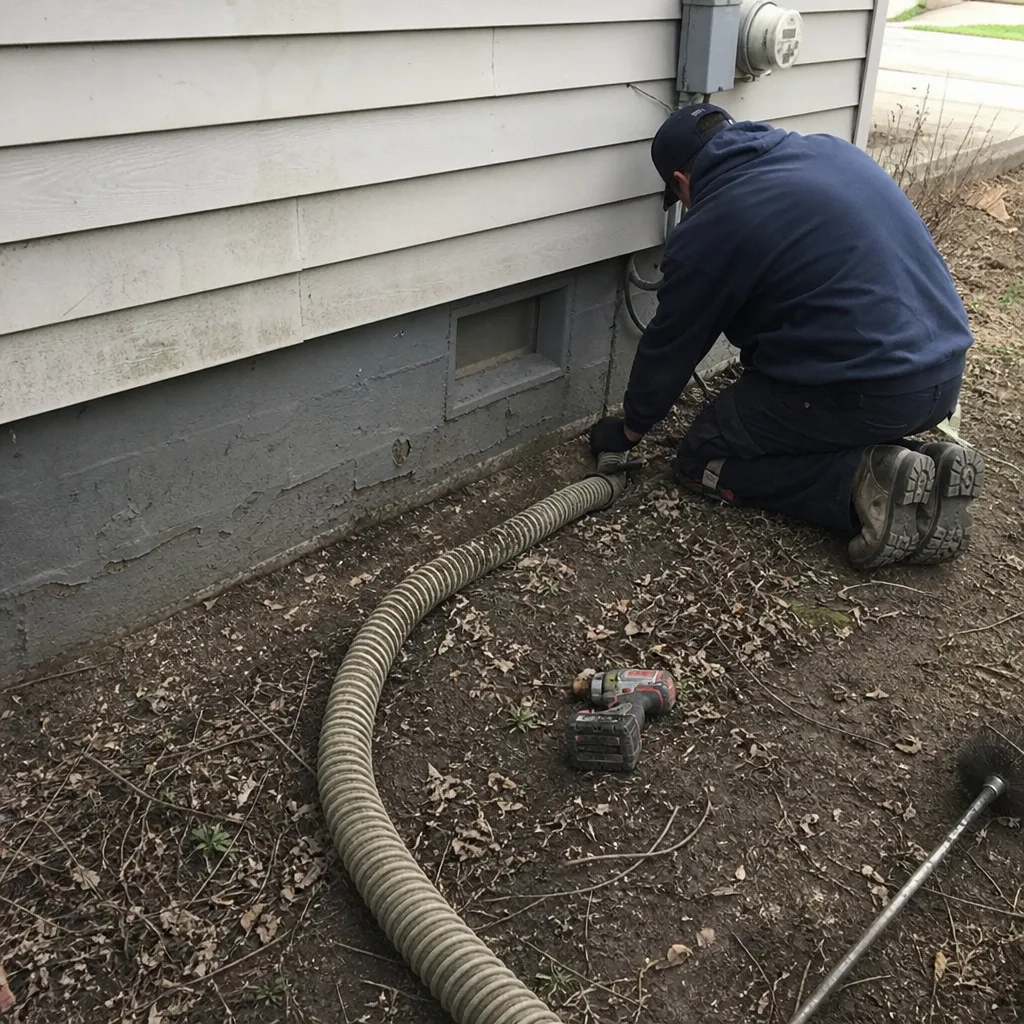 Before
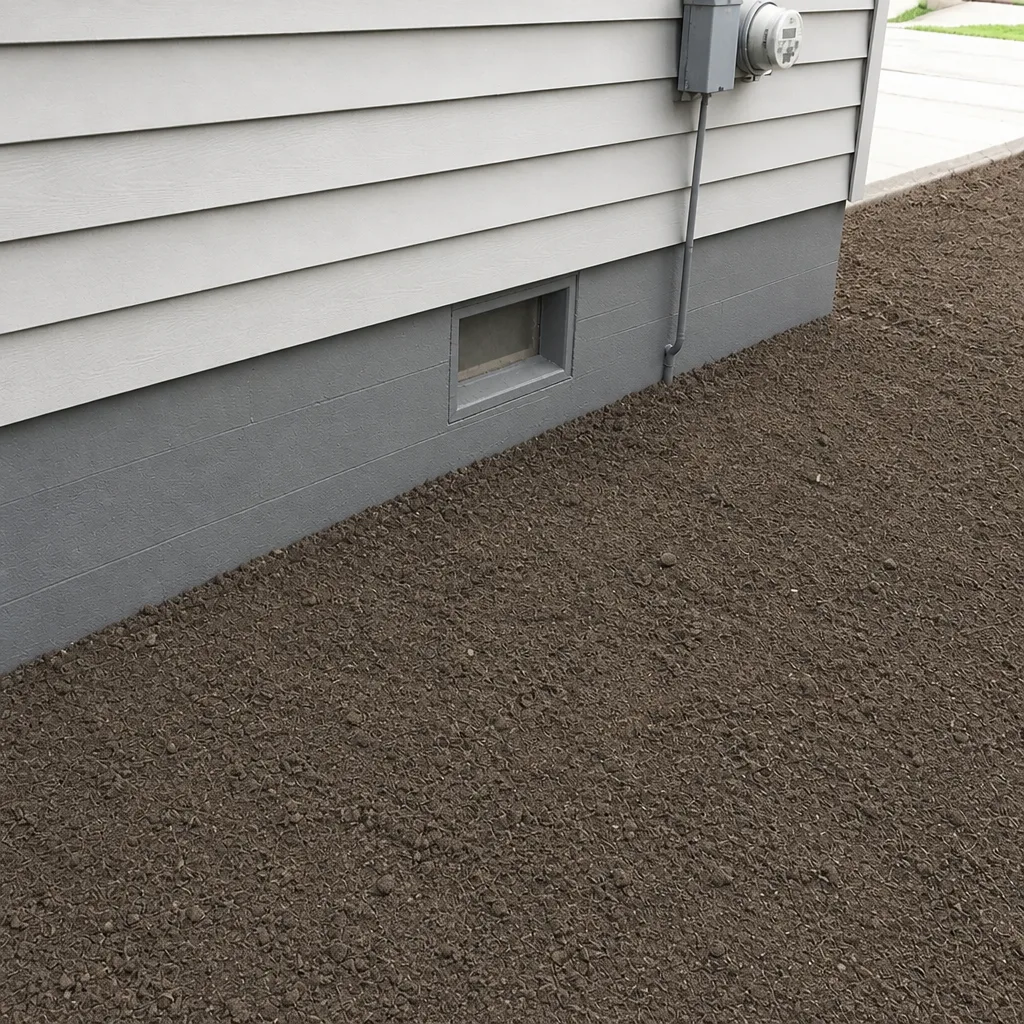 After
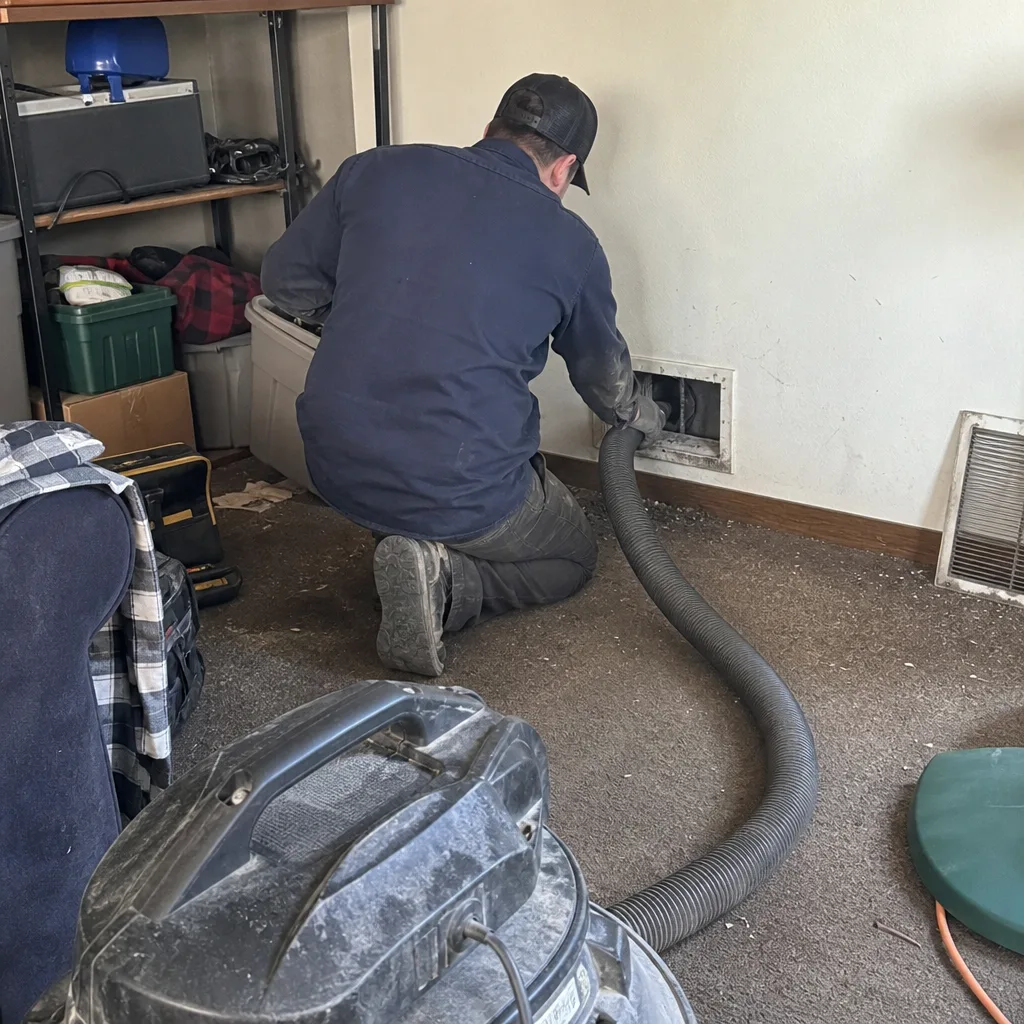 Before
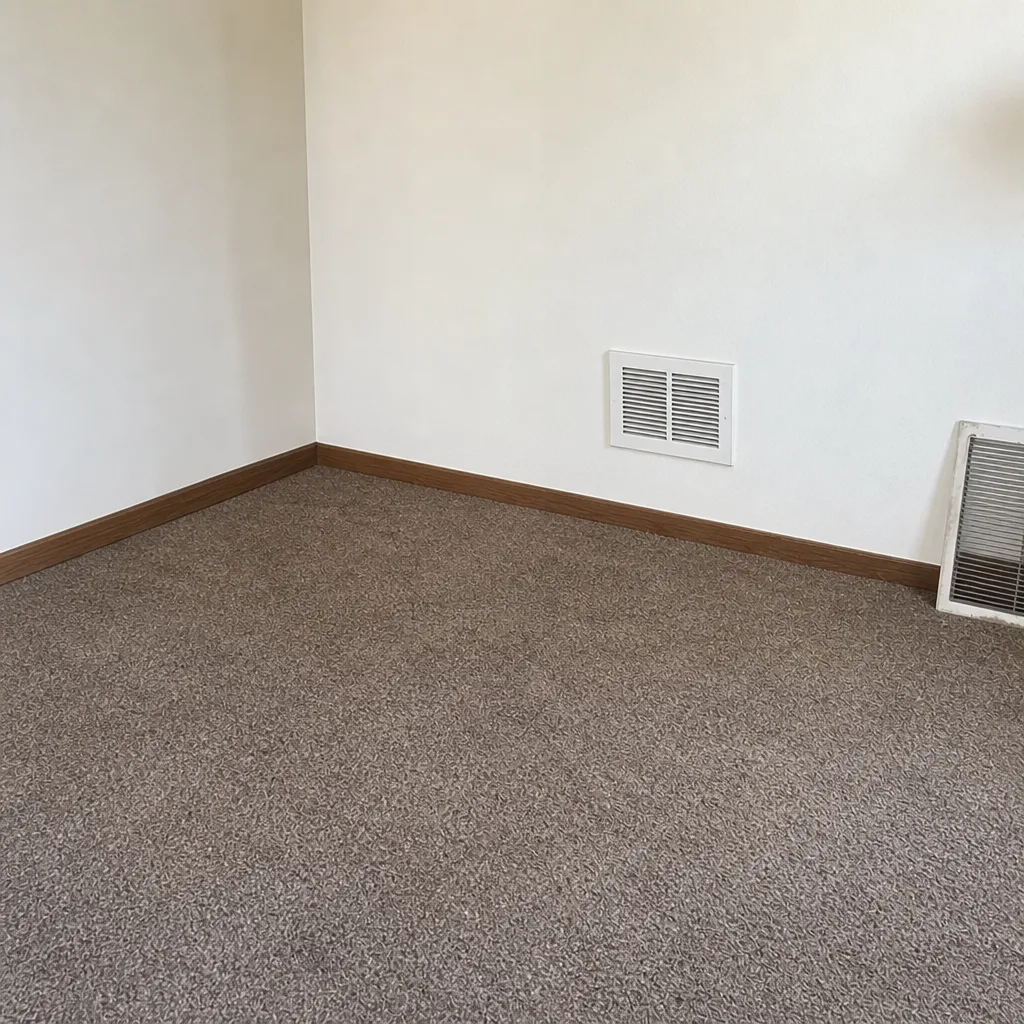 After
When to Call a Professional
Call a professional when a symptom survives a filter change and a basic check: one room that never gets air, musty air that comes back after a clean, visible debris at registers after a cleaning, or a return that’s clearly starved. Also call when a camera inspection is warranted, when the ductwork is accessed through attic or crawlspace, or when the trouble traces to structural duct repair. Those aren’t jobs a homeowner can diagnose safely, and a call now prevents a more expensive fix later. Duct Cleaning Fort Wayne offers free estimates in Fort Wayne. Call (844) 951-3807. We answer 24/7. Fast dispatch from 7am to 7pm, Sunday through Friday. One flat price per system, agreed before work starts, with before-and-after photos, and a satisfaction guarantee backed by equipment you can verify.
Frequently Asked Questions
Because the problem is almost certainly mechanical, not contamination. One cold room usually means a crushed flex run, a disconnected takeoff at the boot, or a closed balancing damper in that branch. A cleaning can’t fix any of those. Run the tissue test, check for a whistling register, and ask for a camera inspection or pressure test before booking another clean.
Because the odor source was never surface dust. Musty air that persists after a full clean points to microbial growth on duct liner, insulation, the plenum, or the coil cabinet, or a crawlspace return pulling damp air. A camera inspection and a moisture check find the source. Post-clean treatment with Guardsman or Abatement Technologies products helps with surface growth, but the moisture source has to be addressed first.
For most single-family homes, a proper whole-system clean runs in the range you’d expect for a full-service visit, with the exact price set per system by a written estimate before work starts. Be cautious of any low coupon price; it usually reflects a portable, scoped visit that misses the trunk and branch runs. Call (844) 951-3807 for an exact quote. Estimates are free.
Because the work isn’t the same work. A budget quote typically prices a portable unit, a quick pass at the return grille and a few supplies, and no trunk or branch work. A contractor-grade Rotobrush or Nikro clean reaches the full system. The fix for that gap isn’t a discount, it’s a scope you can see. We set one flat price per system and include before-and-after photos of your own ducts so you can confirm the work was done. Call (844) 951-3807.
Ask for before-and-after photos of your own ducts, not a stock photo, and ask for the equipment brand. We name ours (Rotobrush and Nikro) so you can verify them. If the crew can’t tell you what equipment they use, that’s a signal. A camera inspection before and after is the clearest verification.
The honest answer is that it depends on the house, not the calendar. Homes with pets, recent remodeling, allergy sufferers, or a visible debris problem need whole-system work more often than a quiet, well-filtered home. If you’re seeing fast filter loading, dust at registers, or persistent musty air, it’s time. If nothing indicates a problem, there’s no reason to schedule on a fixed interval. Call (844) 951-3807 and we’ll help you decide based on what you’re seeing.
You can vacuum grilles and registers safely, and you should change the filter on schedule. But reaching the trunk, branch runs, plenum, and coil cabinet requires equipment and access a homeowner doesn’t have, and crawling into attic or crawlspace ductwork is a real safety risk. Leave the system clean to a professional.
The Bottom Line
Most Fort Wayne duct problems are diagnosed in the wrong order. Homeowners book a cleaning first and find out later that the real issue was a disconnected boot, a crushed flex run, or an undersized return. Run the airflow checks, sort your symptom into contamination or mechanical, and ask for a pressure test or camera inspection before you spend money on another clean. Cleaning fixes contamination. Repair fixes the structure. The two are separate questions, and the fix that sticks is always the one that starts with a diagnosis. If you’re still stuck, call us and we’ll help you sort it.
Duct Cleaning Fort Wayne handles the full system: air duct cleaning, dryer vent cleaning, and structural air duct repair, all under one provider. We use professional-grade Rotobrush and Nikro equipment and install recognized air-quality products from Honeywell and Aprilaire. See our full service area at Fort Wayne and start with duct cleaning Fort Wayne. Call (844) 951-3807 for a free estimate. We answer 24/7. Fast dispatch from 7am to 7pm, Sunday through Friday.
Written by the team at Duct Cleaning Fort Wayne.