
Last updated November 15, 2026
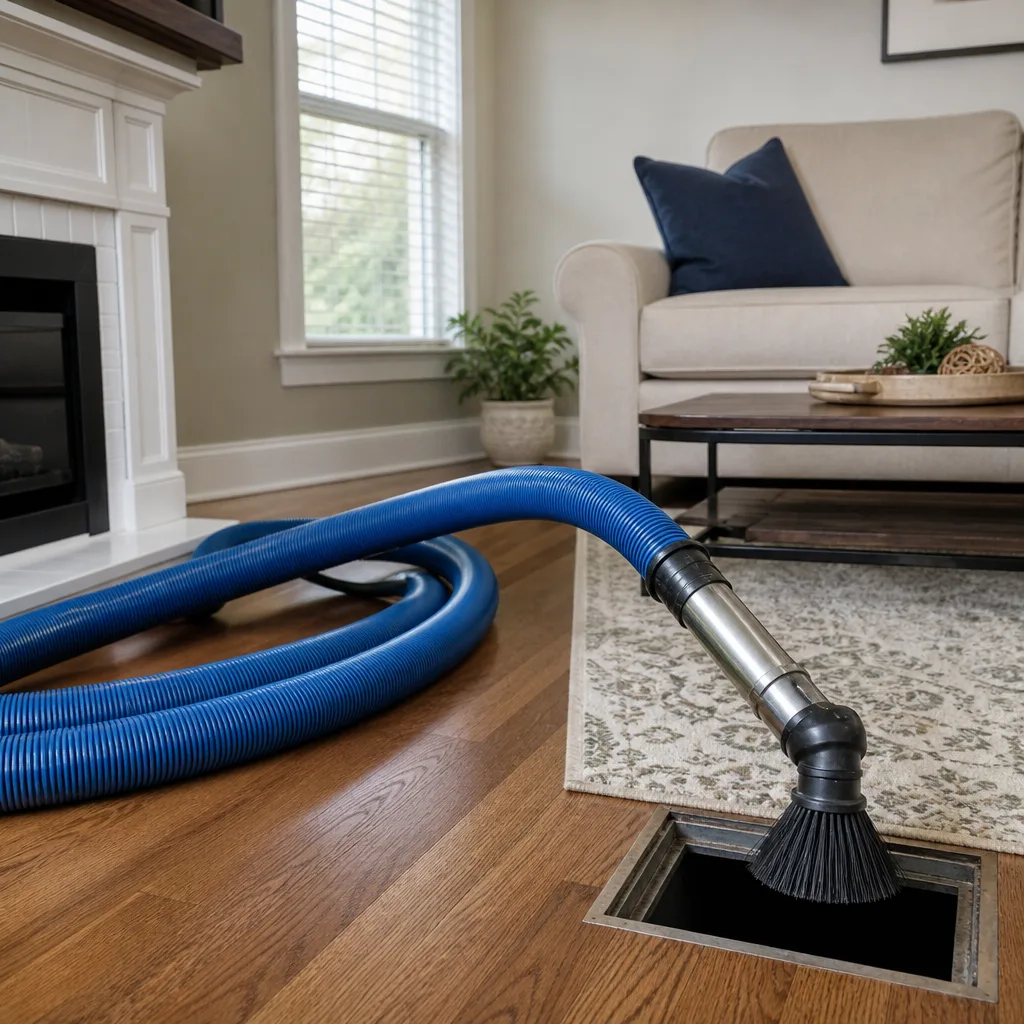 Whole-home duct cleaning
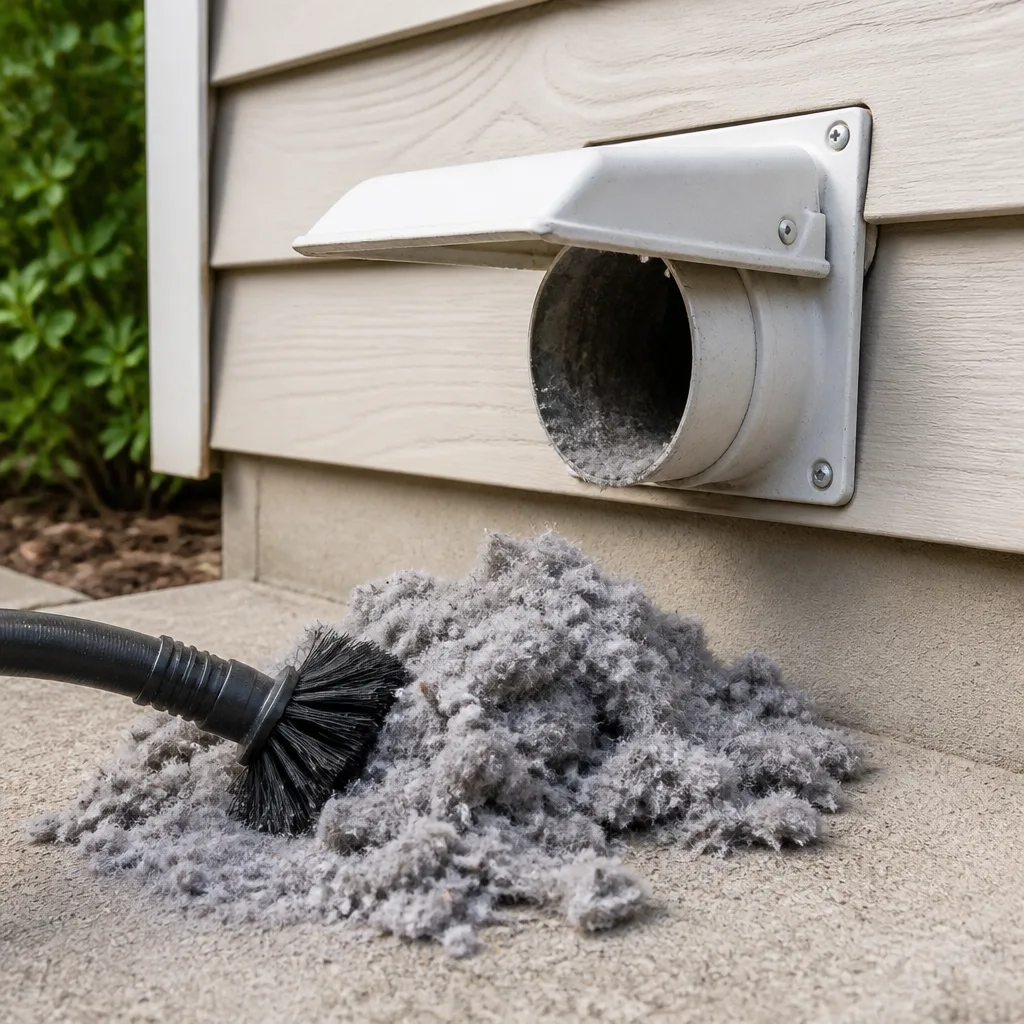 Dryer vent cleaning
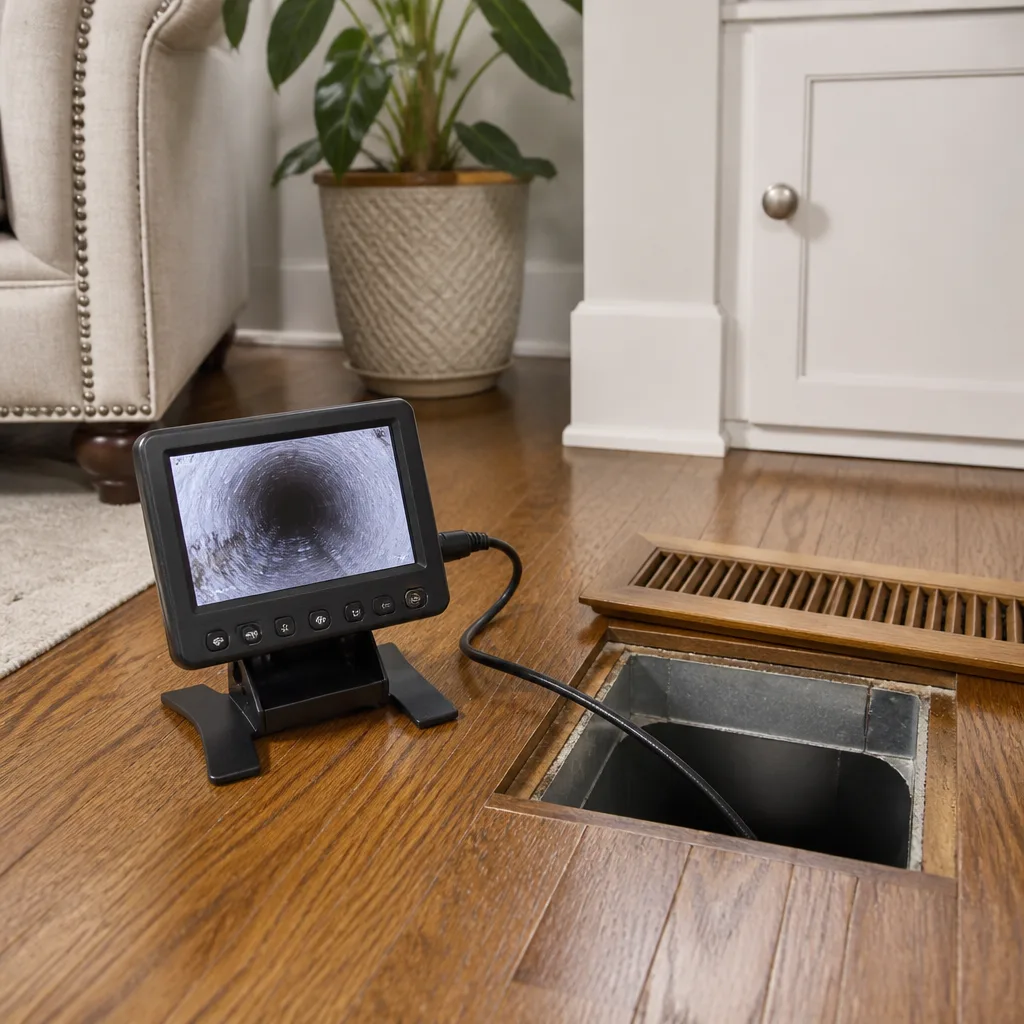 Camera inspection
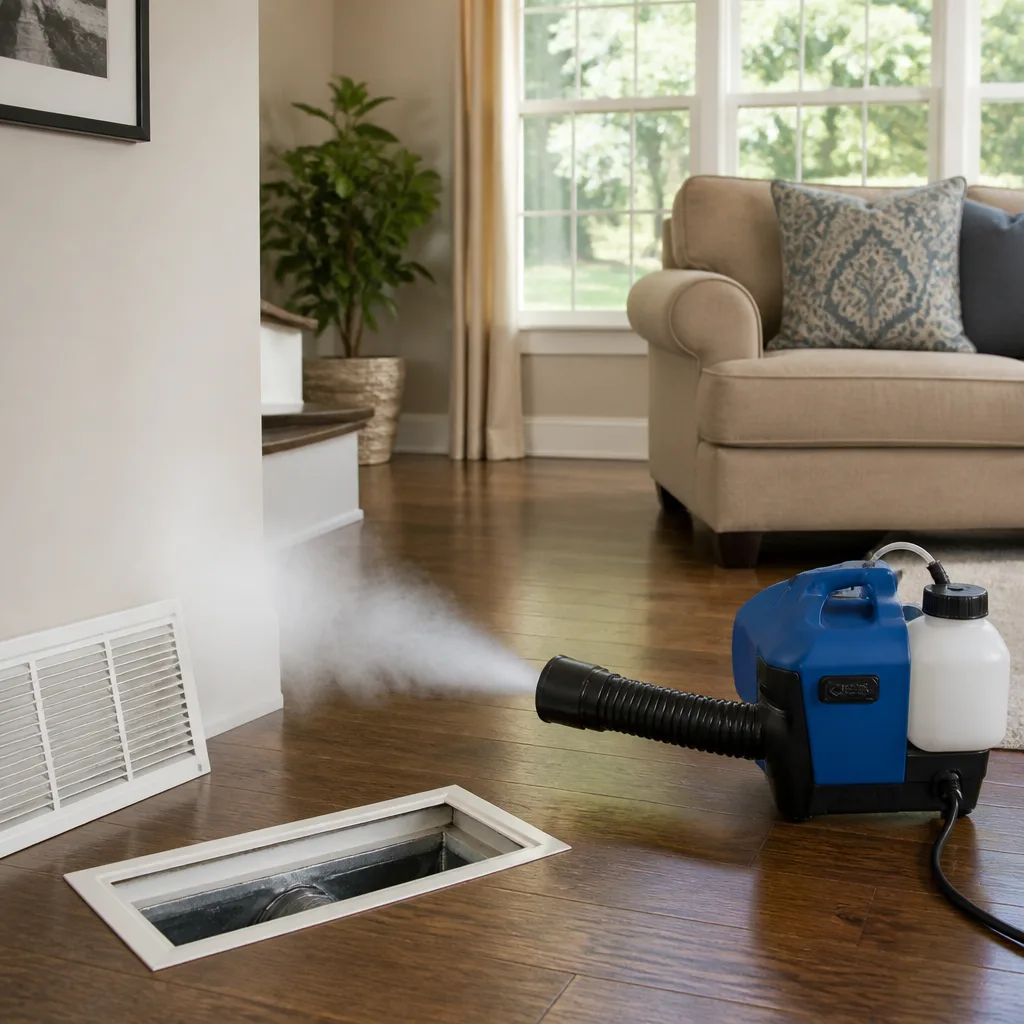 Sanitizing & deodorizing
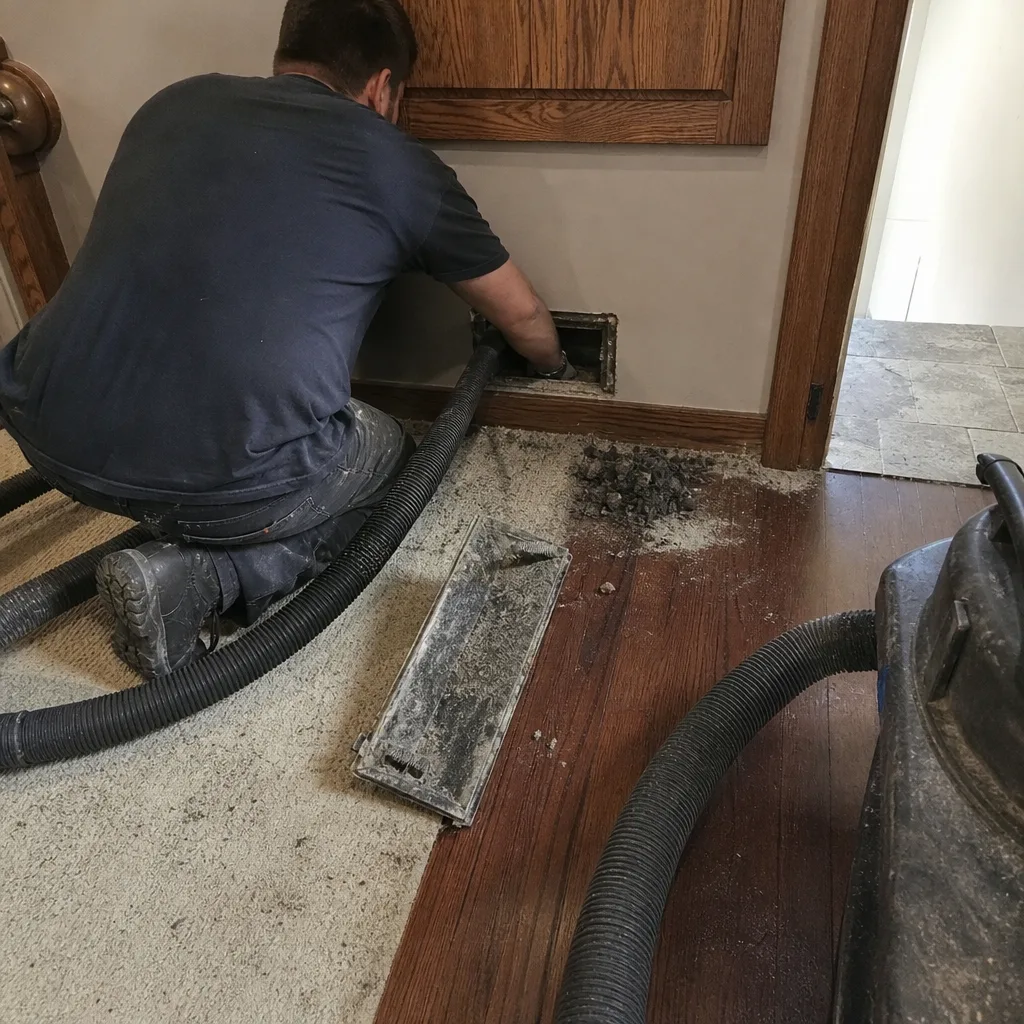
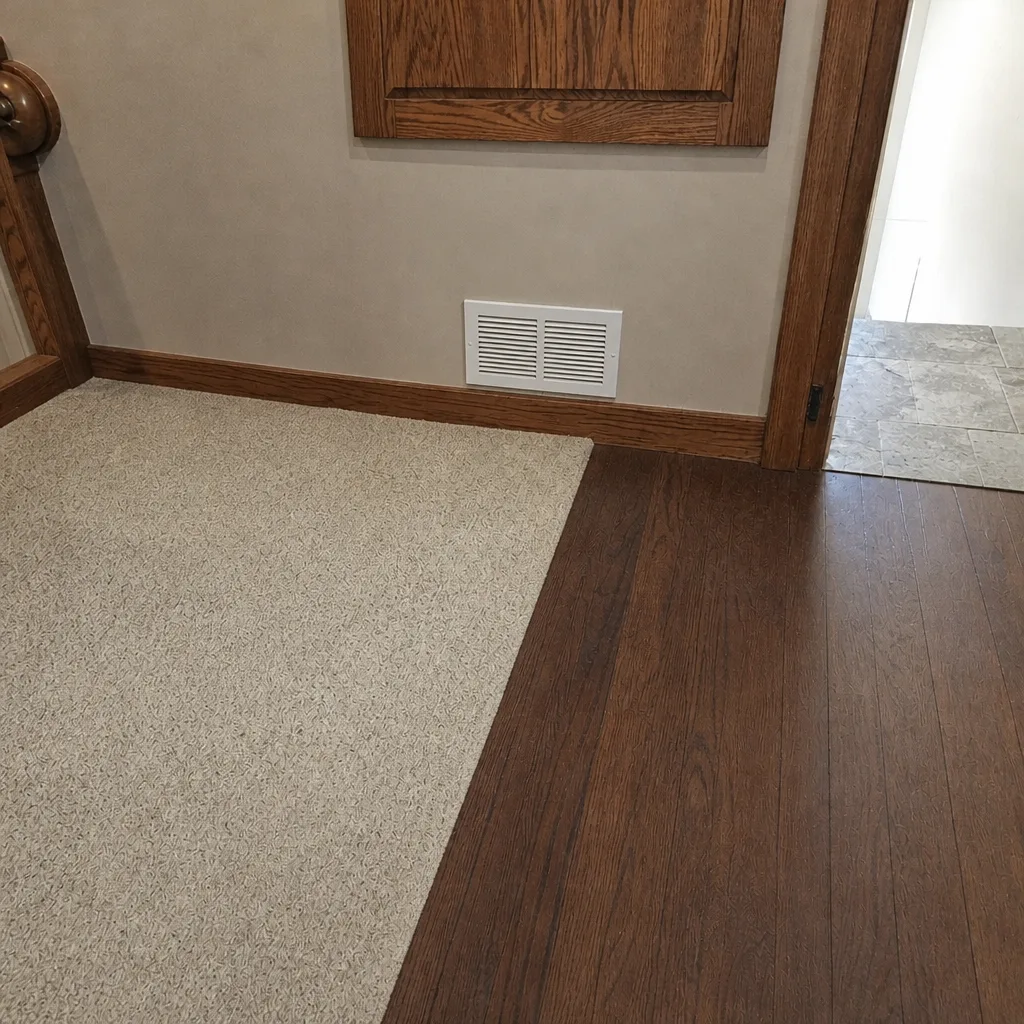
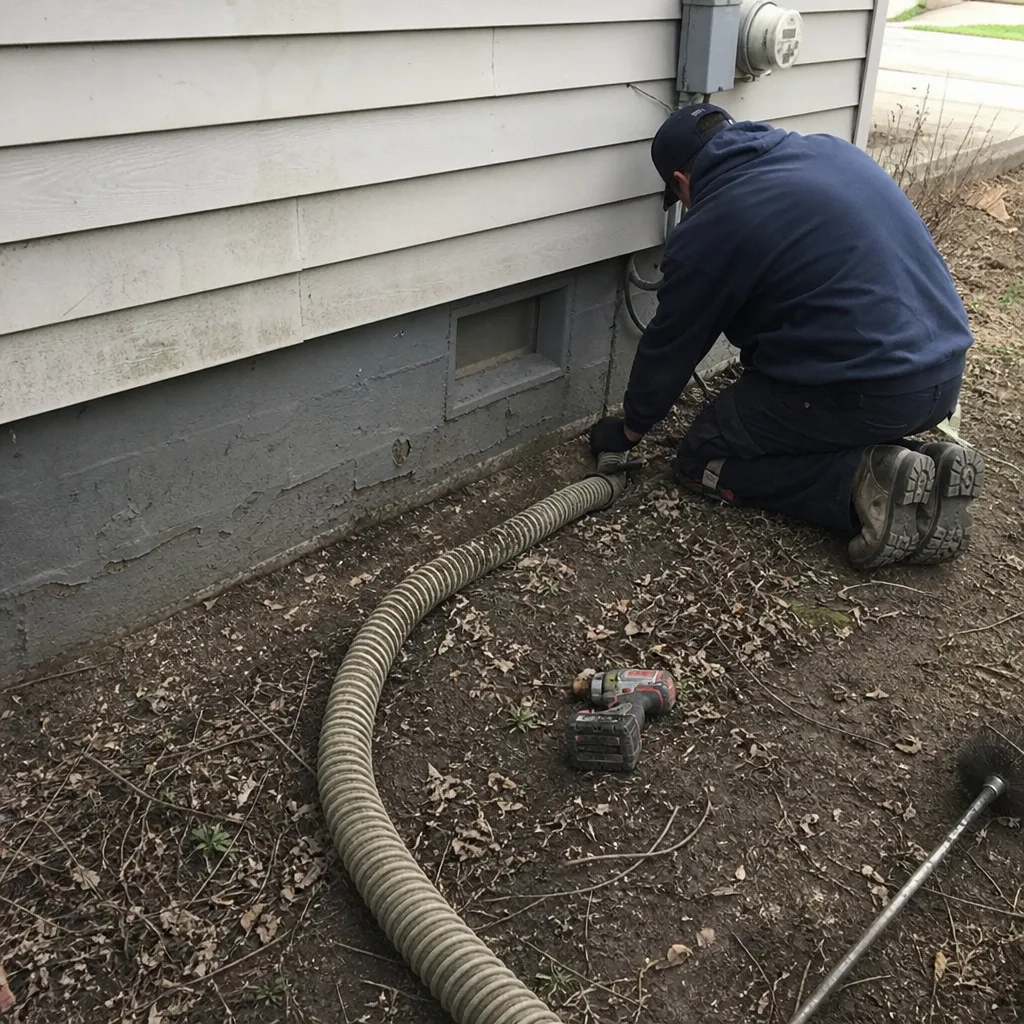
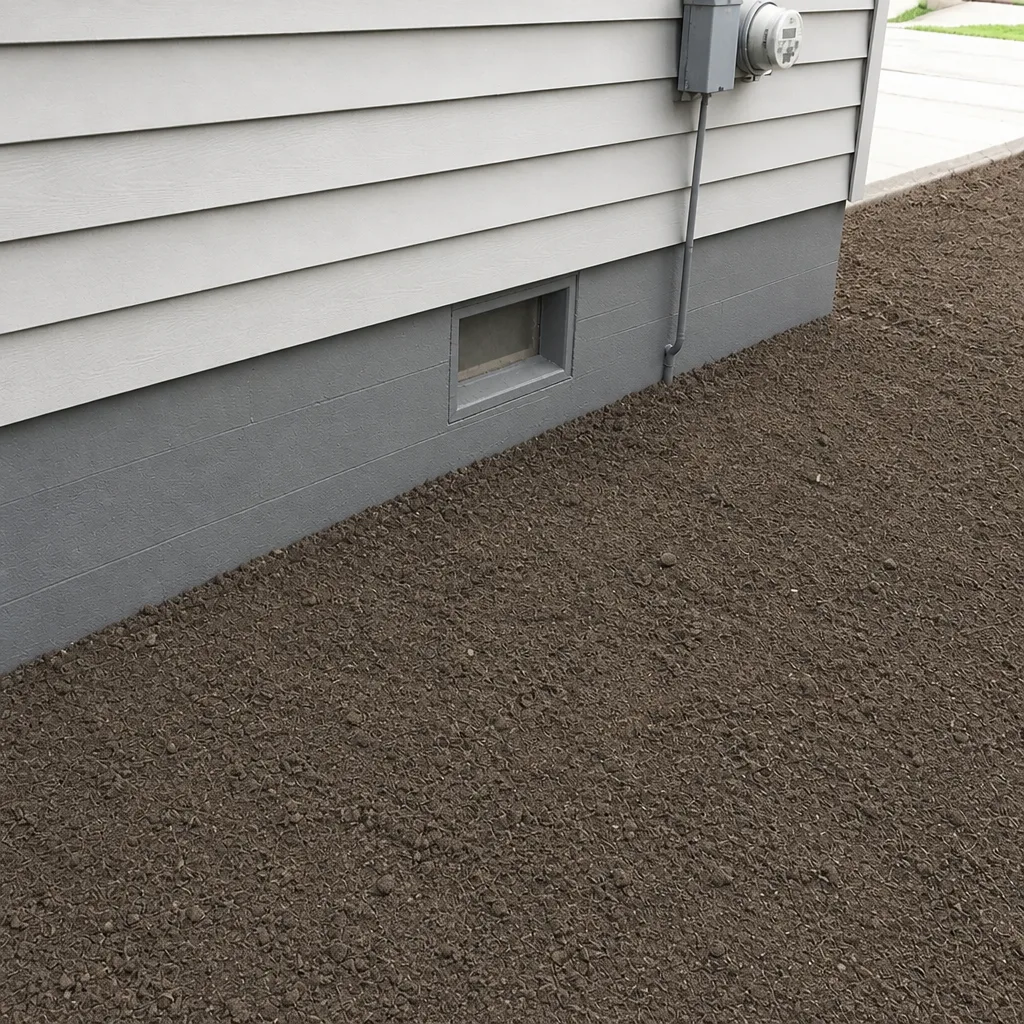
Whole-system duct and dryer vent check with before-and-after photos - you see exactly what came out of your vents
That "$99 whole-house special" is a bait ad - the real number appears once they are in your hallway, or the "clean" is a shop-vac at the register. We photograph the inside of your ducts before and after instead.
Air Duct Cleaning Emergency Preparedness Guide for Fort Wayne Homes
Most homeowners think of ductwork as sturdy metal tubing that survives whatever happens to the house. It doesn’t. Floodwater, smoke, and storm-driven debris all find their way into the supply and return network, and the ducts hold onto what they carry long after the visible mess is gone. The counterintuitive part is that the HVAC system itself is usually the delivery mechanism: running it “to clear the air” is the fastest way to move contamination into every room. In this guide we walk through how to tell whether a Fort Wayne duct system was compromised after a flood, fire, or severe storm, what each type of contamination actually is, why the inspection comes before the thermostat, what emergency cleaning involves beyond routine work, and how to document all of it for an insurance claim.
Quick Answer
If your Fort Wayne home has been through flooding, a fire, or serious storm damage, do not run the HVAC system until the ducts have been inspected. Emergency duct cleaning is not the same as routine cleaning: it adds contamination assessment, containment, HEPA filtration, antimicrobial treatment where appropriate, and documentation for your insurance claim. The inspection and the written scope come first, and the system stays off until the ducts are cleared.
Styles & brands we work with
- Whole-home duct cleaning
- Dryer vent cleaning
- Camera inspection
- Sanitizing & deodorizing
Table of Contents
- How do you know if floodwater got into your duct system?
- What happens to ductwork after a house fire or smoke event?
- What does severe storm damage do to a duct system?
- Why is running the HVAC before inspection the worst move?
- What does emergency duct cleaning include that routine cleaning doesn’t?
- How do you document duct damage for an insurance claim?
- Repair, seal, and protect: what comes after the clean
How do you know if floodwater got into your duct system?
The short answer: if water rose above the floor registers, or if there was standing water in a basement or crawl space that houses ductwork, assume the system is affected until a professional confirms otherwise. Duct systems in Fort Wayne homes run through basements, crawl spaces, attics, and wall cavities, and every one of those locations can hold moisture after the Maumee River and its tributaries push water into low-lying neighborhoods. Water doesn’t need to pour directly into a register. It wicks, it pools in low runs of flex duct, and it condenses on cold metal as the house dries out.
What floodwater leaves behind is the real problem. River floodwater carries sediment, silt, and whatever it picked up along the way across streets, lawns, and storm drains. Inside a duct system, that sediment settles on the walls of the runs and stays damp. Damp organic material in a dark, enclosed tube is exactly the environment microbial growth needs, and once it takes hold it doesn’t dry out on its own.
Signs that a duct system took on water:
- Water lines or mud staining visible on basement duct trunks, boots, or flex runs
- A musty or earthy smell that gets stronger when the blower runs
- Visible sediment or grit inside registers after the home has dried
- Sagging flex duct where water collected in a low section
- Rust or corrosion at seams, joints, and metal boots
One thing to keep in mind in Fort Wayne: the region’s humid summers mean a flooded basement can stay damp for weeks even with fans running. Duct insulation that got wet holds that moisture against the metal underneath, which is why a visual check from the register grille alone won’t tell you much. The inspection has to go inside the runs. If you suspect water intrusion, our air duct cleaning team starts with that assessment before anything else is quoted.
What happens to ductwork after a house fire or smoke event?
Smoke travels through a duct system the same way air does, which means a fire in one part of a Fort Wayne house can leave soot deposits in runs on the opposite side of the home. Even a contained kitchen or garage fire pushes smoke into the return side, and the blower, if it was running, distributes it through every supply branch. Soot is not just a stain. It’s fine particulate that settles on duct surfaces and re-enters the living space every time the system cycles.
Fire contamination has two components, and they need different treatment:
- Particulate soot: fine carbon residue that coats duct walls and clings to insulation. It needs mechanical removal with proper filtration, not a wipe-down.
- Smoke odor and volatile organic compounds: the smell that lingers in a structure after the visible fire is out. VOCs from burned materials absorb into porous surfaces, including duct liner and flex duct, and off-gas for a long time.
Homes with older flex duct or internally lined duct are harder cases than smooth galvanized metal. The lining is porous and traps odor compounds in a way that surface cleaning can’t fully address, and sometimes replacement of a section is the honest answer rather than repeated cleaning. We’d rather tell a homeowner that up front than clean the same run three times.
There’s also a sequence issue after a fire. Restoration work, drywall dust, and debris removal all happen before the ducts are cleaned, not after. If the ducts are cleaned and the contractor then sands drywall or removes charred material, the system is contaminated again. Air duct cleaning comes at the end of the restoration sequence, once the structure is closed up and clean. Our guide on dryer vent cleaning covers the other fire risk in the home, because a lint-clogged dryer vent is a leading cause of residential fires and worth addressing while the house is already in repair mode.
What does severe storm damage do to a duct system?
Storm damage doesn’t have to mean floodwater. A severe thunderstorm or high-wind event can compromise a duct system in ways that never show up on the floor of the house. The most common mechanisms in Fort Wayne homes are roof and attic penetration, displaced or crushed flex duct, disconnected joints in the attic or crawl space, and pest intrusion through openings the storm created.
What to check after a significant storm:
- Attic ductwork that has been knocked loose, crushed, or torn by debris or falling limbs
- Sections where flex duct has separated at a collar or boot, which pulls attic air into the system
- Gaps at the roof deck or soffit that let water in near duct runs
- Signs of rodents or insects in the attic, since a new opening gives them a path into the duct network
A disconnected run is the quiet one. You won’t see it, but the system starts pulling unconditioned attic air, insulation fibers, and whatever else is up there straight into the living space. In a Fort Wayne summer, attic temperatures climb high enough that this also drives up cooling costs while making rooms harder to cool, which some homeowners notice before they ever find the disconnect.
That’s one reason we treat duct cleaning in Fort Wayne as an inspection as much as a cleaning. Structural duct repair is part of the picture, not an add-on, and a disconnected or crushed run needs to be found and fixed before the system runs normally again.
Why is running the HVAC before inspection the worst move?
Because the blower turns a local contamination problem into a whole-house one. A duct system that has taken on floodwater, soot, or debris is holding that material in place. The moment the fan comes on, the system does what it’s designed to do: distribute air at volume through every supply register in the house. Whatever was sitting in one contaminated section is now spread across bedrooms, kitchens, and living areas, and it’s been pushed into carpet, upholstery, and soft furnishings where removal is far harder.
Homeowners reach for the thermostat for understandable reasons. After a flood, the house smells, and running the system seems like the fastest way to move air and dry things out. After a fire, the smell is the first thing people want gone. The instinct is right, but the tool is wrong. Here’s the sequence we recommend instead:
- Turn the system off at the thermostat and leave it off.
- Ventilate with windows and doors where it’s safe and weather permits, and use standalone fans rather than the central system.
- Photograph everything before cleanup begins, including registers, visible duct runs, and any water lines or soot staining.
- Get the duct system inspected by a professional before the thermostat goes back on.
- Have the ducts cleaned and treated, then confirm the system is dry and clear before restarting it.
There’s a safety dimension here too. A duct system that has been through flooding or fire may have damaged connections, blocked runs, or compromised components. Restarting a system in that condition can turn a contamination problem into an equipment or safety problem, and a qualified technician should be the one to make the call on whether it’s safe to run.
What does emergency duct cleaning include that routine cleaning doesn’t?
Routine duct cleaning removes accumulated dust, debris, and normal household buildup from a healthy system. Post-emergency work starts from the assumption that the system is contaminated and treats it as such, which means additional assessment, containment, and treatment steps before the same equipment can do its job. The equipment matters as much as the process: this is contractor-grade work, which is why we run Rotobrush and Nikro systems rather than the portable units that show up for a coupon cleaning.
What the emergency scope typically adds:
- Contamination assessment: identifying which runs are affected and how badly, including moisture readings in flood cases
- Containment and negative pressure: keeping disturbed contamination from migrating into the living space during the work
- HEPA filtration: capturing fine particulate rather than redistributing it
- Deep mechanical cleaning of every affected run: supply, return, trunks, boots, and registers, not just the visible branches
- Antimicrobial treatment where appropriate: we use Abatement Technologies and Guardsman products for contamination control and post-clean treatment
- Structural duct repair: sealing or replacing runs damaged by water, fire, or impact, so contamination doesn’t return
- Verification and documentation: before-and-after photos and a written record of what was found and what was done
The repair step is where we part company with a lot of duct cleaning work in Fort Wayne. Cleaning a system that has a disconnected run or a water-damaged section without fixing the underlying problem means the contamination comes back, and the homeowner pays twice. Cleaning, repair, and air-quality improvement belong in one scope.
How do you document duct damage for an insurance claim?
Documentation is what turns a duct problem from “something the homeowner noticed” into a covered item. Most homeowner policies cover sudden and accidental damage from perils like fire and storm, but claims get contested over scope and proof, not over whether something happened. The homeowner’s job is to record the condition of the home before cleanup starts. The contractor’s job is to provide a written scope that ties the work to that damage.
What homeowners should capture themselves:
- Photograph water lines on basement walls, duct trunks, and boots before anything is moved or dried
- Photograph soot staining at registers and around duct boots after a fire
- Photograph debris, sediment, or visible damage inside register openings
- Save receipts for any emergency mitigation work already done
- Keep a written timeline of when the event happened and when the system was last run
What a contractor’s documentation should include:
- A written scope of work listing affected runs and the treatment for each
- Before-and-after photographs of the homeowner’s own ducts, not stock images
- Notes on contamination type found (sediment, soot, microbial, pest debris) and the products used to address it
- Findings from any structural repair, including what was sealed or replaced and why
- A clear statement of which work is remediation and which is optional air-quality improvement, so the adjuster can separate them
Adjusters respond to specificity. A one-line invoice that says “duct cleaning” invites a question. A scope that identifies which runs were affected, what was found, and what was done to fix it does not. If you’re working through a claim in the Fort Wayne area and need that documentation, we’ll provide it as part of the job.
Repair, seal, and protect: what comes after the clean
Cleaning a contaminated system is step two. Step three is making sure it stays clean and that the home’s air is better for it. That’s the part most emergency responses skip, and it’s the part that decides whether the homeowner is dealing with the same problem again next season.
Three things happen after the ducts are clean and dry:
- Repair. Any disconnected, crushed, or water-damaged runs get sealed or replaced. A sealed system holds pressure, which means it delivers air where it’s supposed to and keeps attic or crawl space air out of the living space.
- Filtration upgrade. A proper filter and, where it fits the system, a media cabinet or whole-home air cleaner from Honeywell or Aprilaire gives the system the ability to capture fine particulate that a basic filter misses. We carry and install both brands.
- Humidity control. Fort Wayne’s humid summers and dry winters both put stress on a home’s air quality. Aprilaire humidity products address the seasonal swings that make a house feel worse than the thermostat reads.
This is why we recommend treating duct work as a single scope when there’s been an emergency. Cleaning without repair leaves the source of contamination in place. Repair without cleaning leaves contamination sealed inside. Both without filtration and humidity control leaves the home’s air quality right where it was before the event. One provider, one scope, one record for the insurance file.
Common Mistakes to Avoid
- Turning the HVAC back on to “air the place out.” This is the single most damaging move after a flood, fire, or storm. It spreads contamination through every room in the house before anyone has looked inside the ducts.
- Cleaning the ducts before the restoration work is finished. Drywall dust, debris removal, and reconstruction all re-contaminate a system. Duct cleaning belongs at the end, once the house is closed up.
- Hiring on price alone after an emergency. Emergency scopes take more time and equipment than routine cleaning, and a quote that looks like a routine cleaning price is worth questioning before you sign, not after.
- Skipping the documentation step. If photos weren’t taken before cleanup in a Fort Wayne home, the claim gets harder to support. Document first, then call the contractor.
- Cleaning without repairing. A disconnected attic run in a storm-damaged house means the system is pulling attic air 24 hours a day. Cleaning the ducts doesn’t fix the disconnect.
- Ignoring the dryer vent while you’re at it. A post-emergency walk-through is the right time to check the dryer vent, which is a leading cause of residential house fires and easy to overlook during restoration.
- Assuming the smell will fade on its own. Odors from flood sediment and smoke VOCs don’t clear from duct liner and flex duct just by running the system. They need to be treated or the affected sections replaced.
See the difference
 Before
 After
 Before
 After
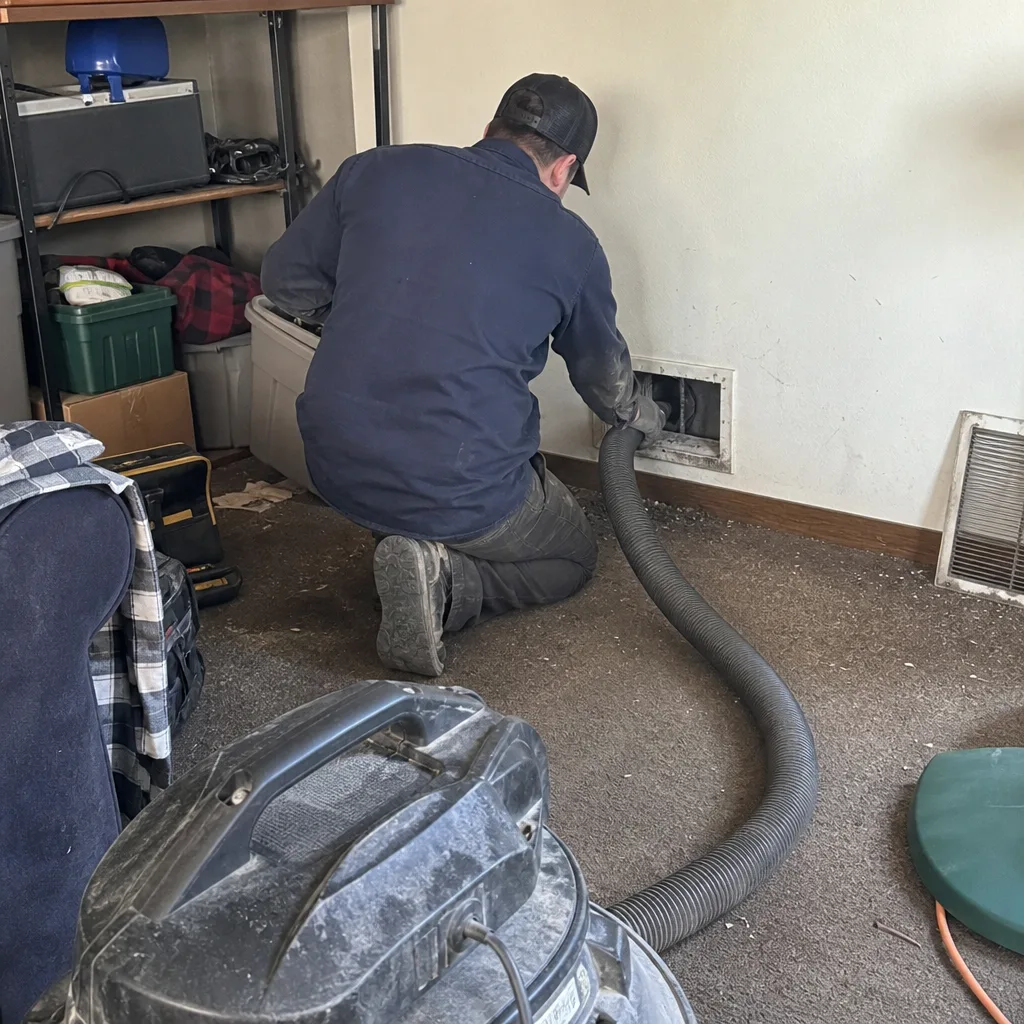 Before
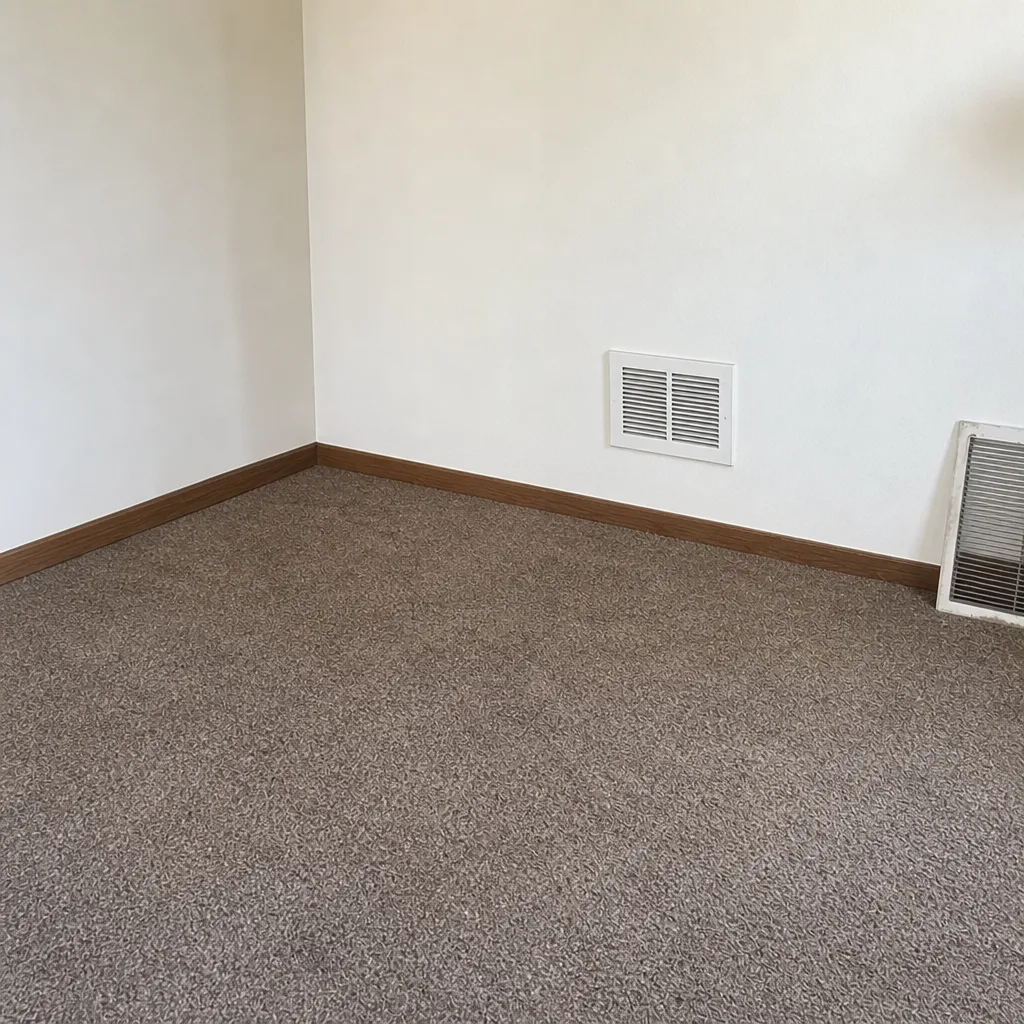 After
When to Call a Professional
Call a professional if water rose above a floor register, if a fire sent smoke through the system, or if a storm opened the attic near duct runs. Call if there’s a persistent musty or smoky smell that gets stronger when the blower runs. Call if you see sediment, soot, or pest debris at the registers. In older Fort Wayne homes, where duct systems often run through basements and crawl spaces that stay damp, err on the side of an inspection after any water event. Duct Cleaning Fort Wayne offers free estimates in Fort Wayne. Call (844) 951-3807. We answer 24/7. Fast dispatch from 7am to 7pm, Sunday through Friday. If your call comes outside dispatch hours, it’s booked into the next opening. Our technicians have up to 14 years of experience, and we use Rotobrush and Nikro equipment so you can verify what’s being used in your home.
Frequently Asked Questions
No. Running the system moves contaminated air and sediment into every room, and it pushes moisture through runs in a way that encourages microbial growth. Turn the thermostat off, ventilate with windows and standalone fans, and have the ducts inspected first. If you’re in a Fort Wayne home that took on water, call (844) 951-3807 for an inspection before the system goes back on.
After the restoration work is finished and before the system is run normally. Cleaning before drywall work or debris removal means the ducts are re-contaminated and the job has to be repeated. The order is: fire out, restoration complete, ducts cleaned and treated, then the system comes back on. Call (844) 951-3807 to schedule around your restoration timeline.
Often it does when the cause is a covered peril like fire, wind, or sudden water damage, but coverage depends on your policy. The key is documentation: photos before cleanup, a written scope identifying affected runs, and before-and-after photos of your own ducts. We provide that documentation as part of the job. Call (844) 951-3807 to talk through your situation.
Scope and equipment. Emergency work adds contamination assessment, containment and negative pressure, HEPA filtration, antimicrobial treatment with products like Abatement Technologies and Guardsman, and structural duct repair where it’s needed. Routine cleaning removes normal dust buildup from a system that hasn’t been compromised. Call (844) 951-3807 for a free estimate based on your situation.
Often yes, because the damage is usually in the attic or crawl space, not at the register. A disconnected flex run or a crushed section after a wind event pulls attic air into the living space and won’t show up in a room-by-room walk-through. If a storm opened the roof or soffit near your duct runs, get the system inspected. Call (844) 951-3807 for a free estimate.
With us, yes. Structural duct repair is part of the service, which matters after a flood, fire, or storm because the damage is often why the contamination happened. Cleaning without repair leaves the source in place. Cleaning, repair, and air-quality improvement in one scope means one provider, one record, and no gap where the contamination can come back. Call (844) 951-3807.
The Bottom Line
After a flood, fire, or severe storm in Fort Wayne, the duct system is the part of the house most likely to be overlooked and most likely to spread the damage. Keep the HVAC off until the ducts are inspected. Document everything before cleanup starts. Treat the work as one scope: clean it, repair it, protect it. Emergency cleaning is not routine cleaning, and the documentation is as important as the treatment if there’s an insurance claim involved. Our team works across Fort Wayne with the equipment and the repair capability to handle all three steps. Call (844) 951-3807 for a free estimate.
Written by the team at Duct Cleaning Fort Wayne.