
Last updated November 15, 2026
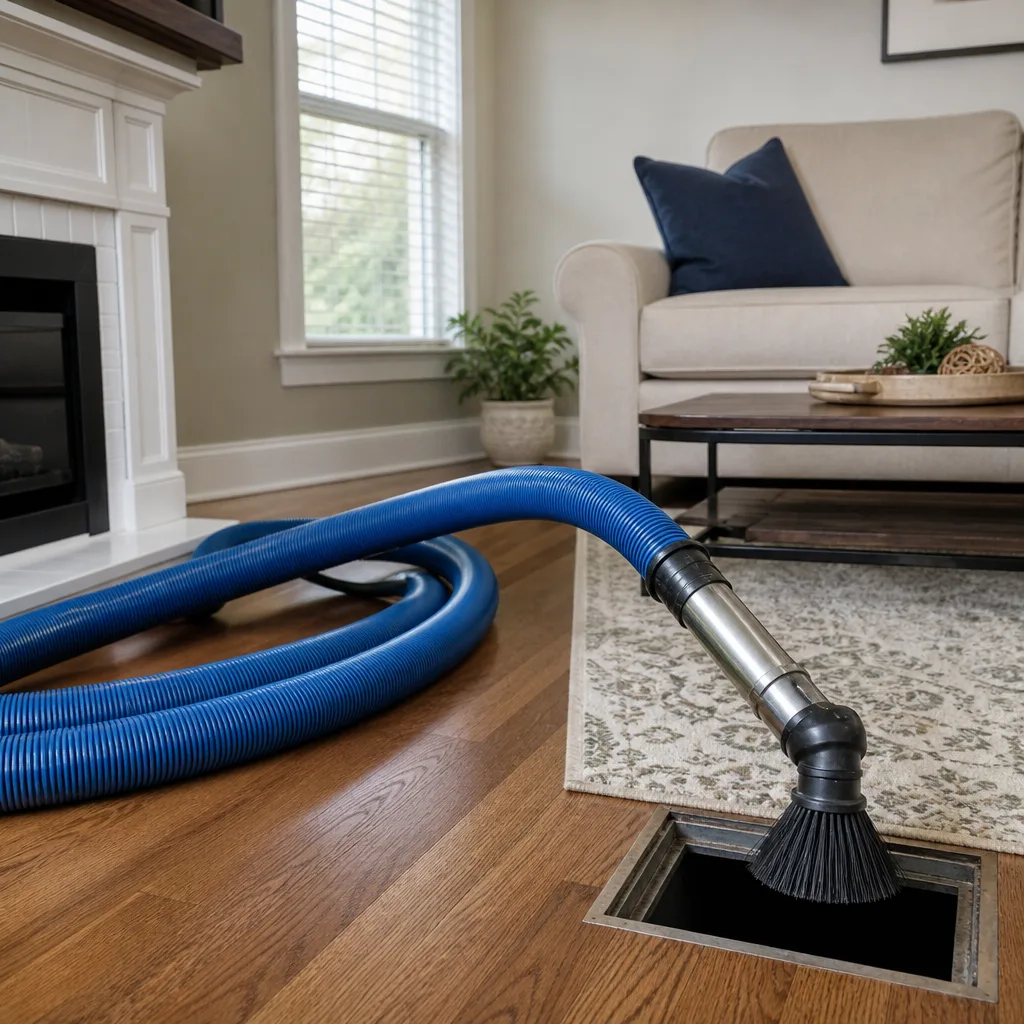 Whole-home duct cleaning
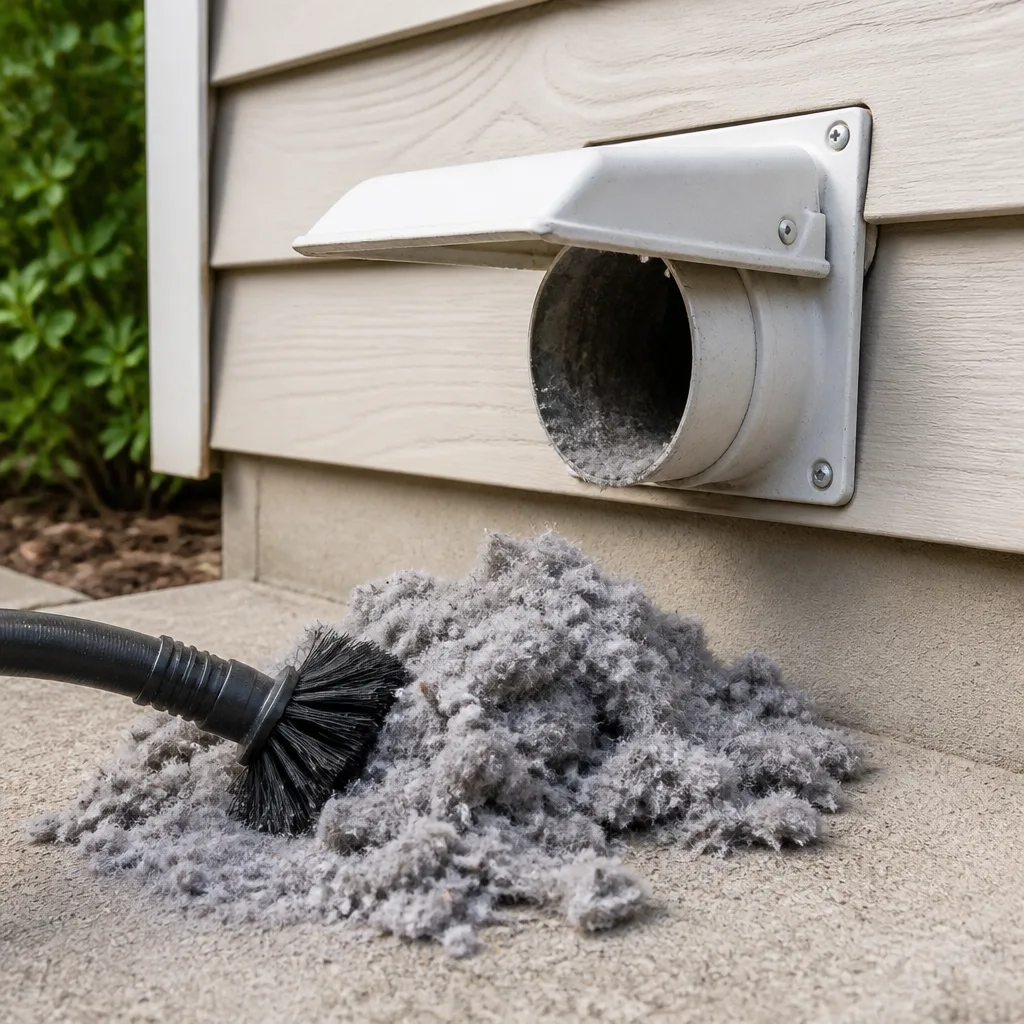 Dryer vent cleaning
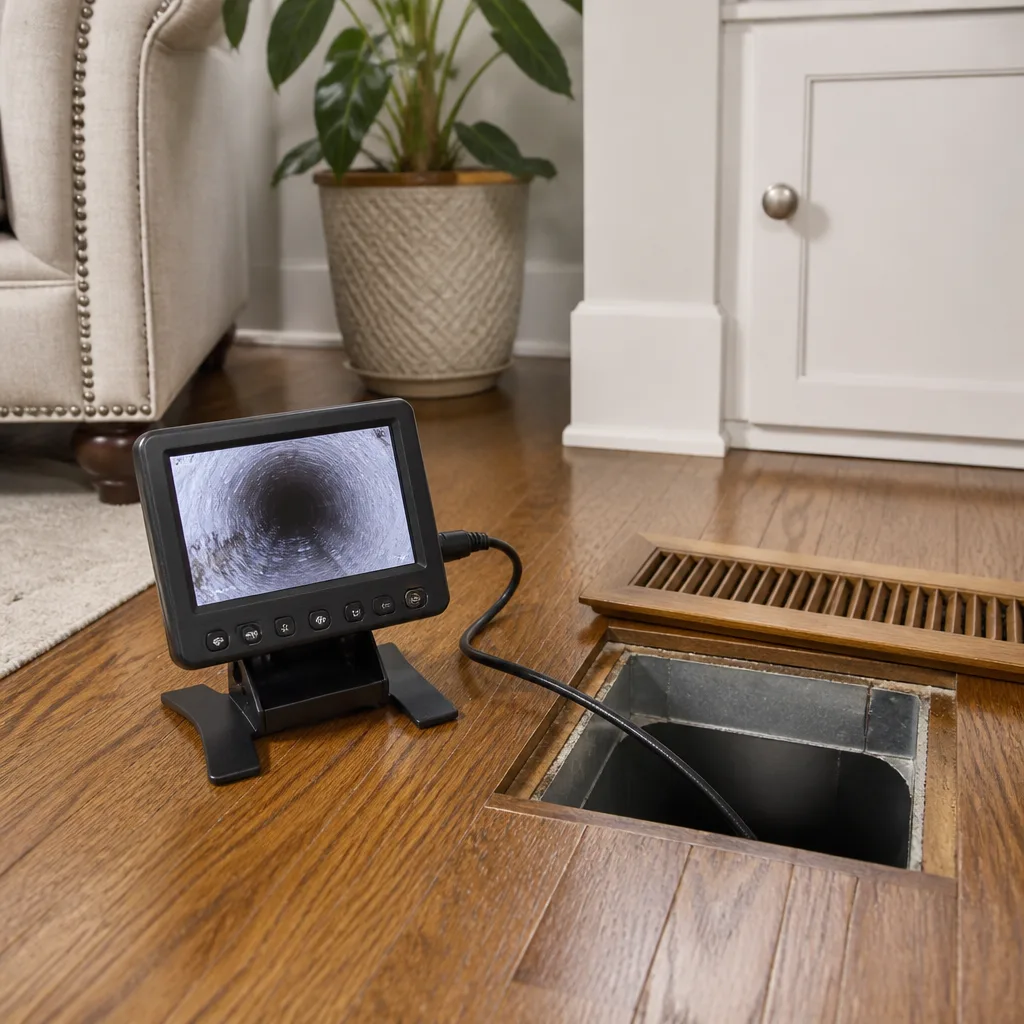 Camera inspection
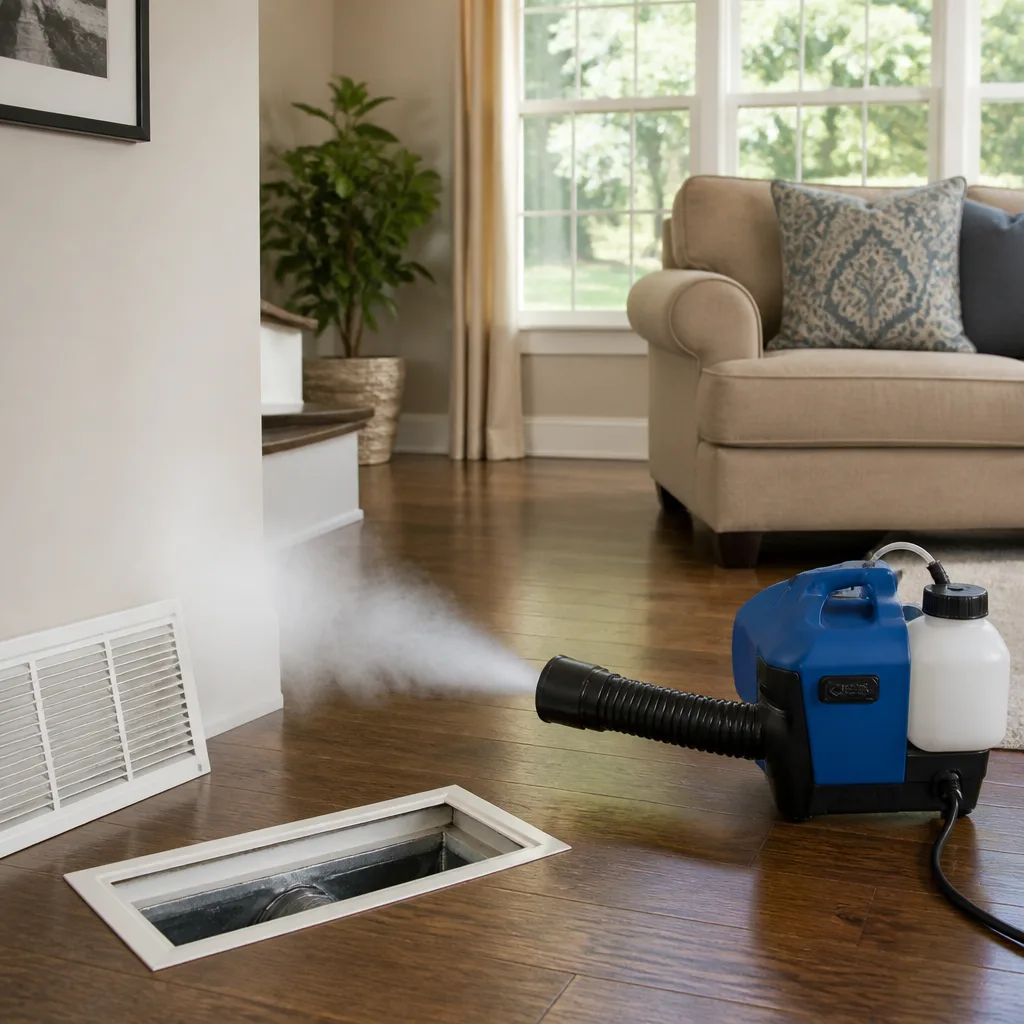 Sanitizing & deodorizing
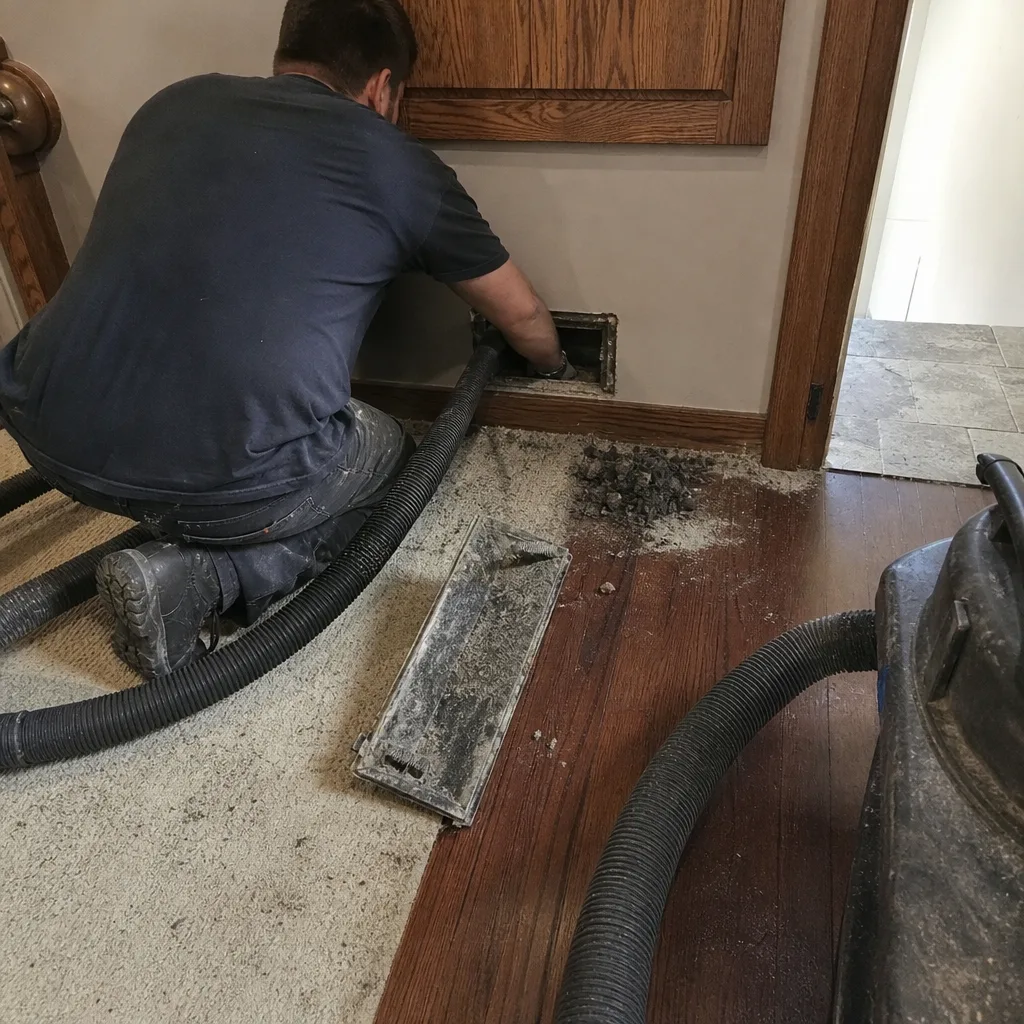
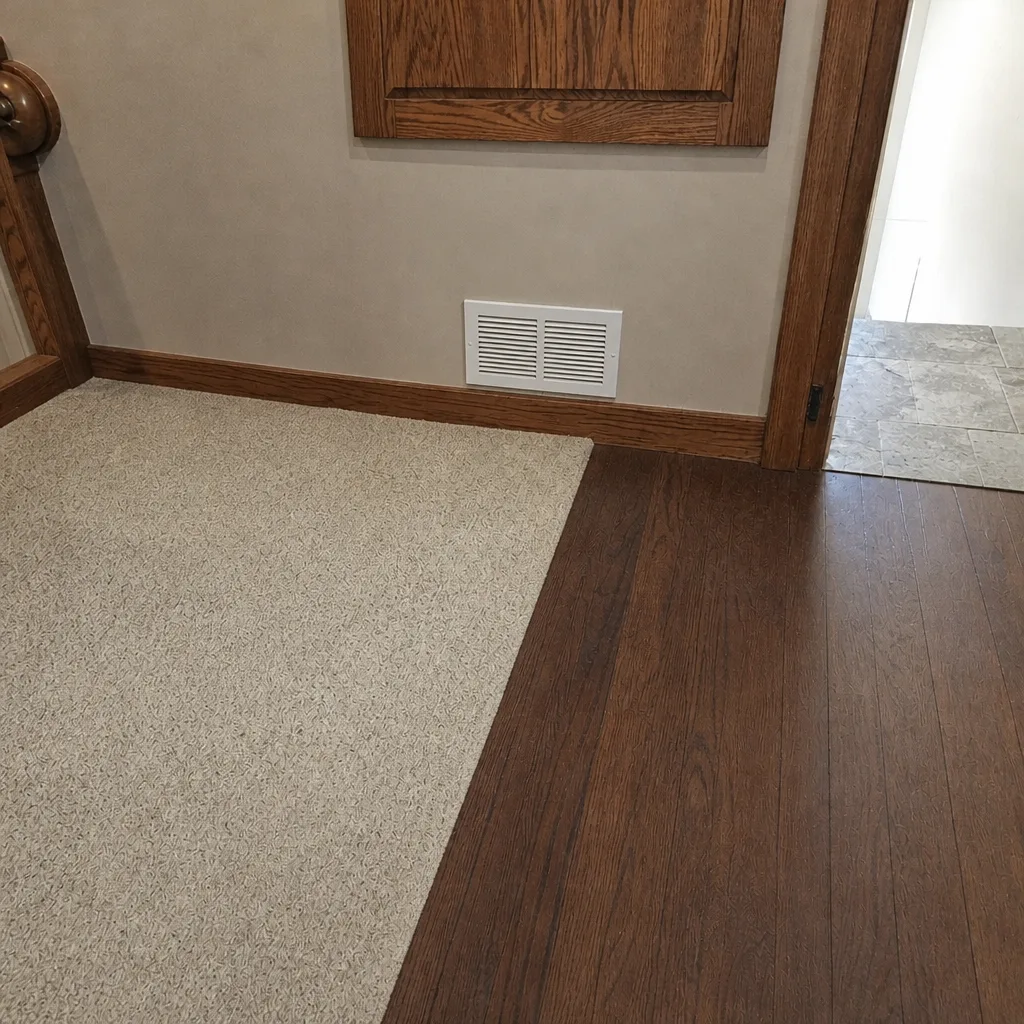
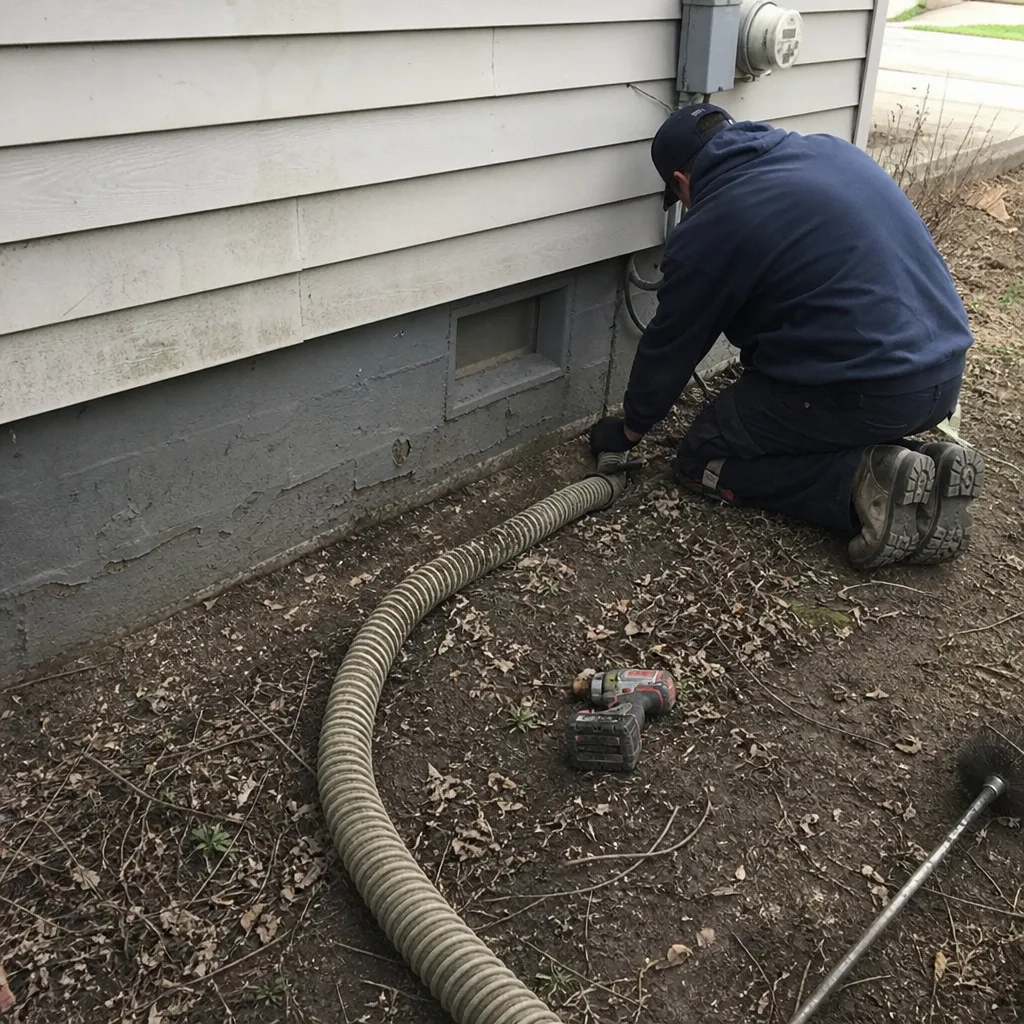
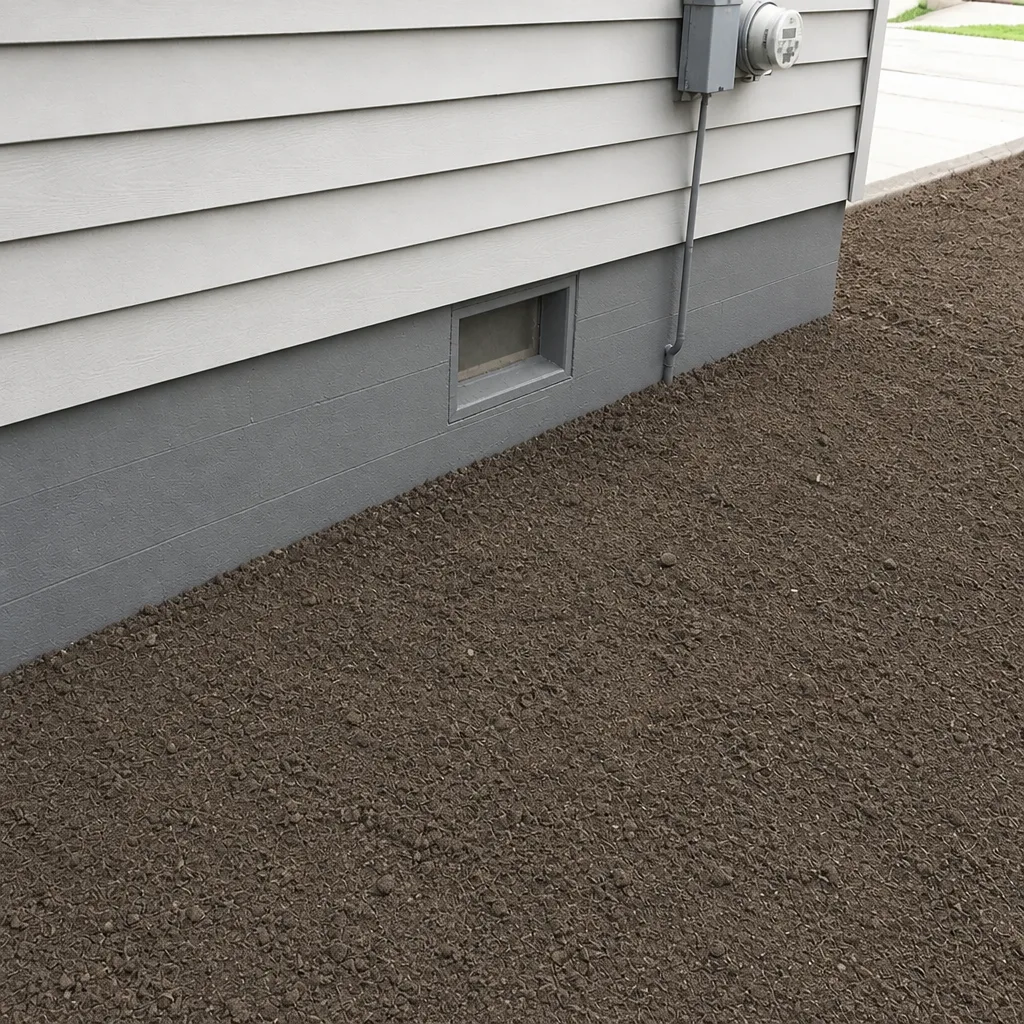
Whole-system duct and dryer vent check with before-and-after photos - you see exactly what came out of your vents
That "$99 whole-house special" is a bait ad - the real number appears once they are in your hallway, or the "clean" is a shop-vac at the register. We photograph the inside of your ducts before and after instead.
Choosing the Right Air Duct Cleaning Brand: A Buyer’s Guide for Fort Wayne
Most homeowners in Fort Wayne shop for duct cleaning the way they shop for a furnace: find a name they recognize, compare a couple of quotes, and pick one. There’s a problem with that approach. An HVAC equipment brand publishes its specs – you can look up efficiency ratings, model numbers, and sound levels. A duct cleaning “brand” tells you almost nothing. The name on the van says nothing about what equipment is inside it, how the technicians were trained, whether the dryer vent is in scope, or whether a damaged duct section gets repaired or just swept around. A national franchise with a glossy logo can show up with a portable shop vacuum, while a smaller independent outfit can arrive with contractor-grade machinery and a written scope. In our experience working in Fort Wayne, the gap between those two visits is enormous.
This guide is built to fix that gap. It gives you a set of operational questions that reveal real capability instead of reputation, explains how to read a quote before you compare the bottom line, and lays out what a properly documented job should look like from start to finish. You’ll finish with a framework you can apply to any provider in Fort Wayne, including us.
Quick Answer
The best way to choose an air duct cleaning company in Fort Wayne is to evaluate the process, not the brand name: ask what equipment they use (Rotobrush and Nikro are the contractor-grade standard), whether they repair damaged ducts as well as clean them, whether dryer vent cleaning is a real service or an add-on, and how they document the work with before-and-after photos. A provider that answers those questions with specifics is a safer bet than a familiar logo with a vague answer.
Styles & brands we work with
- Whole-home duct cleaning
- Dryer vent cleaning
- Camera inspection
- Sanitizing & deodorizing
Table of Contents
- Why the “Brand” Label Tells You So Little
- What a Franchise Standardizes – and What It Doesn’t
- Four Operational Signals That Outrank Brand Name
- Equipment: The Question That Reveals the Most
- Scope: Is Duct Repair Part of the Job?
- Indoor-Air Specialists vs. Generalists in the Duct Space
- Why a Capable Local Provider Often Wins
- Eight Questions to Ask Before You Book
Why the “Brand” Label Tells You So Little
If you look up a duct cleaning company in Fort Wayne, you’ll find plenty of names. Most of them are marketing brands built on a website and a van wrap, not on a published operational standard. That’s not a knock on any particular company – it’s just how this trade works. Unlike plumbing or electrical work, duct cleaning is not uniformly licensed in a way that guarantees a baseline of equipment or training. The result is a wide range of service quality under a wide range of labels, and the label itself is a poor filter.
Here’s the practical version. Two companies can both call themselves “professional air duct cleaning companies in Fort Wayne” and mean very different things. One runs a truck-mounted or portable contractor-grade system that creates source-side vacuum and agitation to pull debris loose and carry it out of the system. The other runs a shop vacuum that lifts little more than loose dust near the registers. Both charge money. Both say they cleaned your ducts. Only one actually did.
A brand name doesn’t help you tell them apart, because the brand is a marketing asset, not a spec sheet. What does help is knowing which operational details separate a real clean from a cosmetic one, and then asking about them directly. That’s the rest of this guide.
You can see the difference a properly specified clean makes when the whole system is in view – which is exactly what’s covered on our air duct cleaning service page.
What a Franchise Standardizes – and What It Doesn’t
The franchise model has one big strength in most trades: it standardizes the parts of a business that are hardest to get right – uniforms, branding, a scheduling call center, accounting, and a household-name look. For a home service like plumbing, where the underlying skill is broadly similar and the work is visible, that standardization is genuinely useful. Duct cleaning is different, because the franchise recipe often does not specify the things that actually determine the outcome.
What a duct cleaning franchise typically standardizes:
- Marketing and the look of the brand
- A booking process and customer service script
- A general service menu, often including a single-price “whole-home cleaning”
- Software, uniforms, and job-tracking systems
What it typically does not standardize:
- The class of equipment the local operator brings to the job
- The specific technician training and certification level
- Whether duct repair is offered, and how it’s priced
- Documentation – before-and-after photos of your own system
That gap matters in Fort Wayne because the local operator, not the national brand, decides what equipment is on the truck and how much of the system the visit covers. A franchise gives you a standardized logo; it doesn’t give you a standardized clean. The brand is the same everywhere, but the actual work depends entirely on the person who shows up and the machine they wheel in.
That’s the core misconception this guide is trying to correct: a recognizable name is not a quality signal in this category. The quality signal is in the process, and the process is local.
Four Operational Signals That Outrank Brand Name
If brand recognition doesn’t tell you what you need to know, what does? In our experience, four operational details separate a credible duct cleaning provider from a questionable one far more reliably than any logo. You can ask about all four on the phone before you ever book.
- Equipment class. Does the provider run contractor-grade equipment (Rotobrush or Nikro are the names to ask about) or a portable consumer unit? This is the single biggest predictor of whether the clean will actually remove the contamination sitting in your duct runs.
- Technician competence and certification. Ask what training the technicians have and how long they’ve been doing this work. Experience is more meaningful than a certificate alone, and a provider who can speak to both is showing you they take it seriously. Our own technicians have up to 14 years of experience.
- Scope documentation. Does the quote spell out exactly what’s covered – number of supply and return runs, registers, plenum, and whether the dryer vent is included or separate? A one-line quote is a red flag, whatever the brand.
- Post-service verification. Will you get before-and-after photos of your own system, and will the technician walk you through what was found? Verification is what closes the loop between “we cleaned your ducts” and proof that it happened.
None of these require you to research a brand. They require you to ask four questions and listen for specifics. A provider who can answer all four with confidence is a safer choice than a familiar name that deflects. And a provider who can’t answer them is telling you something, too.
Equipment: The Question That Reveals the Most
If you only ask one question, make it this one: what equipment do you use? The answer tells you more about service quality than any other detail, because the machine determines what the clean can and cannot accomplish.
Air duct cleaning works by creating a controlled flow of air through the duct system while a source of agitation loosens the debris. At the register, you’re putting dust and contamination back into the air stream in your home; at the collector, you’re capturing it and removing it from the system. Contractor-grade equipment – the Rotobrush and Nikro systems used widely by commercial and residential contract work – is built to generate that loop reliably across a whole home’s duct runs. Portable consumer units struggle with it: they lack the airflow and filtration to move and capture contamination across long runs, so the clean ends up surface-level near the registers and leaves the rest of the system untouched.
A couple of things worth knowing when you ask:
- A provider should be able to name their equipment, and ideally name the brands. We name ours so you can verify them.
- The equipment should be paired with containment and negative pressure, so debris doesn’t redeposit in your living space.
- The machine must be able to reach the far ends of your duct runs, not just the register in the room you’re standing in.
Here’s the credibility check that separates serious providers: their willingness to get specific. A technician who can explain why a Rotobrush is better suited to your layout than a portable unit, or how the Nikro system handles a longer run, has real command of the work. A provider who waves the question off (“we use the best equipment”) is telling you they’d rather talk about a coupon than a spec. In this trade, the spec is the service.
For an honest comparison of the two classes of equipment in plain terms, and what a real clean includes, our guide to the Duct Cleaning Fort Wayne process lays out the sequence.
Scope: Is Duct Repair Part of the Job?
Most duct cleaning quotes cover cleaning and stop there. That’s a real limitation, because a meaningful share of homes have duct problems that cleaning alone doesn’t fix. Disconnected flex line in the attic. Crushed or pinched runs behind drywall. Loose seams bleeding conditioned air into a crawl space. A collapsed return. If a provider cleans around those problems, the system still leaks, still pulls in unfiltered air, and the clean is only surface-deep by design.
Duct repair addresses the root cause: air leaks and structural damage that let contamination in and let conditioned air out. The difference between clean-only and clean-plus-repair is the difference between cleaning a room and fixing the hole in its wall.
How to evaluate whether a provider actually offers repair, and not just a mention of it:
- Ask whether they offer structural duct repair (not just cleaning) and can describe what that covers.
- Ask what happens if the technician finds a disconnected or damaged run during the visit – is it repaired, documented, or ignored?
- Ask whether repair is quoted separately, with its own written scope, or folded vaguely into the cleaning price.
- Ask whether they can install air-quality equipment after the clean, since a clean-plus-protect approach depends on a sound duct system.
We pair cleaning with structural duct repair precisely because the two belong together. That’s the difference between cleaning, repair, and protection under one provider and juggling three vendors who each blame the other. It’s also why asking the scope question is a better filter than comparing brand names: a provider who can only clean has a real ceiling on what they can fix.
When the dryer vent is part of the conversation – and it should be – the same logic applies. A proper dryer vent cleaning is a dedicated service, not a quick add-on after the duct work.
Indoor-Air Specialists vs. Generalists in the Duct Space
A lot of companies offer duct cleaning as one line on a long menu. Carpet cleaners, chimney sweeps, restoration firms, and general handyman services each sometimes add duct cleaning as an upsell. That’s not automatically a problem, but it does mean the duct work is often handled with less equipment and less depth than a specialist brings – the generalist’s business model isn’t built around duct systems, so the duct service tends to be thin.
The specific questions that separate a true indoor-air specialist from a generalist:
- Do they offer all three parts of the job? Clean, repair, protect. A generalist usually covers clean and stops.
- Can they install recognized air-quality equipment? Brands like Honeywell and Aprilaire are widely trusted in filtration and humidity control. A provider who can source and install them is set up to improve your air after the clean, not just during it.
- Do they carry contamination-control products? Abatement Technologies and Guardsman are used for contamination control and post-clean treatment. A specialist will know them and know when to use them.
- Do they handle dryer vents as a dedicated job? A dryer vent is a fire-safety issue and deserves a real service, not a two-minute sweep at the end of a duct visit.
- Can they describe the full system? Supply and return runs, plenum, registers, and the equipment that moves air through them. A specialist speaks the system; a generalist speaks the menu.
The pattern is simple: specialists talk about systems, generalists talk about prices. If a company can walk you through cleaning, repair, and protection as one coherent scope, they’re operating at a different level than someone who can only sell a one-price visit. That’s the standard we hold ourselves to, and it’s the standard worth holding any Fort Wayne provider to.
Why a Capable Local Provider Often Wins
The intuition that a national brand must be better – more resources, more training, more accountability – doesn’t hold up in this category. A national brand’s advantage is in marketing and systems, not necessarily in the equipment or the scope delivered to your door. A capable independent local provider in Fort Wayne can often outperform the lower-spec standardized kit precisely because they own the equipment choice and the scope.
Here’s what a strong local provider can offer that a national brand’s standardized service often doesn’t:
- Contractor-grade equipment as the default. Rotobrush and Nikro systems are the standard in commercial contract work. A local provider can run them on every job because they own the decision.
- Repair capability on the same visit. A national brand’s standardized clean rarely includes structural duct repair. A local provider who’s built around duct systems can fix what they find instead of leaving it.
- A dryer vent service that’s a real service. Not a tacked-on upsell, but a dedicated visit with the right scope.
- Accountability close to home. When the person who runs the equipment is the person who runs the company, there’s no distance between you and the standard.
We’re not suggesting every local company is automatically better – a lot of them are generalists with a van and a shop vacuum. The point isn’t “local good, national bad.” The point is that the evaluation has to be operational, not reputational, and operational evaluation tends to favor the provider who owns the equipment decision. For a deeper look at what a proper clean involves in this city, our Fort Wayne page walks through the local side of it.
Eight Questions to Ask Before You Book
You don’t need to become an HVAC technician to vet a duct cleaning provider. You need a short list of questions and the judgment to hear the difference between a specific answer and a vague one. Here’s the list we’d use if we were hiring someone to clean our own homes.
- What equipment do you use? Listen for brands. Rotobrush and Nikro are contractor-grade; a shop vacuum is not.
- How is the job documented? Before-and-after photos of your own system are the standard to expect.
- Is the whole system in scope, or just the registers? Supply runs, return runs, and plenum should all be covered.
- Do you offer structural duct repair? If not, cleaning alone may leave the root cause in place.
- Is the dryer vent a separate service? It should be, and it should be scoped on its own.
- How long have your technicians been doing this work? Experience shows up in how they handle the layout of your specific home.
- What’s the written estimate, and what does it cover? The written estimate should set the price per job, not a per-register figure that grows once the technician is on site.
- Are you licensed and insured? Confirm it, and ask whether the work is covered by a satisfaction guarantee.
A provider who fields all eight with specifics is a safer bet. A provider who’s vague on equipment and scope is a risk regardless of the name on the van. That’s the whole framework in one list.
Common Mistakes to Avoid
- Choosing on brand familiarity alone. A recognizable logo tells you nothing about the equipment inside the van. Ask about Rotobrush or Nikro first and evaluate from there.
- Comparing quotes by bottom line only. Two quotes that read “whole-home duct cleaning” can cover wildly different scopes. The cheaper one may be cleaning fewer runs, skipping the plenum, or leaving the dryer vent out entirely. Compare what’s included, not what’s listed.
- Ignoring duct repair as part of the job. A clean-only visit leaves disconnected or crushed runs unfixed. If a provider doesn’t offer repair, the system may still leak after the visit – the root cause hasn’t been touched.
- Treating the dryer vent as a bonus. A dryer vent is a fire-safety component and deserves a dedicated service. If a company mentions it only as an add-on after the duct work, ask whether they actually scope it properly.
- Booking on a teaser price. A very low advertised number that grows once the technician is on site is a well-known pattern in this trade. Ask for the whole-system estimate before you book.
- Skipping the documentation question. Without before-and-after photos of your own system, you have no way to confirm the work was done. That’s a reasonable thing to want.
- Overlooking the climate reality of an older Fort Wayne home. Homes with long duct runs through attic and crawl spaces, and older homes with original metal duct systems, tend to have more seams to seal and more points to check. Ask whether the provider is set up for your layout, not just for the average.
See the difference
 Before
 After
 Before
 After
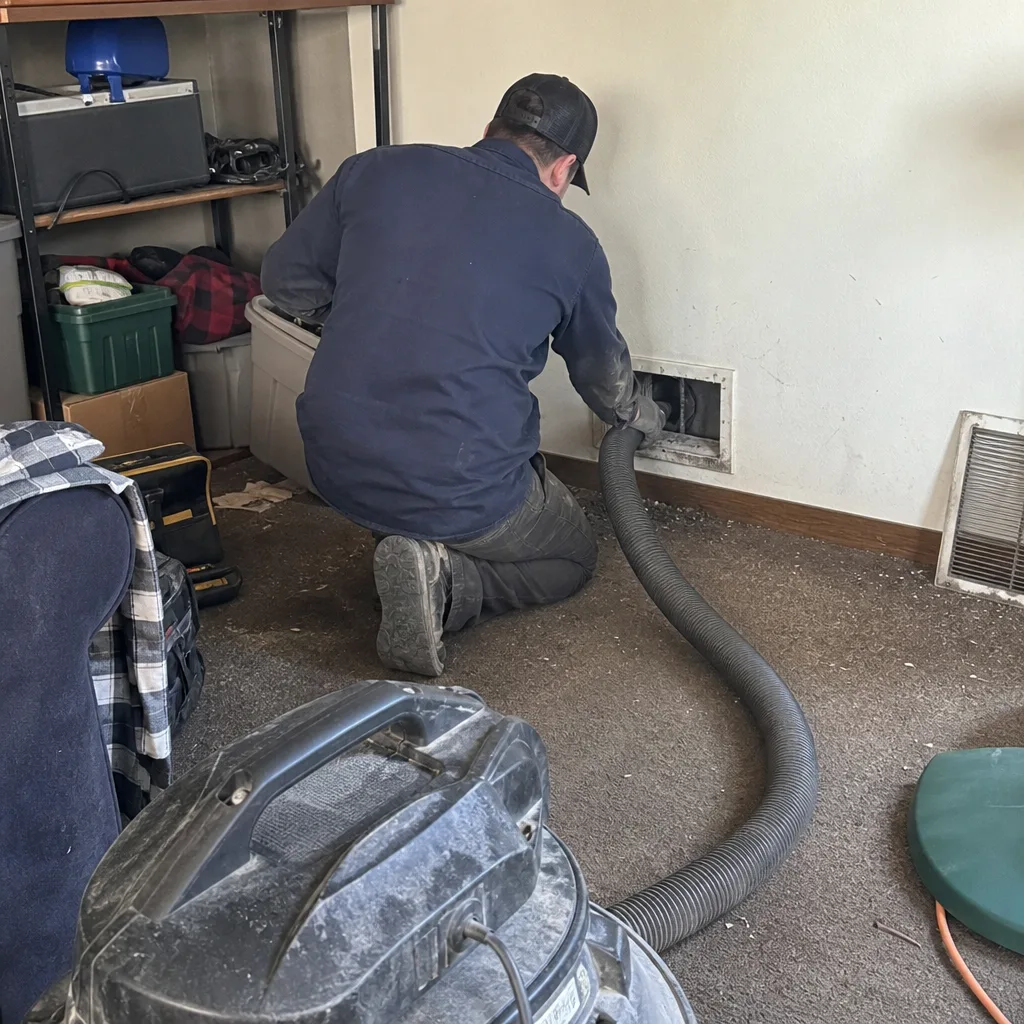 Before
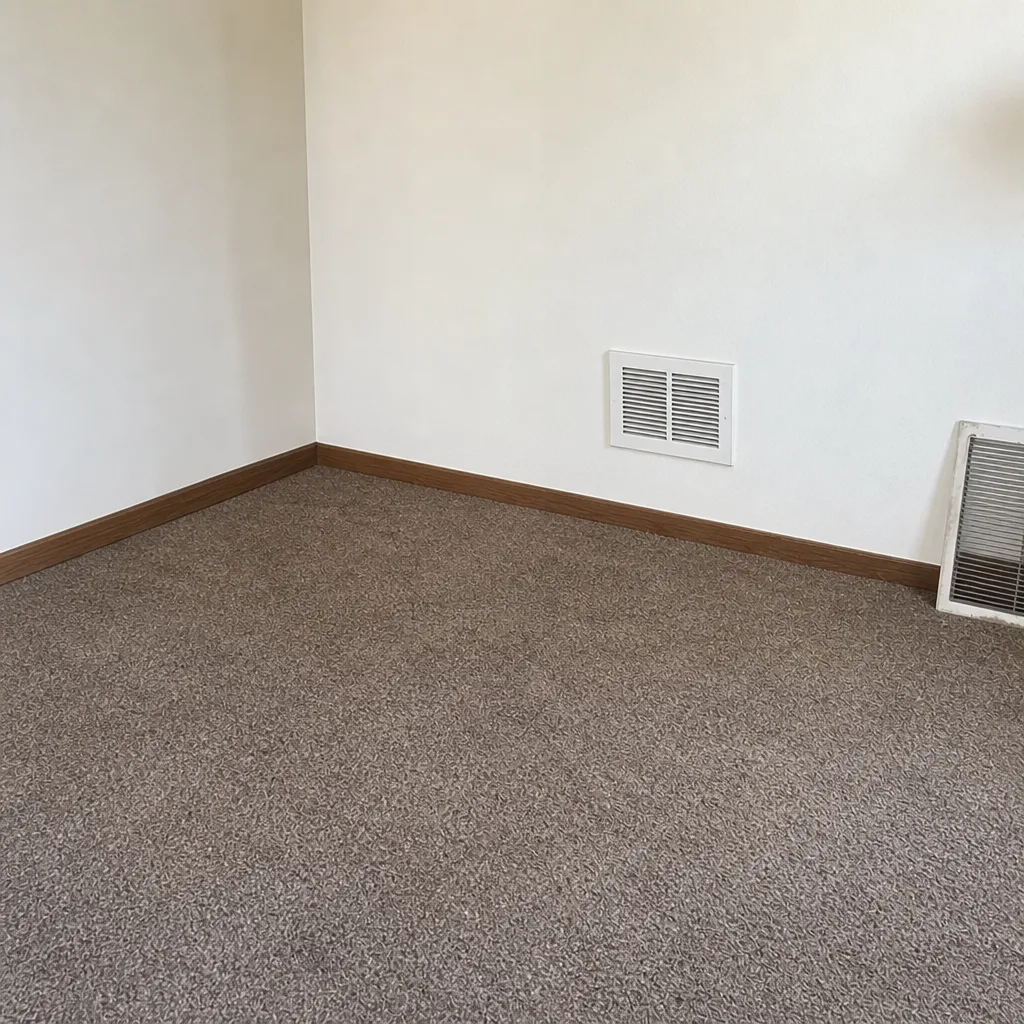 After
When to Call a Professional
Not every home needs duct cleaning on a schedule. Some homes need it badly and some can go a long time between visits. The situations that call for a professional inspection and clean are fairly specific: visible dust or debris blowing out of registers when the system starts; a recent renovation or construction project that left drywall dust in the air; persistent allergy or respiratory symptoms that seem worse indoors; pets in the home on a regular basis; a move into a home where the duct history is unknown; or a dryer that’s taking noticeably longer to dry clothes, which points toward a vent restriction. If any of those apply, a visit with contractor-grade equipment and a written estimate is the right next step. Our Duct Cleaning Fort Wayne team offers free estimates in Fort Wayne – call (844) 951-3807. We answer 24/7. Fast dispatch from 7am to 7pm, Sunday through Friday.
Frequently Asked Questions
Air duct cleaning in Fort Wayne is priced per whole system, not per vent. The written estimate you receive sets the final price, and it should spell out exactly what’s covered – supply and return runs, plenum, registers, and whether the dryer vent is a separate visit. We give a flat price per system agreed before work starts, with before-and-after photos of your own ducts so you can see the work. Call (844) 951-3807 for a free estimate.
A very low quote usually means a narrower scope or lower-spec equipment – cleaning fewer runs, skipping the plenum, or using a portable unit instead of contractor-grade equipment like a Rotobrush or Nikro system. When the scope and equipment match, the quotes should be in the same range. The way to compare fairly is to ask what’s included before you compare the bottom line. Call (844) 951-3807 for an exact quote on your system.
Ask for before-and-after photos of your own duct system, and ask the technician to walk you through what was found. Documentation is the standard to expect from any provider. A clean with no verification is a promise, not a result. If a company can’t tell you how the job will be documented, that’s a signal worth heeding. Call (844) 951-3807 and we’ll explain how we document a visit before you book.
For most homes, the honest answer is that it depends on conditions rather than on a fixed clock – pets, recent renovation, allergy concerns, and visible debris at the registers all push the need up. Rather than a schedule, use the visible signals: dust blowing from registers when the system starts, or a recent construction project. If any of those apply, it’s worth an inspection. Call (844) 951-3807 for a free estimate.
Yes – dryer vent cleaning is a dedicated service, not an add-on. The dryer vent is a fire-safety component, and a proper cleaning addresses lint buildup in the full vent run. If your dryer is taking noticeably longer to dry clothes, that’s a signal to have the vent checked. Call (844) 951-3807 to book an estimate.
We offer structural duct repair alongside cleaning, which most duct cleaning companies don’t. Disconnected flex runs, crushed sections, and loose seams are common findings, and cleaning around them leaves the root cause in place. If a repair is needed, we quote it separately with its own written scope so you know what’s being fixed. Call (844) 951-3807 to talk through your system.
The Bottom Line
The right air duct cleaning provider in Fort Wayne is not the one with the most recognizable logo – it’s the one whose process you can verify. Check the equipment class, the technician experience, the scope documentation, and the post-service photos. A provider who can name their equipment and explain why, who offers duct repair as part of the job instead of stopping at cleaning, and who treats the dryer vent as a real service, is operating at a different level than a generalist with a van. We built our Fort Wayne service around that framework: contractor-grade Rotobrush and Nikro equipment, a full clean-repair-protect scope, recognized air-quality brands like Honeywell and Aprilaire, and a written estimate per system agreed before work starts. We answer 24/7. Fast dispatch from 7am to 7pm, Sunday through Friday. Call (844) 951-3807 for a free estimate.
Written by the team at Duct Cleaning Fort Wayne.